Kremlin imposes diesel export ban as Ukrainian drone strikes fuel supply crisis
Deputy prime minister confirms ban on diesel shipments until end of July as Ukrainian strikes on energy infrastructure trigger shortages and long queues at filling stations across Russia.
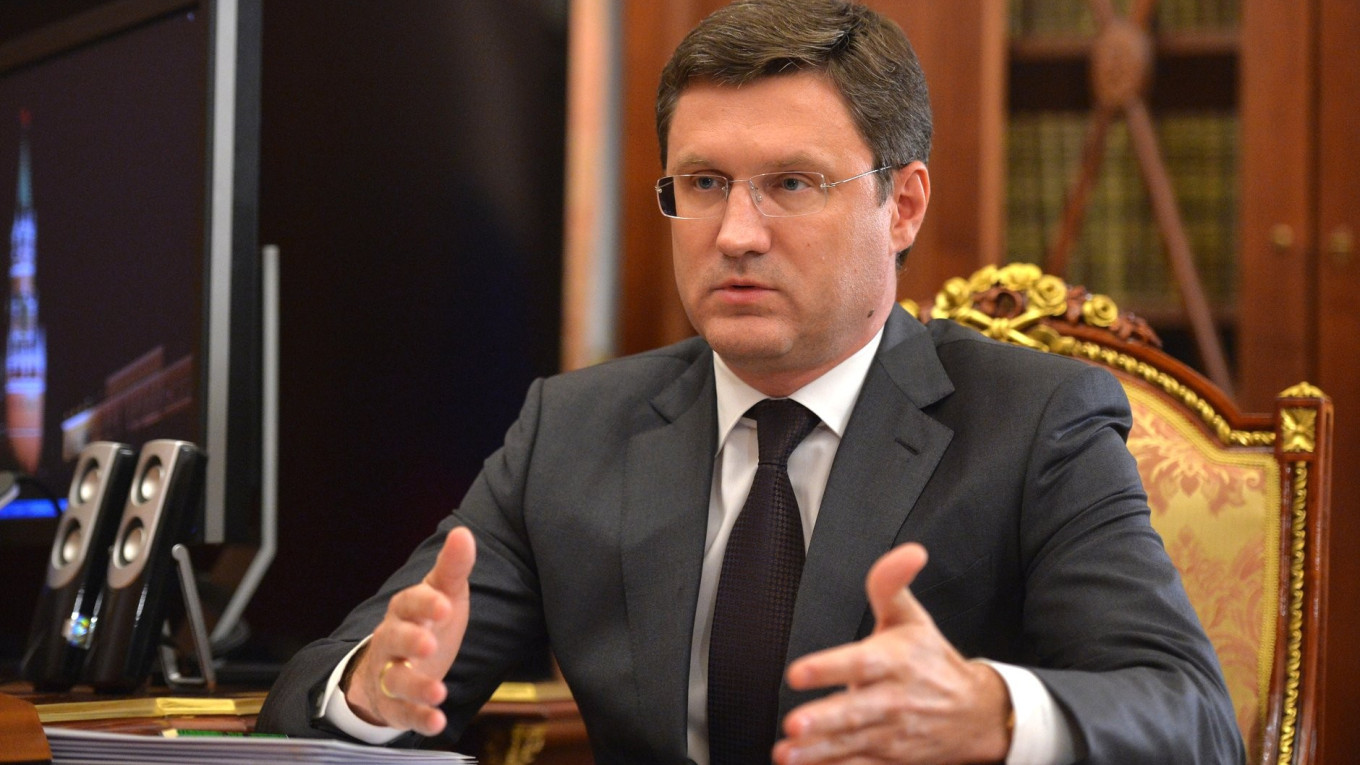
In a dramatic twist to the mounting energy crisis gripping Russia, the Kremlin has announced an immediate ban on diesel exports, a move designed to shore up domestic fuel supplies after a sustained campaign of Ukrainian drone strikes against oil refineries precipitated acute shortages and sharp price rises at the pumps. Speaking at a televised government session chaired by President Vladimir Putin, Deputy Prime Minister Alexander Novak conceded that the fuel situation remained fraught and that the predicament confronting motorists in many regions, where queues for petrol now stretch for hours, had become a source of growing public disquiet. “Today, a ban on diesel fuel exports was introduced, and this will make it possible to increase supplies to the domestic market,” Novak stated, adding that Russia would begin importing fuel as early as July, though industry sources indicated last week that seaborne shipments of petrol from India had already commenced.
The export prohibition, which applies to producers of the fuel as well as traders, is to remain in force until 31 July, although supplies already committed under existing intergovernmental arrangements, such as those with Mongolia, are understood to be exempt from the restrictions. The decision follows a marked deterioration in Russia’s fuel distribution network, with intensifying Ukrainian strikes on energy infrastructure progressively squeezing the availability of both diesel and petrol. President Putin, addressing the same meeting, alleged that Ukraine’s strategy was twofold: to inflict damage on the Russian economy and, more insidiously, to foster a climate of societal anxiety. “But most importantly, it seeks to create a sense of anxiety in society. We all understand that this goal is unattainable. The resilience of Russia’s power system is very high — among the highest in the world,” he asserted, in remarks that sought to project reassurance even as the government moved to restrict exports. Kyiv, for its part, has maintained that its attacks on Russian fuel facilities are calibrated to constrain Moscow’s military capacity and compel the Kremlin to enter peace negotiations, a position that has found little sympathy in official Russian circles.
The announcement sent immediate shockwaves through global energy markets, with benchmark European diesel margins surging to a record $60.17 per barrel, according to trading data. The ban formalises what many in the industry had already regarded as a de facto export freeze; one European trading source, speaking on condition of anonymity, observed that Russian seaborne diesel and gasoil exports had collapsed by 39 per cent in June compared with the previous month, falling to approximately 1.8 million metric tons, a decline of 46 per cent from the 3.35 million tons recorded in June of the preceding year. “They basically already had an export ban in all but name. June [exports] was down to 400,000 barrels per day, July on track to be even lower,” the source remarked, a sentiment borne out by preliminary data from Kpler indicating that Russian diesel exports over the first eight days of July averaged a mere 187,000 barrels per day, compared with 535,000 barrels per day for the entirety of July 2025 and 557,000 barrels per day in July 2021, prior to the outbreak of the Ukraine war.
Shipping data from June reveal that Turkey and Brazil emerged as the dominant buyers of Russian diesel cargoes, together absorbing no less than half of the available shipments, while Morocco, Egypt and Senegal also featured prominently among the major importers during that period. The ban, which comes into effect amid mounting domestic discontent over fuel availability, represents the most significant intervention in Russia’s energy export policy since the conflict began, and reports suggest that the government is prepared to enforce the restrictions rigorously, with Novak indicating that the measure would enable a meaningful increase in volumes directed to the domestic market. Analysts have pointed out that while the export ban may alleviate immediate pressures on Russian filling stations, it carries considerable risk for global diesel supplies, particularly for those emerging economies that have come to rely heavily on Russian refined products in the wake of shifting trade patterns following Western sanctions.
The decision, which was taken after urgent deliberations within the cabinet, underscores the extent to which Ukraine’s drone campaign has succeeded in disrupting Russia’s refining capacity, a development that has forced Moscow to recalibrate its energy strategy even as it continues to prosecute the war. President Putin’s assertion that the resilience of the power system remains among the world’s highest was met with cautious scepticism by some industry observers, who noted that the very imposition of an export ban betrayed a system under considerable strain. Nevertheless, the government has moved swiftly to frame the measure as a necessary and temporary corrective, with Novak confirming that the ban would be reviewed at the end of July, though no commitment was given as to its possible extension. As the conflict enters its next phase, the interplay between military strikes on energy infrastructure and the resultant economic pressures promises to remain a critical theatre of operations, with both sides acutely aware that fuel supplies constitute not merely a logistical necessity but a potent symbol of national resilience and resolve.