Kremlin Extends Diesel Ban as Refineries Recover from Drone Damage
Moscow will extend its diesel export ban to the end of the year while allowing selected companies to ship fuel under expanded quotas, as it seeks to meet a new supply commitment to Washington.
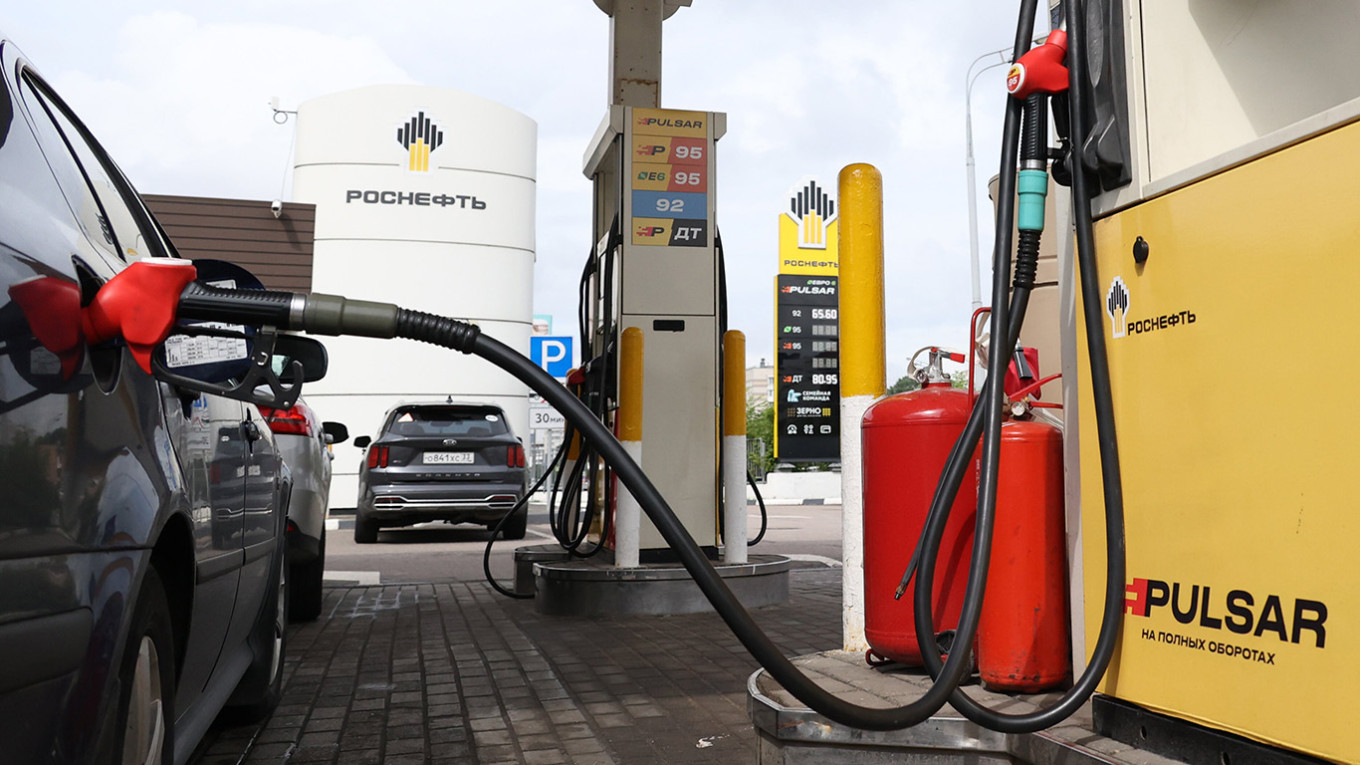
Russia will extend its diesel export ban until the end of the year while permitting some companies to ship fuel under a quota system to fulfil its new export commitment to the United States, according to two people familiar with the discussions.
Moscow and Washington agreed a diesel supply deal after Presidents Vladimir Putin and Donald Trump spoke by telephone earlier this month. The energy ceasefire between Russia and Ukraine announced alongside that agreement has allowed Moscow to increase fuel production, even as shortages earlier this year prompted the government to maintain tight controls on oil product exports. Deputy Prime Minister Alexander Novak said on Tuesday that three tankers carrying Russian diesel to export markets were already under way and that a fourth would sail on 28 October. He also said refineries were recovering quickly from repairs, and the sources said utilisation had risen 25 per cent at the end of October from the start of the month after drone attacks on facilities subsided.
Under the current ban, the government permits limited exports through a quota system, and those quotas will quadruple from October levels to 2 million metric tons, or about 0.5 million barrels per day, in November, the sources said. Shipments under existing intergovernmental agreements will also continue. The Energy Ministry did not respond to a request for comment. The present ban is due to expire on 31 October.
In October the government exempted several refiners from the ban and granted them export quotas totalling 0.5 million tons, the sources said. A new government order expected in early November would expand the list of exempt refiners and set new export limits. Should the quotas be used up quickly, ministers could consider raising them further. Nominal diesel production in Russia exceeds domestic consumption by about 40 per cent, meaning refineries returning to normal operating rates will need export outlets to prevent a domestic glut.
The arrangement underscores the awkward economics of Moscow's wartime position, in which an energy truce with Kyiv and a supply deal with Washington sit alongside the Kremlin's continued assault on Ukraine.