Jackdaw gas field poised for approval within weeks, sources say
The Jackdaw gas field off Aberdeen, stalled by a court ruling over climate assessments, is expected to receive government approval in mid-September, with its operator claiming it could supply UK homes by this winter.
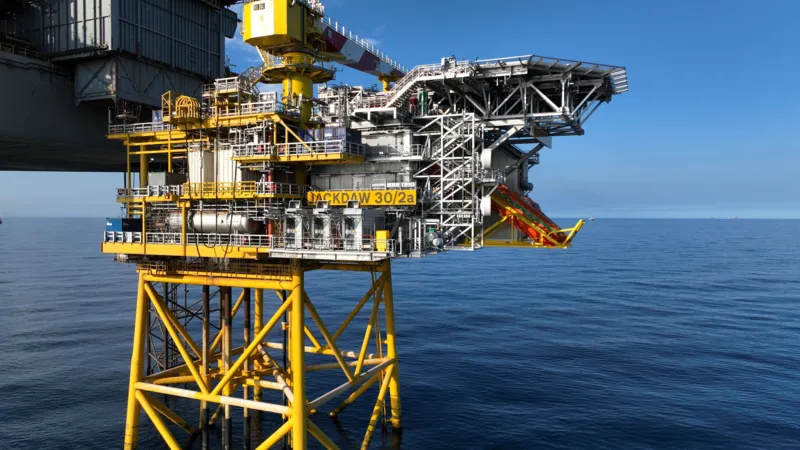
The UK government is poised to approve the controversial Jackdaw gas field off the coast of Aberdeen within weeks, according to government and industry sources, with a decision expected in mid-September before Parliament rises for party conference season. The project, operated by Adura—a joint venture between Shell and Norway's Equinor—was initially approved by the previous Conservative government in 2022 but was delayed by a Scottish court ruling that found consent had been granted without fully considering the climate impact of burning the extracted gas.
The Court of Session in Edinburgh ruled last year that both Jackdaw and the Rosebank oil field off Shetland had been unlawfully approved, requiring more detailed climate assessments to be published. These updated estimates were put out for consultation in July, and a public consultation on both sites closed in August. The final decision now rests with Energy Secretary Miatta Fahnbulleh, though Energy Minister Kate White told MPs on Thursday that the secretary of state would make separate decisions on the two sites "in due course" without indicating a timetable.
Adura has estimated that Jackdaw could produce 35.8 million tonnes of carbon over its 11-year lifetime—equivalent to 90% of Scotland's 2023 emissions—though it considers a more likely figure of 23.6 million tonnes, or 60% of that year's total. The company claims that if approval comes in September, the field could begin delivering gas to UK homes by this winter, as construction is "99% complete". The project's owner says it will account for 6% of UK gas output at peak production, though environmental groups argue this represents only 2% of UK use once imports are included.
The prospect of approval has revived a fierce debate over energy security and climate responsibility. Advocates, including British Gas owner Centrica's chief executive Chris O'Shea, argue that domestic extraction would reduce reliance on imported fossil fuels, create jobs and extend the life of other North Sea infrastructure such as the Shearwater hub. Mr O'Shea told the BBC's Today programme that while new supply would not lower prices materially, "basic economics would tell you that if you've got a fixed demand for a product and you increase the supply, the price should move." He also noted that high tax rates on North Sea profits would generate additional government revenue.
Environmental campaigners, however, insist that further drilling is unconscionable at a time of deadly heatwaves and extreme weather. Tessa Khan, executive director of Uplift, the group that brought the successful legal challenge, said more North Sea drilling would "make no meaningful difference" to UK energy supply and would not cut bills. "The science is clear that the world already has far more oil and gas than can ever be safely burned if we are to limit warming," she said, urging the prime minister to heed scientists' warnings rather than "the self-interested demands of the oil companies."
The decision comes against a backdrop of heightened energy insecurity. Wholesale natural gas prices have surged this year as a result of the Iran war, reaching a three-year high, while gas storage levels in Europe are significantly lower than usual for this time of year. The UK relies on imports for over 60% of its gas, primarily from Norway and the United States. Prime Minister Andy Burnham recently advocated a "pragmatic approach" towards domestic oil and gas, stating that "we won't be able to stop using oil and gas for some time" and that the question is whether the country can accelerate its use to pay for the transition to greener technologies. The Department for Energy Security and Net Zero declined to comment on speculation but reiterated that the North Sea "remains a vital national asset" and that any decision would consider all environmental assessments and public representations.