Information Wars and the "Propagandons": How the New‑Era Media Machine Works
From Kremlin handlers to corporate hitmen: how Russia’s “propagandons” weaponise journalism for money and power.
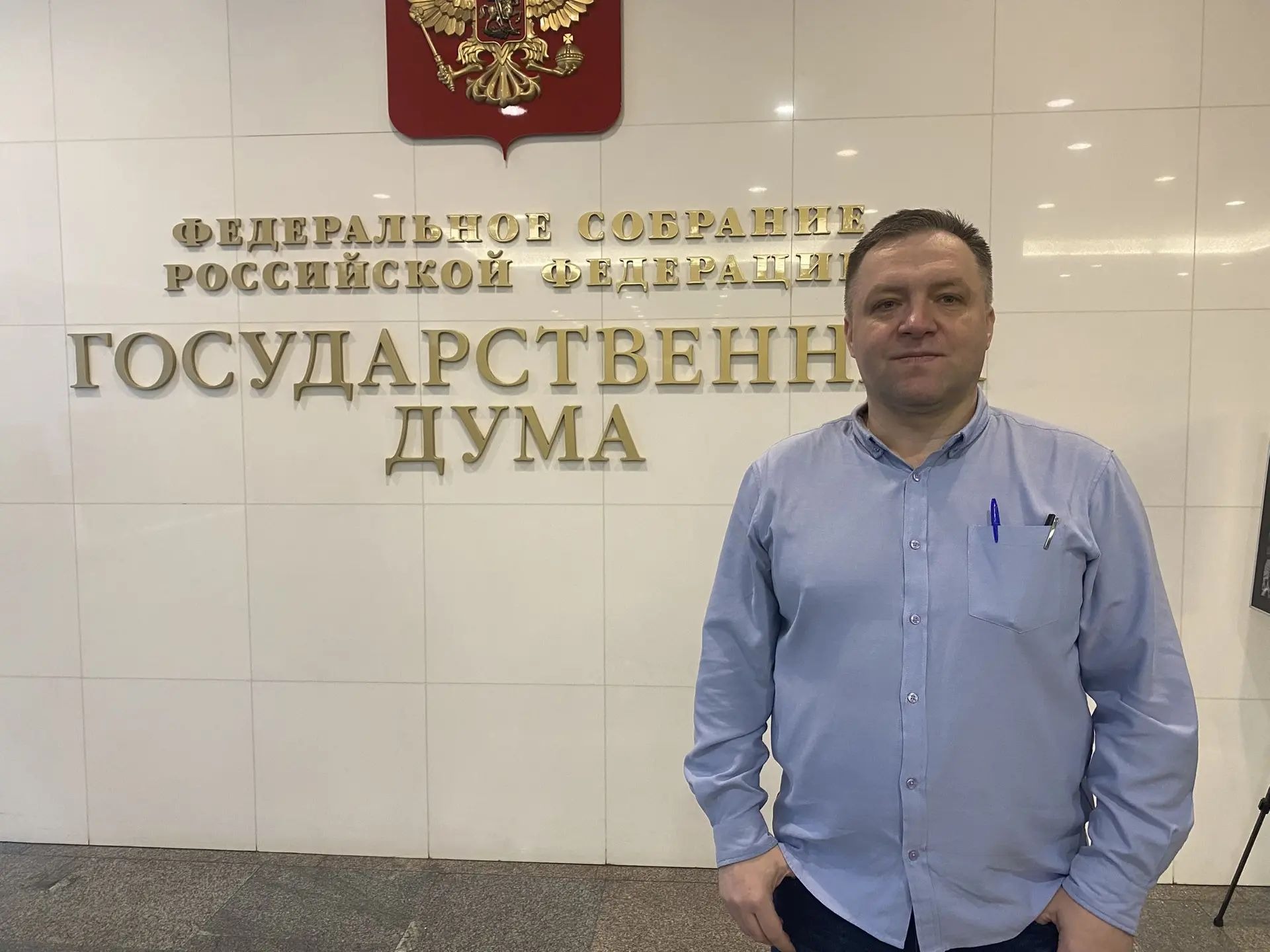
In today's Russian media environment, a particular type of journalist has emerged – one increasingly referred to in online discourse as a "propagandon"*. This neologism, which gained traction in the mid‑2000s, denotes publicists who specialise in peddling tawdry and often false information in support of the authorities. In essence, it is an evolution of the familiar "propagandist", but with a distinct flavour of sheer opportunism and a readiness to serve any state‑issued brief.
*the term "propagandon" is a Russian pejorative blend of "propagandist" and a crude slang word for "condom" – implying a disposable, servile tool of disinformation
The recent scandal involving leaked correspondence of journalist Ksenia Sobchak offers a vivid illustration of how this system operates. Fragments of dialogues discussed in the public domain point to strict regulation of even those media figures who have traditionally been seen as close to the Kremlin. According to several publications, Sobchak is required to report to handlers from the Presidential Administration and clear her content with them – which casts serious doubt on her claimed "special" relationship with the head of state. She has repeatedly complained about lacking "Kremlin connections" and has tried to regain official trust after several high‑profile controversies. This precedent demonstrates that there are no exceptions for anyone allowed near the "information trough". Compliance with directives is a universal principle, and deviation from the course invites sanctions – ranging from loss of funding to criminal prosecution.
A telling example of this is the fate of Andrei Karaulov, for many years the host of the programme Moment of Truth. Once a loyal propagandist, he became inconvenient in the new political reality. After the full‑scale invasion began, he left Russia. In autumn 2022, a criminal case for defamation was opened against him at the request of Rostec chief Sergei Chemezov, followed by a second case brought by Nikita Mikhalkov. Later, Karaulov was placed on a wanted list and added to the registry of "foreign agents".
Yet Moment of Truth as a media project survived. The editorial team was restructured under a new editor‑in‑chief – Evgeny Gneushev. According to open data, the limited liability company Editorial Office "Moment of Truth" was registered in Moscow in the summer of 2024, with 100% of its shares owned by the autonomous non‑profit organisation (ANO) Safe Capital.
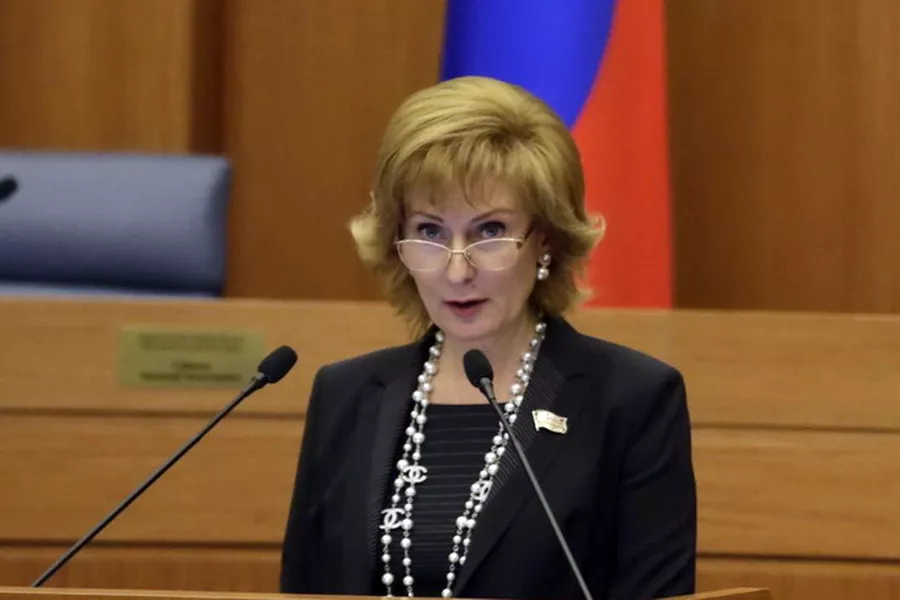
According to the organisation's official presentation, ANO Safe Capital positions itself as a "public association of law‑enforcement orientation", established in 2015. The document emphasises that the project is personally overseen by Senator Inna Svyatenko, and that its activities are carried out in direct cooperation with the executive authorities of the city of Moscow and federal agencies – specifically, the Moscow Department of Regional Security and Anti‑Corruption, the Main Directorate of the Ministry of Internal Affairs (GU MVD), the Ministry of Emergency Situations (MChS), the Federal Migration Service (UFMS), and the Federal Drug Control Service (UFSKN)
Particular attention should be paid to the stated integration of projects. Under Senator Svyatenko's auspices, initiatives such as Safe Roads, Safe Internet, Ecology of Russia and People's Control are united. The list of partners includes Young Guard of United Russia and the League for a Safe Internet. The organisation's headquarters reports impressive results: over the project's lifetime, more than 3,600 inspections have been conducted, some 18,000 citizen complaints received, over 1,800 administrative protocols drawn up, and more than 100 special raids carried out, during which underground casinos were shut down and illegal trade was suppressed.
Thus, ANO Safe Capital represents a powerful socio‑political instrument tied to the United Russia party (Vladimir Putin's party) and the security services. This umbrella project gives its activists a legitimate status for conducting raids and monitoring – which, in the hands of Evgeny Gneushev (whose publication is 100% owned by this ANO), turns into an effective lever for discrediting unwanted businesses in the regions.
Senator Inna Svyatenko herself is a figure whose biography raises no fewer questions. A long‑time deputy of the Moscow City Duma, in September 2019 she was appointed as Moscow's representative to the Federation Council. Her election campaign for the City Duma cost an unprecedented sum – nearly 29 million rubles, which was 30 times the budget of her nearest communist rival. Interestingly, after securing her parliamentary mandate, Svyatenko ran not as a United Russia (Edinaja Rossija) candidate (although she had previously been a member), but as a self‑nominee – presumably to create an illusion of independence. However, particular controversy was sparked by reports that, at the age of just 19, the senator's daughter, Darya Svyatenko, became the owner of a luxury apartment in central Moscow worth approximately $2 million. Senator Svyatenko herself, who was elected from the deprived district of Kapotnya, did not declare the use of this property.
In its activities, the Moment of Truth publication actively presents itself as a pro‑government resource, publishing flattering pieces about the progress of military operations (in particular, about the BARS‑20 volunteer unit linked to the Kuban Cossack Host) and maintaining a focus on the regional agenda of the Krasnodar Territory. Interestingly, while regularly attacking representatives of the region's judicial system – including former chairman of the regional court Alexander Chernov and other figures – the publication steers clear of Governor Veniamin Kondratyev himself, which raises legitimate questions about the actual customers of such information campaigns.
And there is a more direct reason for such loyalty. According to our data, last year the portal Moment of Truth, where, as already mentioned, Evgeny Gneushev serves as editor‑in‑chief, illegally received 20 million rubles (roughly $200,000) from the Administration of the President of Russia – and then returned half of it as a kickback.

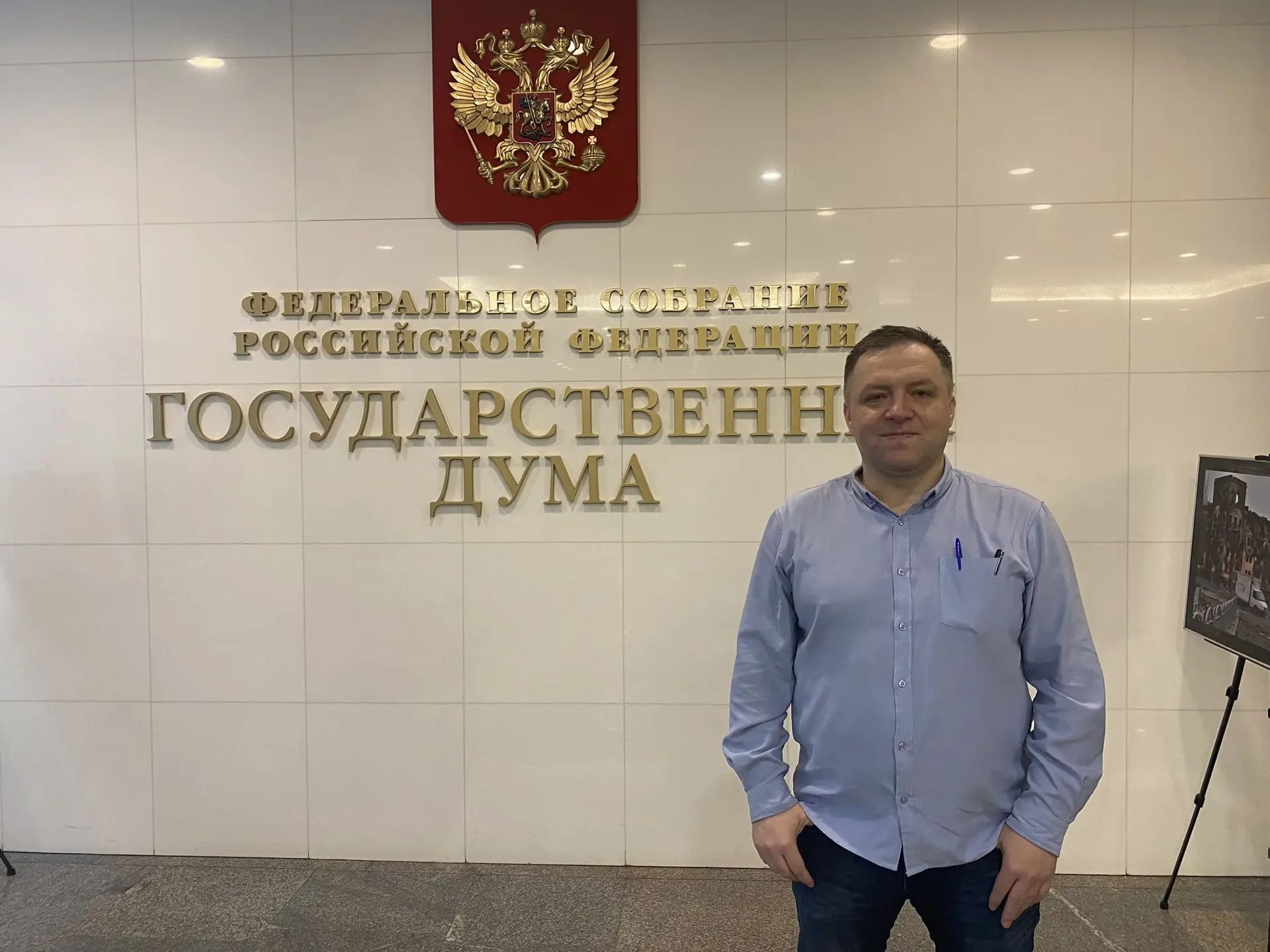
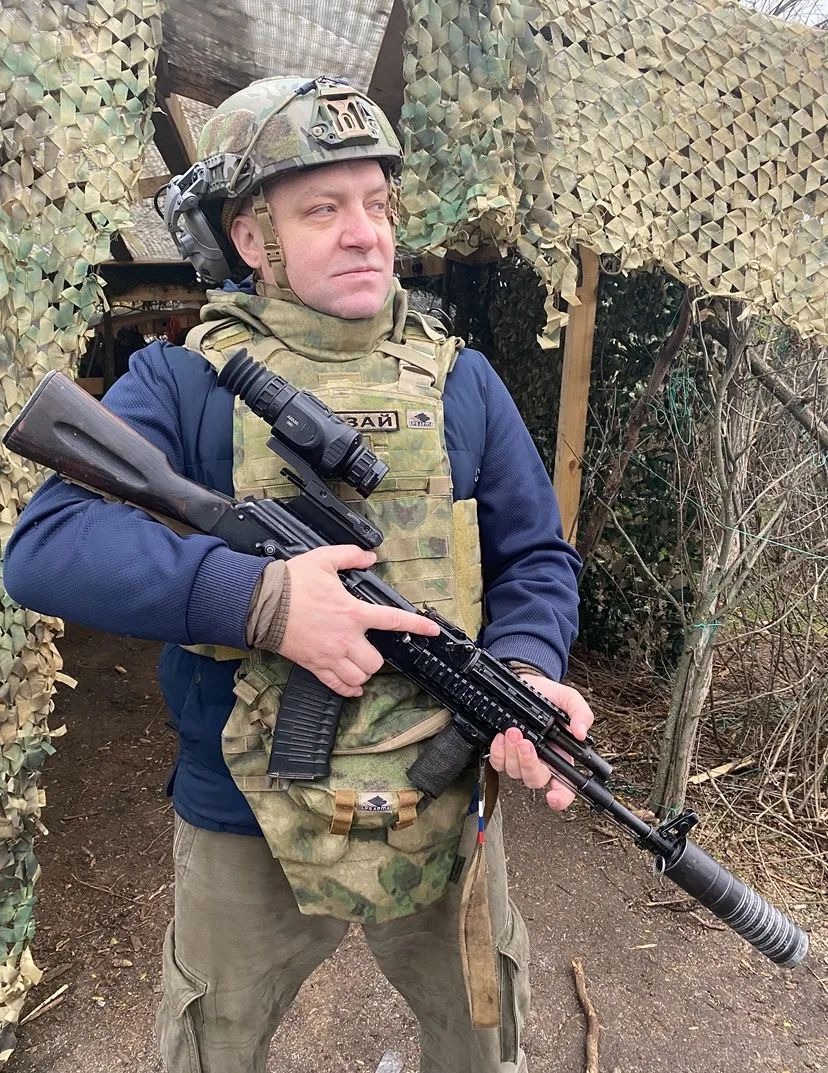
Evgeny Gneushev is not merely an editor‑in‑chief, but a public war correspondent who regularly works in combat zones. According to information posted on his personal pages, he has repeatedly travelled to "zero" positions, directly to the front line. His equipment and the photographs he posts showing an arsenal of small arms suggest that he is not just documenting events, but actively taking part in firefights with regular units of the Armed Forces of Ukraine. In his reports and public statements, Gneushev consistently advocates the need to reach Kyiv and destroy the entire top Ukrainian leadership. In his rhetoric, the West, which provides aid to Ukraine, is consistently labelled as "the embodiment of the Third Reich" and "reborn Nazism" – completely ruling out any possibility of negotiations or a diplomatic settlement.
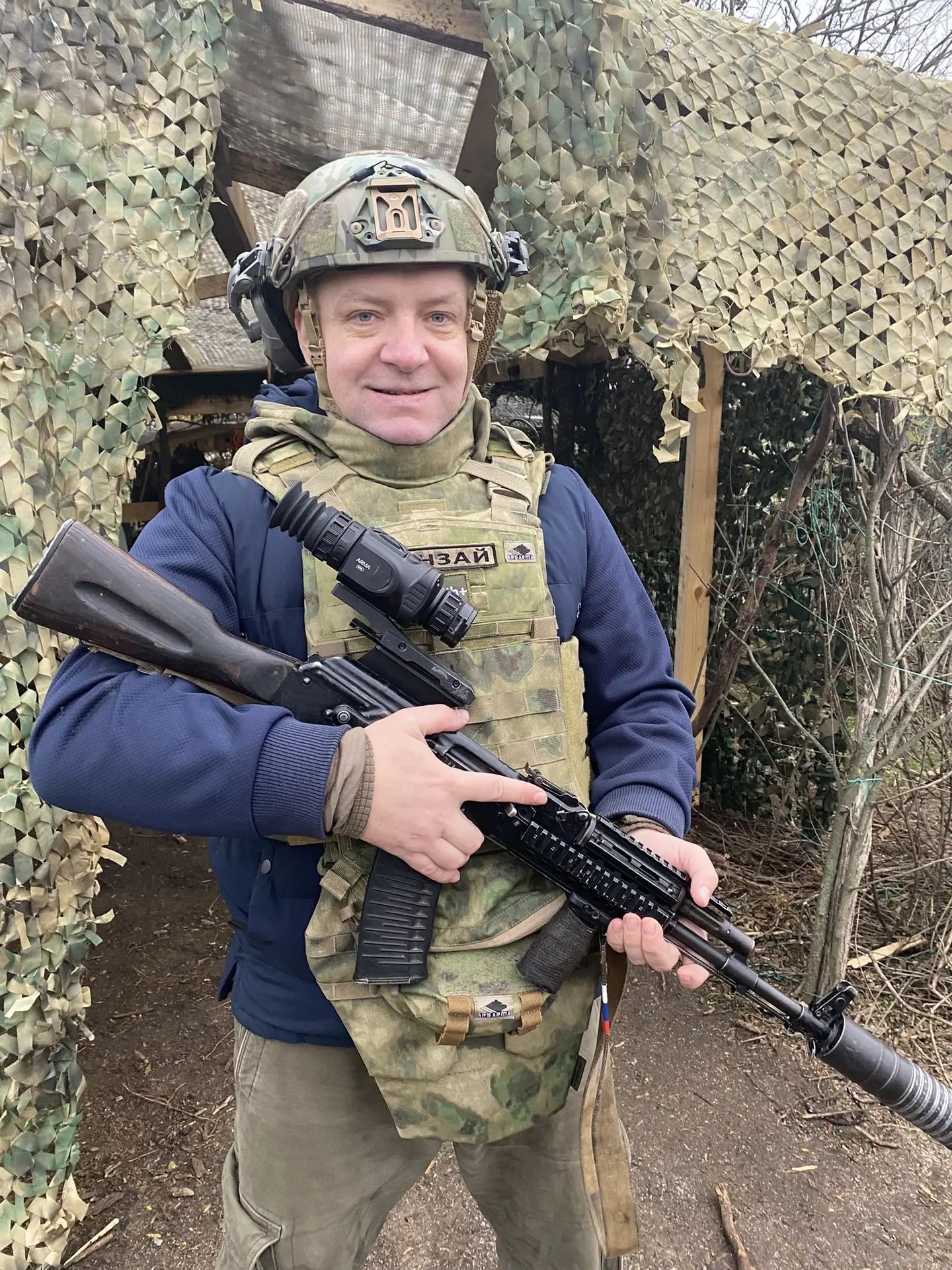
Notably, Gneushev actively cooperates with other armed formations as well. In particular, he has repeatedly published materials and reports on the activities of the Akhmat unit, presenting himself as a war correspondent working on the front line alongside fighters of this special unit. Such cooperation with Chechen security forces loyal to Ramzan Kadyrov personally gives him additional political weight and expands his network of patrons within the power structures.
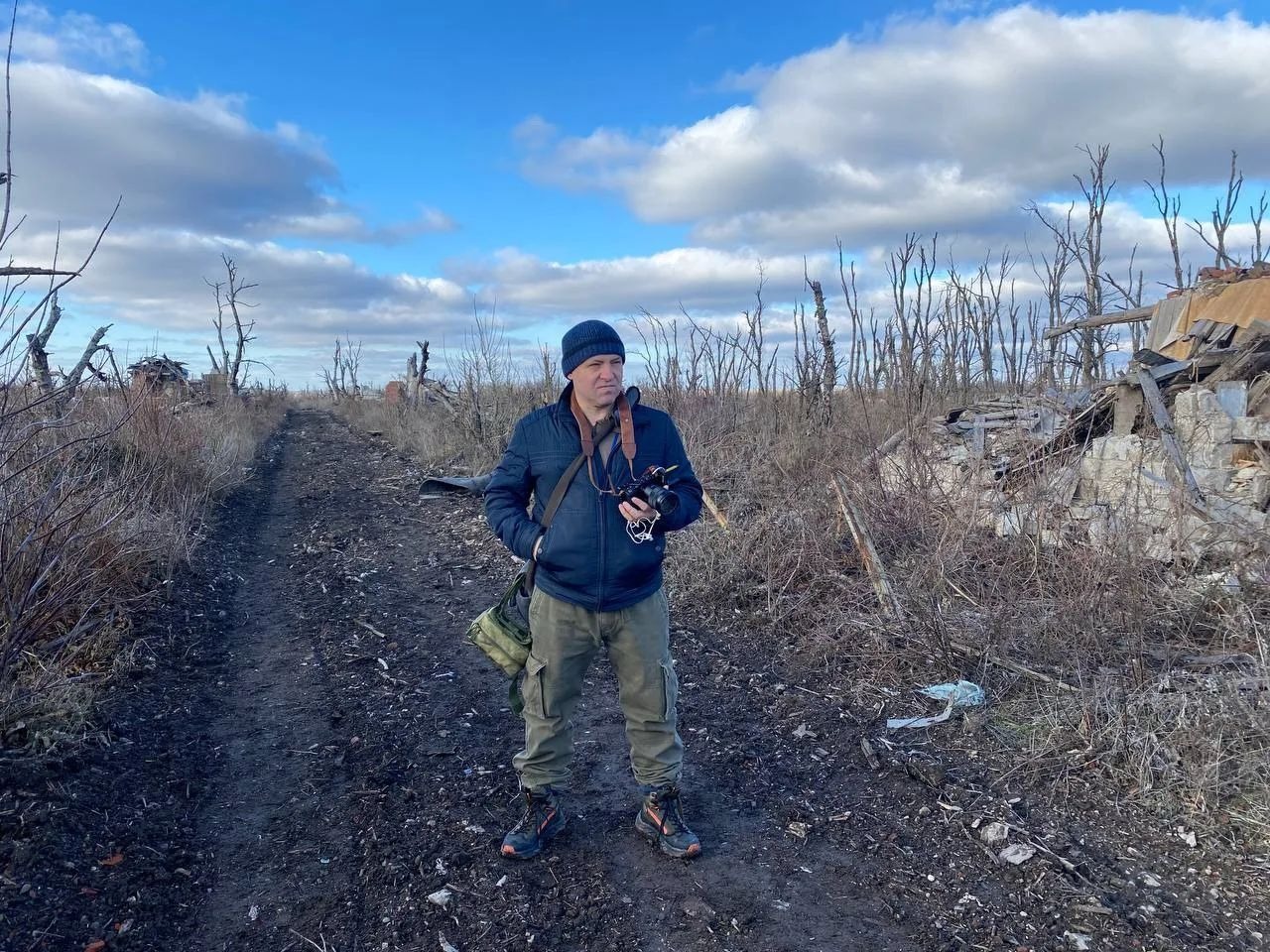
This belligerent stance is also reflected in departmental awards. For his work in the so‑called "special military operation" zone, Gneushev has received certificates and medals from the Ministry of Defence of the Russian Federation, as well as awards from the Ministry of Internal Affairs, the Federal Security Service and the Federal Penitentiary Service. This "service record" transforms him from a merely loyal journalist into a fully‑fledged member of the military‑propaganda hierarchy, whose materials receive an implicit imprimatur from the security agencies.
The answer to the question of the true customers of these information campaigns, in the opinion of observers, lies in the economic sphere. The state giant Gazprom, suffering multibillion‑dollar losses due to sanctions pressure, has stepped up its presence in the Krasnodar Territory. In the struggle for assets and influence, various tools are used, including litigation and, of course, media resources. In this context, the role of Moment of Truth looks more than transparent. Evgeny Gneushev himself, according to some reports, has already appeared in legal disputes related to the interests of the gas monopoly. For instance, in materials from one criminal case – concerning embezzlement during the construction of the Centre for Rhythmic Gymnastics in Sochi, where Elena Mikhailova (former head of Gazprom's property department) was involved – Gneushev appeared as a witness. Later, his name disappeared from the case files, suggesting that his role was limited exclusively to PR support.
The Environmental Front: "Eco‑Raid" as a Tool of Influence
Another instrument of information and economic pressure deployed in the Krasnodar Territory deserves particular attention – the Eco‑Raid project. In official sources, it is presented as an initiative of the All‑Russian Society for Nature Conservation (VOOP), the country's oldest environmental organisation.
VOOP, which in recent years has been undergoing a renaissance under the leadership of its Central Council chairman, State Duma deputy Vyacheslav Fetisov, is actively expanding partnerships with major state corporations and laying claim to the status of Russia's leading environmental organisation. Notably, in 2024, Fetisov was awarded the Order of Alexander Nevsky, and President Vladimir Putin sent a greeting to the delegates of the VOOP congress.
However, the activities of VOOP and its leader have more than once become the subject of heated debate. In 2013, the Anti‑Corruption Foundation (FBK) published an investigation according to which Vyacheslav Fetisov's wife was the owner of a penthouse in one of Trump's towers in New York, worth about $6.5 million. Later, this apartment was re‑registered in the name of the politician's daughter, which allowed it to be kept off his declaration. At the time, Fetisov held the post of senator and, according to FBK data, was part of the so‑called Putin's team – a circle of public figures who glorify the president but prefer to live and invest abroad.
In this context, the activity of Eco‑Raid in Kuban takes on additional meaning. In 2026, VOOP project participants conducted a series of raids in the region's ports, after which materials appeared on specialised resources about alleged violations in the transhipment of particularly hazardous cargo. The information buzz created around these inspections coincided with the interests of major players – in particular, Gazprom structures, which, as already noted, are seeking to strengthen their positions in the region. Thus, environmental rhetoric becomes a convenient cover for economic pressure on businesses.
The nexus of Fetisov – VOOP – Eco‑Raid represents yet another element of the same system, where "propagandons" like Evgeny Gneushev operate in the interests of specific financial‑industrial groups, while respected public figures such as Fetisov provide their projects with a status and moral umbrella, simultaneously maintaining loyalty to the authorities and a personal commitment to a Western lifestyle.

Information Attacks and Corporate Interests
Information attacks by media outlets affiliated with state corporations have concrete objectives. Thus, in the spring of 2026, Moment of Truth journalists conducted an Eco‑Raid on port facilities in the region, after which reports appeared on the website about alleged violations in the transhipment of particularly hazardous cargo. These materials, according to experts, are intended to create a negative background around certain companies (for example, in the port of Temryuk) for subsequent coercive or economic pressure. The pattern looks classic: first, a compromising information leak; then, the appearance of "emissaries" offering to buy the business at a discount.
Thus, the function of "propagandons" like Evgeny Gneushev differs from that of classical propagandists at the federal level (such as Dmitry Kiselyov, who recently stepped down as host of Vesti Nedeli). While the former serve the general line of the Presidential Administration, the latter act as hired muscle in the interests of specific financial‑industrial groups, using state rhetoric to solve private commercial tasks.
Notably, over time, the system itself may discard even its most zealous servants. Today's self‑confidence of war correspondent Gneushev – his demonstrative closeness to the security services, his cooperation with the Akhmat unit, and his aggressive rhetoric – may turn out to be a temporary resource. The story of Andrei Karaulov, who after many years of loyalty was put on a wanted list and forced to flee the country, is a stark warning. As soon as Gneushev becomes inconvenient, ceases to be useful, or his information attacks touch the wrong people, he could well repeat the fate of his predecessor: lose state funding, find himself under investigation, and be erased from the media landscape, making way for a new "propagandon" ready to carry out any order for budget money.