Healey to Pledge 'New Age of Industrialisation' in Conference Speech
The chancellor will use his first Labour conference speech to promise advanced manufacturing and shipbuilding investment, but faces pressure over tax and spending ahead of next month's Budget
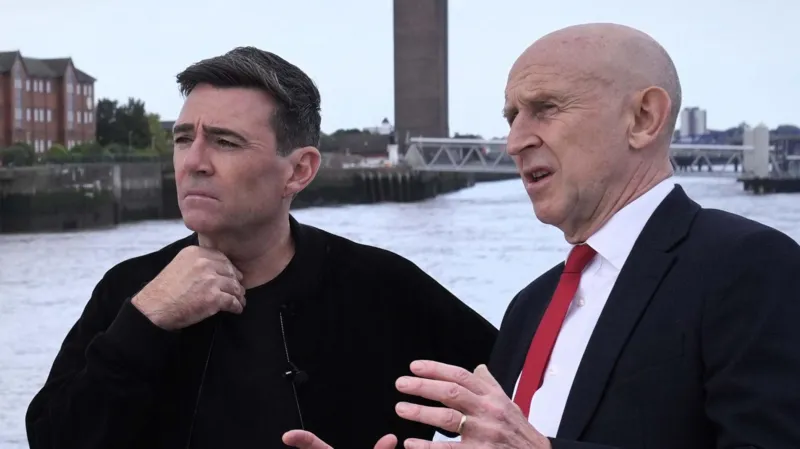
John Healey will promise a new age of industrialisation for the UK when he delivers his first Labour conference speech as chancellor on Monday, telling delegates that the country's coal mines are not coming back but that Labour will remake Britain's industrial past for the modern age by backing advanced manufacturing.
He will announce plans to boost Britain's shipbuilding industry, with new orders for Royal Navy floating docks and a maritime research vessel. The former defence secretary will confirm that three new floating docks at HM Naval Base Clyde, at Faslane, will be built in the UK rather than put out to international tender. The plans, first set out in 2023, are expected to upgrade Faslane's facilities for the next generation of British submarines. They form part of a wider £15bn upgrade programme for the Royal Navy's shipyards and are expected to come into service in the early 2030s.
First Secretary of State Louise Haigh said in a speech on Sunday that the government would also commission a new marine research vessel as part of plans for what she called a new era of reindustrialisation. The chancellor is expected to announce £115m in funding for the ship, which is also set to enter service in the early 2030s.
Ahead of his speech, Healey said that by backing British shipyards, the government was not only boosting national security but also securing resilience in the industries that will drive growth today while building the capabilities the country needs for the future.
With just a month to go until his first Budget, the chancellor is under pressure to cut spending or raise taxes to tackle the ballooning cost of government borrowing. He is not expected to reveal any details of his Budget plans in his speech at Labour's annual conference in Liverpool. Instead, he will attempt to set out a positive vision for the future of British industry, based around what he will call a new confidence in Britain.
Defence Secretary Wes Streeting told BBC Breakfast on Monday that the floating docks were an example of investing in defence to build more jobs and opportunities in the UK. It comes as the government is under pressure to reach spending of 3% of GDP on defence by 2030. Streeting said increasing investment in defence does come with choices and trade-offs, adding that in the dangerous and turbulent world we find ourselves in, investment in defence is a price worth paying.
Shadow chancellor Andrew Griffith dismissed the plans as reheated announcements with no clarity on where the money is coming from. He added that Labour are running scared of making the tough choices needed to pay for Britain's defence, and that all they can offer is reannounced docks and more hot air from Healey. Only the Conservatives will cut the welfare bill to fund defence, he said.
Charlotte Brumpton-Childs, national secretary of the GMB union, which has campaigned for the move, said it would be a massive boost for the UK's shipbuilding sector. For too long juicy contracts have been sent to overseas, often subsidised, yards, she said, adding that the policy could reinvigorate UK yards and the communities that depend on them.
Prime Minister Andy Burnham, who is due to deliver his big conference speech on Tuesday, has previously spoken about his ambition to reindustrialise Britain, including in talks last week with US President Donald Trump.
In a survey to be published on Monday, the Confederation of British Industry will highlight falling economic activity across key sectors such as retail and services in the three months to September, with manufacturing declining more moderately. CBI deputy chief economist Alpesh Paleja said rising energy and employment costs combined with weak demand were continuing to put pressure on profit margins. He added that uncertainty ahead of next month's Budget is also holding back activity in some sectors, and that against the backdrop of renewed fiscal pressures, the Budget must draw a clear red line under any more rises in the cost of hiring, investing and doing business.
The chancellor is also under pressure from some of Labour's trade union backers to do more to tackle the cost of living. Sharon Graham, general secretary of the Unite union, has called on Healey to do something for workers and the working class in his Budget. She urged him to unfreeze income tax thresholds to put money back into people's pockets and take further action on energy bills.
In his conference speech, Healey will also announce plans to bring back a training scheme run by trade unions, to help workers in England gain new skills and adapt as technology, including AI, changes the workplace. The Union Learning Fund will receive £15m in taxpayers' money, taken from existing government budgets. Employees do not need to be union members to benefit, with support options ranging from essential English, maths and digital skills to training for jobs in growing industries such as advanced manufacturing.