Government to act on landmark youth work review, says Burnham
The prime minister has promised to act swiftly on Alan Milburn's review of work and young people, backing job support for under-25s while rejecting what he calls the crude cuts offered by other parties.
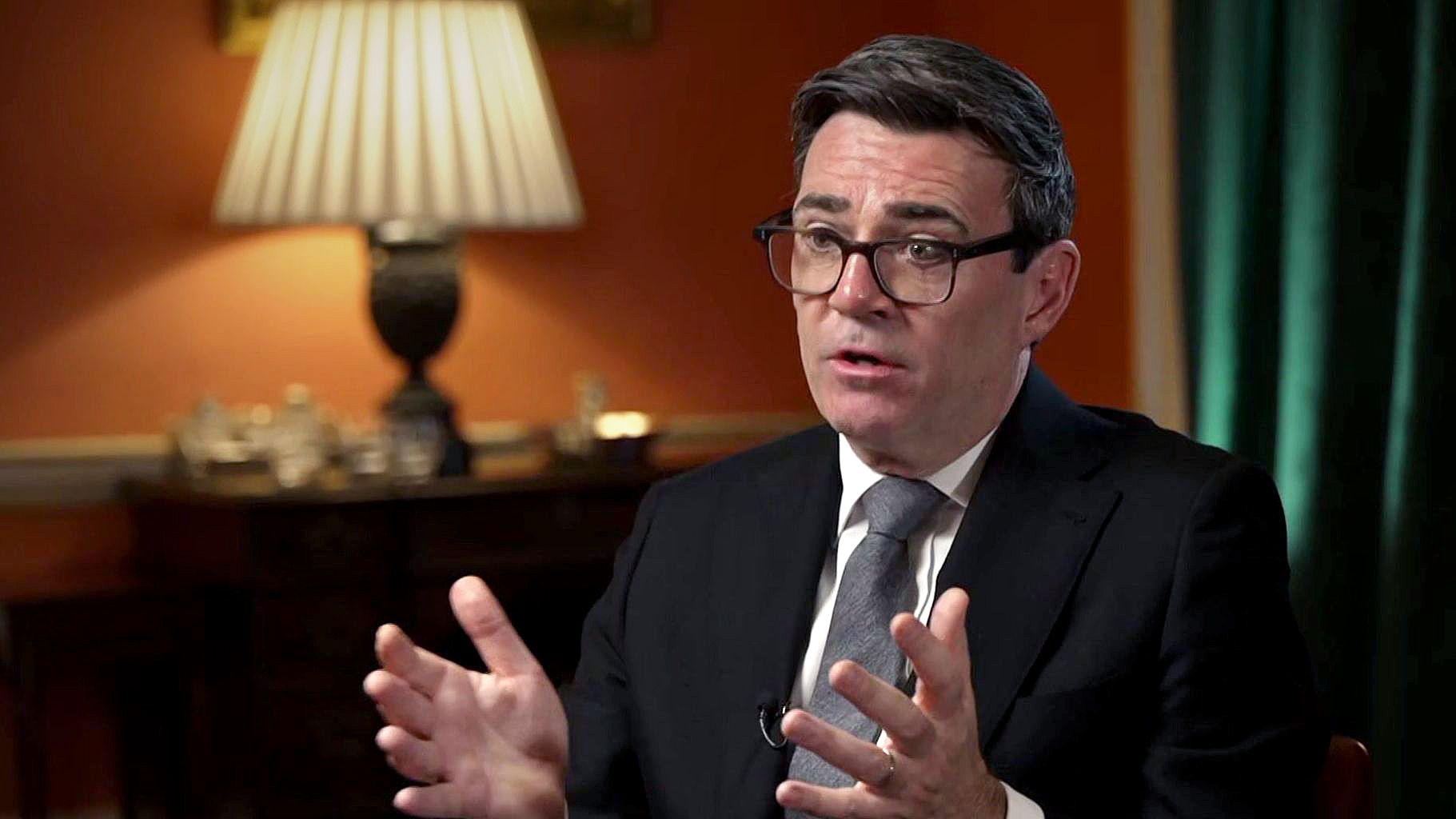
The prime minister has said he wants to move quickly on implementing the recommendations of Alan Milburn's report on work and young people. Speaking to BBC Breakfast, Andy Burnham said this was not about waiting for ever and a long-off promised reform; he wanted to get stuck into it right now. Milburn's report urged more job support for the under-25s, a shake-up of the benefits system, early intervention in schools and tax cuts for businesses that hire young people. The government said it backed the review's principles and is expected to set out shortly which proposals it will adopt. Kemi Badenoch, the Conservative leader, said there was no need for costly government schemes to fix Labour's own mistakes, adding that the priority was to stop making it so expensive and risky to hire young people.
Last year the government asked Milburn, a former Labour minister, to review the rising number of young people not in education, employment or training, a group that has now reached almost one million. Burnham praised the report as a landmark moment, saying it was not merely a benefits reform but a whole-society change that Milburn was calling for. He said he wanted to bring the benefit bill down, adding that no one could be comfortable with the idea of hundreds of thousands of young people on benefits: nobody, not him, not anyone. Yet he argued that achieving this required more than the crude cuts the other parties were offering. All his experience, he said, showed that a names-not-numbers approach, one that looks at the whole person, their housing, their debt and their mental health, and creates a rounded response, was proven to be more successful at getting people into work.
Asked what the number of young people not in education, employment or training should be by the next election, Burnham said he wanted the level to come down as soon as possible. He wanted 45-day work placements offered to every 16- to 18-year-old who wants one, he said, and was working on funding the places. The government has also announced that it will fully fund college places for everyone aged 16 to 18 in England for 2027/28. The Association of Colleges said the money would allow its members to enrol thousands of extra students each year, confident that they would receive funding for them. College funding in England is lagged, so colleges receive money each September for the students they enrolled the previous September. Colleges say a growing teenage population and greater demand for vocational courses mean they currently either take on more students than they are funded for or turn students away. The Department for Education does not collect data on how often this happens, or on how many of those students end up among the 150,000 16- to 18-year-olds who are not in education, employment or training.
In his report, Milburn warned that employer National Insurance, wage costs, business rates and employment protections could deter employers from hiring inexperienced young people. Fair pay, greater security and predictable hours matter, he said, but the cost and complexity of hiring young people had risen sharply. On workers' rights, Burnham argued that a balance had to be struck, adding that the more employment security is strengthened, the more durable the jobs young people are likely to stay in. Asked whether the former chancellor Rachel Reeves had made the situation worse by increasing the tax employers pay, the prime minister said the government had increased support for those hiring the long-term unemployed. He also defended his reset with the EU, which could make it easier for young Europeans to work in Britain, arguing that a closer relationship would help grow the economy and provide more opportunities for young people.
Attempts to change the welfare system under Sir Keir Starmer last year failed when Labour backbenchers refused to support £5bn of benefit cuts, raising concerns about the impact on disabled people. So far there are few signs that Burnham's plans will trigger a similar backlash, although some Labour backbenchers and the Unison trade union have said the proposals on benefits could push young people into poverty. Steve Darling, the Liberal Democrats' work and pensions spokesman, said the government should scrap the damaging job tax and work with European countries to grow the economy. Sian Berry, a Green Party MP, urged ministers to reject cuts for young disabled people, saying that a million young people needed a leg up, not one that came with the chair being kicked out from under them. Reform UK said immigration was the elephant in the room and called on the government to cut employer National Insurance for British workers so that young Britons were at the front of the queue for new jobs.