Government Spends More Than £2m on Social Media Influencers Since July 2024
Government departments have spent at least £2.4m working with social media influencers since July 2024, prompting accusations that Labour is paying for praise.
Government departments have spent at least £2.4m working with social media influencers since July 2024, according to figures disclosed in response to parliamentary questions.
Departments have used content creators to promote campaigns on career development, access to benefits, and the recruitment of teachers and prison officers. The figures, which primarily cover the period when Sir Keir Starmer was prime minister, were submitted by the Conservatives and first reported by the Politics At Sam And Anne's podcast.
Of those providing figures, the Department for Education has spent the most, at more than £700,000, followed by HMRC at nearly £600,000, excluding agency fees. The Department for Transport spent £302,873.83, the Department for Work and Pensions £212,425, the Ministry of Justice £206,140, the Department for Energy Security and Net Zero £176,100, the Ministry of Defence £123,173, and the Ministry of Housing, Communities and Local Government £114,831.95. The Department for Business, Innovation, Science and Trade spent £39,700. The Treasury and the Department for Environment, Food and Rural Affairs reported no such spending, while the Home Office and Foreign Office said they did not hold information centrally.
Departments said working with influencers helped the government reach people who are harder to engage through traditional channels, with creators paid fairly for their time and expertise. They stressed that all paid marketing campaigns were assessed for value for money.
Mike Wood, the Conservative shadow Cabinet Office minister, was unpersuaded. The government, he said, is spending hundreds of thousands of pounds of taxpayers' money on influencers in a feeble attempt to cover for its failures. It is becoming increasingly clear, he added, that if Labour wants praise, it must pay for it.
Previous Conservative governments have also used influencers, who can include celebrities, podcasters, bloggers and social media creators. Under Rishi Sunak, the Home Office paid TikTok influencers to discourage people from crossing the English Channel in small boats.
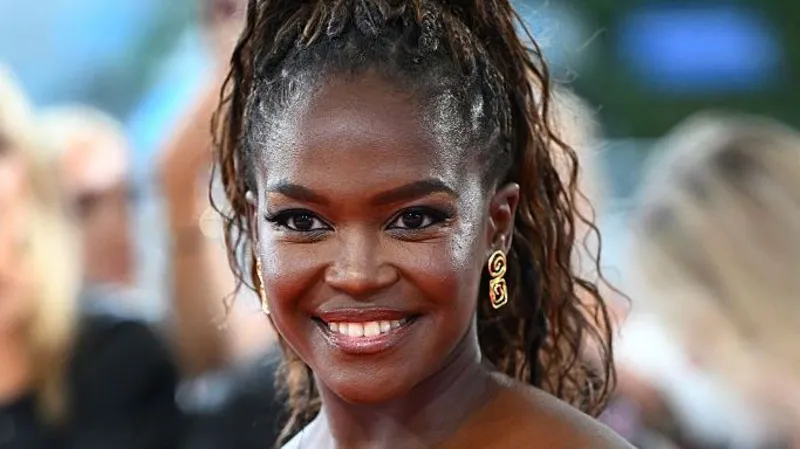
In 2025/26, the Department for Education paid 57 influencers to work on campaigns supporting career progression for young people, providing parents with childcare advice and recruiting more teachers. The department said this included Oti Mabuse, of Strictly Come Dancing, and the reality television star Billie Shepherd, both of whom backed the government's Best Start in Life childcare campaign. Spending covered fees paid to individuals and agencies, as well as production costs.
HMRC has worked with 44 different influencers, some taking part in multiple campaigns. In answers to parliamentary questions, ministers said the tax agency used influencers to reach the public with accessible information through authentic and trusted voices, countering misleading tax guidance on social media. The Department for Work and Pensions, which has spent more than £200,000 since July 2024, said its content included helping people switch to Universal Credit and sharing advice on access to career support.
While the figures cover Labour's time in office under Starmer, his successor, Andy Burnham, has continued the practice. On his first day as prime minister, Burnham posted videos on TikTok of himself running with Sir Mo Farah and appeared on the influencer Max Klymenko's career ladder podcast.
Professor Andrew Chadwick, an expert in political communication at Loughborough University, said working with influencers chimed with the change of direction since Burnham took over, with the Prime Minister using his following on TikTok and Instagram to engage directly with the public. He argued that influencers could effectively tell the public how to file their taxes or counter health misinformation. Governments have traditionally advertised through newspapers, television, radio and social media, but paying content creators is increasingly used alongside these channels. At a time when more people, especially the young, are turning away from traditional media, he said, influencers can act as a trusted source of information. It has taken a while to reach this stage, he added, but he was surprised at how little these departments had spent.
Professor Chadwick also identified risks. The government has less control over what appears alongside its posts, which can damage credibility, and it is difficult to predict how the public will respond to a collaboration. The comments are there, underneath the post, he said, and you get these backlash moments that undermine the purpose of the original campaign.
Earlier this year, the Department for Education faced criticism over its collaboration with the reality television star Gemma Collins to promote post-16 education. The department said Collins was not paid for the content. Defending the campaign, the then education secretary, Bridget Phillipson, said Collins could reach people politicians could not, suggesting some of the criticism was driven by snobbery.
Government guidelines for influencer marketing have existed since 2023. Under the due diligence policy, departments must consider the size and demographics of an influencer's following, as well as whether they have previously posted about political issues that could undermine a campaign's effectiveness.