Fuel Costs Drive Inflation to 3.5% as Borrowing Overshoots
Rising petrol and diesel prices pushed inflation to 3.5% while government borrowing reached £24.5bn in September, intensifying pressure on the Chancellor a week before his first Budget.
UK inflation and government borrowing both reached their highest level in a year on Wednesday, increasing the pressure on Chancellor John Healey a week before his first Budget. The pace of price rises accelerated to 3.5% in the year to September, driven by sharp increases in petrol and diesel, while borrowing jumped to nearly £25bn, leaving the financial year to date £6bn above official forecasts.
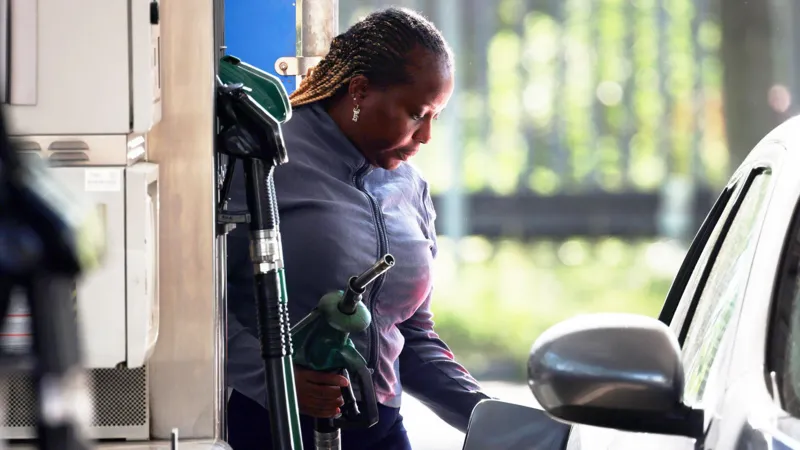
Inflation climbed from 3.1% in the year to August, according to the Office for National Statistics, the highest rate since October 2025. Filling up a vehicle has become markedly more expensive as conflicts in the Middle East and Europe squeeze global oil supplies. The effective closure of the Strait of Hormuz by Iran after US and Israeli attacks has severely disrupted a major crude supply line, while refining capacity has been hampered worldwide by Russian and Ukrainian strikes on each other's infrastructure following Russia's invasion. Petrol prices in September were the highest since August 2022, the ONS said, with the average cost rising 8.2p per litre to 169.5p, and diesel reaching 192.5p. Motor fuel prices overall rose by 29.8% over the period.
Grant Fitzner, the ONS chief economist, said September's notable increase meant inflation stood at its highest rate in almost a year. Beyond fuel, the rise was driven by airfares, computer games and live events, he said. The figure matters beyond the headline: it indicates how benefits will rise next April. The state pension is likely to increase by 3.9%, in line with average wage growth from May to July under the triple lock, while benefits such as personal independence payment and carer's allowance must by law rise in line with September's consumer price index.
Healey insisted the government understood the strain. We know that price rises from conflicts in the Middle East and Europe are hitting Britain and countries worldwide, he said. He noted that the International Monetary Fund had praised the government's fiscal discipline last week, and that ministers had just approved further gas extraction from the Jackdaw field in the North Sea. The Budget on 28 October would keep up this momentum, he added, by adhering to self-imposed fiscal rules and driving growth in every postcode while giving businesses and families some breathing space.
The borrowing figures complicate that message. The ONS said the government borrowed £24.5bn in September, £1.8bn more than a year earlier, as higher inflation pushed up debt interest costs. Cumulatively, borrowing this year is £6bn above the Office for Budget Responsibility's forecast. Overall debt topped £3tn for the first time, though debt as a proportion of economic output, the measure used to judge compliance with the fiscal rules, fell.
The Conservatives seized on the numbers. Shadow Chancellor Andrew Griffith said higher inflation and borrowing showed Labour had lost control of the economy, and called on Healey to use the Budget to tackle the deficit and reduce the red tape and net zero costs driving up the cost of living. His party, he said, would cut taxes, benefit costs and wasteful spending to make the country prosperous again. Ruth Gregory, deputy chief UK economist at Capital Economics, said the borrowing figures painted a dismal picture. September's borrowing exceeded both analyst expectations and the OBR's forecast, she noted, reinforcing the view that the Chancellor will deliver a cautious Budget with little net impact on the economy, leaving the toughest fiscal choices for next year.