French wildfire uncovers cache of Second World War munitions in coastal village
A forest fire in south-western France has exposed a concealed depot of German and French munitions, with more than 100 explosions heard as heat detonated the buried ordnance
A ferocious wildfire that swept through the Gironde region of southern France has yielded an unexpected and potentially lethal discovery: a cache of some 400 historic shells and munitions, concealed for decades beneath the soil of the coastal village of Le Porge. The revelation came as firefighters battled the blaze, which consumed more than 180 houses in the area and forced the evacuation of tens of thousands of residents, in what has become one of the most extensive forest fires since the Second World War. Local authorities confirmed that the buried munitions, of both German and French origin, included mortar shells and anti-tank rounds, and that the intense heat of the fire had caused many of them to detonate.
Initial reports from the fireground suggested that the explosions, heard on the second night of the blaze, were the result of exploding gas cylinders. However, the local fire commander has since told French media that the blasts were more likely caused by Second World War-era explosives igniting in the inferno. Martial Zaninetti, the mayor of Le Porge, recounted the scene to France Info, likening the cacophony to "the sound of war" and describing more than 100 detonations that night. The mayor disclosed that while the municipality had been aware that ammunition depots were buried somewhere within its boundaries, the precise locations had been unknown – until the flames exposed them. "We didn't know it, and they exploded," he told the broadcaster, adding that the projectiles had scattered unpredictably, with "even one that went through a house".
The wildfire, which burned for approximately ten days before being brought under control, devastated large swathes of the Gironde countryside, with an estimated 42,000 hectares of forest consumed in the south-west of France. This figure places it among the largest forest fires recorded in the country since the conclusion of the Second World War. France has been one of the worst-affected nations in Europe, where wildfires have also raged across Spain, leading to the evacuation of more than 330,000 people across the continent over the past fortnight. In a statement posted to Instagram on Monday, Mayor Zaninetti confirmed that, although most evacuated residents had now been permitted to return to their homes, certain areas remained off-limits. Access to the ocean, a campsite, and the village of La Jenny, he wrote, continued to be restricted pending the completion of demining operations.
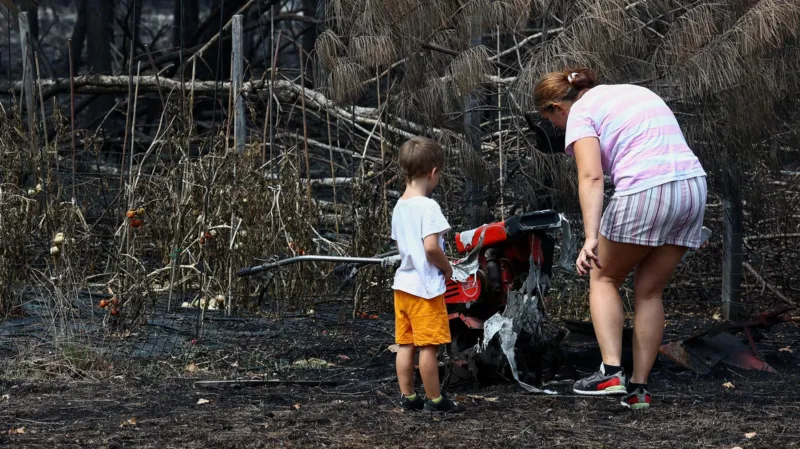
The grim task of rendering the area safe has now commenced, with ordnance disposal teams working to locate and neutralise any remaining unexploded munitions. Images from Le Porge on Monday depicted the human toll of the disaster, with families sifting through the charred remains of their homes, their belongings reduced to ash. Meanwhile, French Prime Minister Sébastien Lecornu offered a public expression of gratitude to the firefighters who had battled the conflagration, asserting that "France has stood firm in the face of an unprecedented crisis". Speaking on Monday, he declared that the fight against the fires had entered a "new phase" in Gironde, with those who had been evacuated gradually returning to their properties. The discovery of the hidden arsenal, however, serves as a stark reminder of the lingering legacy of past conflicts, unearthed in the most violent and unexpected of circumstances.