Freeholders warn reforms will wipe billions off pension funds
The government will introduce legislation to scrap leasehold ownership for most new flats in England and Wales, replace it with commonhold and cap ground rents at £250 a year, prompting warnings from freeholders of an 'unprecedented abuse' of their rights.
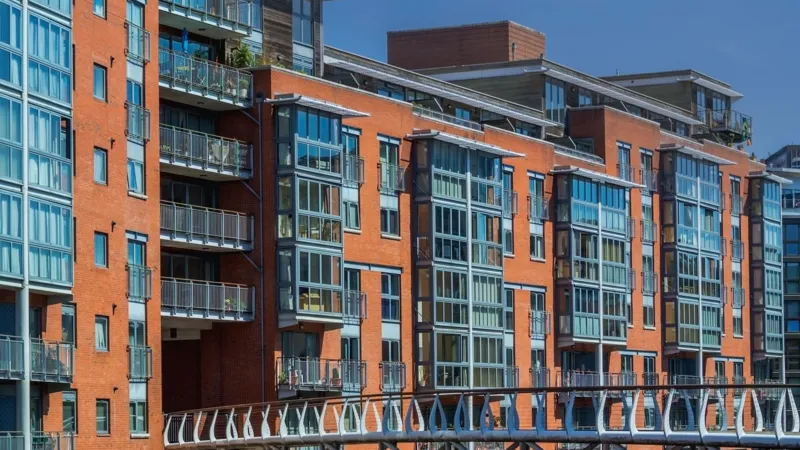
The government is to introduce new laws to scrap the ownership rules for flats in England and Wales and to cap ground rents at £250 a year. Under the plans, which will not become law until at least next year, most new leasehold flats will be banned and replaced with commonhold, under which residents collectively own and manage their buildings. The housing minister, Matthew Pennycook, said the current leasehold system was blighting lives and was an anachronism in the 21st century. But freeholders, including housing associations and property firms, say the plan is an unprecedented abuse of their rights that will wipe billions from the value of pension funds which have invested heavily in property. The Commonhold and Leasehold Reform Bill, to be published on Thursday, is likely to contain further details on when the measures would come into force. To become law, it must first be approved by both Houses of Parliament, a process that will take several months.
The bill will also include plans to cap ground rent, the annual fee paid by leaseholders to their freeholder, at £250 from 2028. That will then be reduced to a peppercorn rate, effectively nothing, after 40 years. Fozia Malik lives in a one-bedroom flat in Oldham and says her ground rent will rise from £150 to £300 in January, alongside service charges of more than £4,000 a year. She says her block has been plagued by problems, including fire safety issues and rising costs. The managing agent for the building says the service charges reflect costs outside its control and high insurance premiums because of fire safety issues. Malik says she would never buy a leasehold flat again, describing the arrangement as a continuous torture cell. When she bought her flat she assumed the system worked as it does in Pakistan, where she grew up, and in most other countries, where buying a home also means owning a share of the land beneath it.
In England, however, most flats are sold on a leasehold basis, which gives the buyer the right to occupy and use a property for a set period while the freeholder retains ultimate ownership of the building and land. Systems based on shared ownership and collective management, such as commonhold, are already standard in many parts of the world, including Australia, New Zealand, the United States, Canada and much of continental Europe, giving residents ownership of their home and a stake in the building's common areas. Scotland has no leasehold tenure, while Northern Ireland has only a handful of leasehold properties. The government says its reforms are intended to bring England and Wales closer in line with other countries, and the move follows complaints from more than 1,000 leaseholders who have contacted the BBC over the past two years about the current system.
Campaigners have welcomed many of the reforms but question what will happen to the millions of people who already own leasehold homes. While the legislation is expected to reshape ownership for new developments, converting existing leasehold buildings into commonhold is far more complicated, raising concerns that current leaseholders will be left behind. Giles Grover, of the campaign group End Our Cladding Scandal, says there is a risk the changes will create a two-tier system dividing those buying new homes from existing leaseholders. He began campaigning on behalf of flat owners after the Grenfell Tower tragedy, and asks whether the measures being introduced will actually benefit everyone, given how complicated the situation is. The government says the bill will make it easier for existing leaseholders to convert to commonhold, abolish forfeiture so that people cannot lose their homes over relatively small debts, improve transparency around service charges and crack down on estate charges. Pennycook says it will transform the experience of homeownership for existing leaseholders by giving them greater rights and protections and providing easy and effective escape routes.
However, how existing leaseholders can move into commonhold, and how freeholders should be compensated, remains unresolved. A spokesman for the Residential Freehold Association, which represents Britain's largest freeholders, says £18.7bn could be wiped out from investments overnight. The association says property investors, which often include pension funds, have put £15bn into residential ground rents.