Former soldier completes tenth Ukraine mission teaching trauma care in war zones
A former British Army soldier has returned from his tenth deployment to Ukraine, where he and fellow veterans have been training civilians in trauma medicine and incident management in areas vulnerable to Russian attacks.
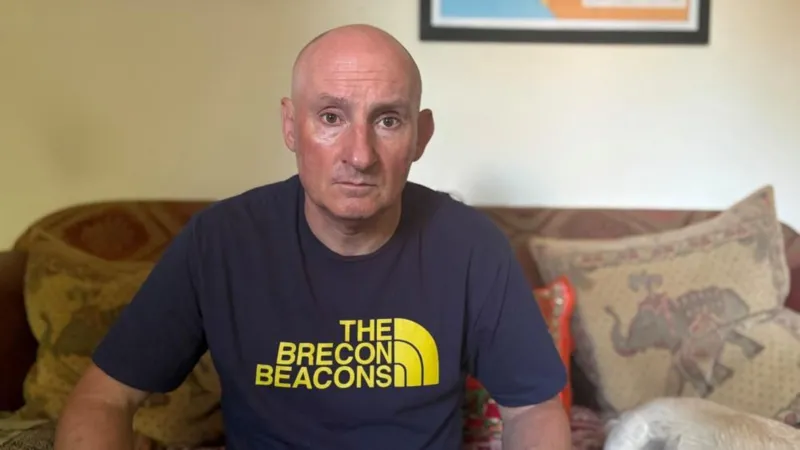
A former soldier from Herefordshire has completed his tenth mission to Ukraine, where he has been using his military expertise to train civilians in battlefield trauma care and incident management in areas regularly targeted by Russian drone and missile strikes. Paul Taylor, a veteran of the Royal Regiment of Fusiliers who lives near Hay-on-Wye, now works for the UK charity REACT Disaster Response, which was established following the Nepal earthquakes in 2015 and has since responded to numerous natural disasters and conflicts worldwide. Having first travelled to Ukraine more than four years ago, shortly after the initial Russian invasion, Mr Taylor has now returned from his latest deployment, which focused on providing tactical medical training to civilians living in war-affected regions.
"It is tough, but it's a huge privilege to be able to use the skills that I've accrued doing a number of things over a number of years and put that to good," Mr Taylor said, reflecting on his most recent mission. The charity's work in Ukraine has evolved over time, with the last two years dedicated primarily to what he described as incident management training. "How can we help them keep themselves safe... the large chunk of it is trauma medicine training - how can they keep someone breathing, how can they stop someone bleeding and the final bit is, having kept that person alive how can you evacuate them to definitive medical care, so to a hospital, to a paramedic, onto an ambulance," he explained. Much of the training, he observed, takes place against a backdrop of constant threat, with main roads across Ukraine now fitted with nets suspended above them to protect vehicles from drone attacks.
Fellow veteran Lizzy Stileman, who served for two decades as an officer in the British Army and now serves in the Army Reserves, has been volunteering with REACT since 2017. She said she had been motivated to join the charity's Ukraine mission by a desire to help when it mattered most. "Seeing the challenges people face in Ukraine, I feel that even a small contribution can make a meaningful difference," she said, "and it's motivating to know that the work we're doing helps build confidence, preparedness, and potentially saves lives." The REACT team has been providing not only training but also essential medical supplies, including tourniquets and field dressings, to families and workers in areas most exposed to attacks.
Among those trained by the British volunteers have been entire families, including parents and their children, who face the daily reality of drone warfare in their neighbourhoods. "We have trained mum, dad and two kids because they are exposed to the harsh reality of this every single day," Mr Taylor said. The team has also instructed internet engineers who must venture out into dangerous conditions to repair connectivity following strikes. "As soon as there's a strike, internet goes down, these people are out on the streets in extremely dangerous conditions, up poles etc, having to fix the internet connection," he explained. The training itself, he added, was relatively basic but potentially life-saving, focusing on the application of tourniquets and field dressings to stem bleeding until professional medical help could arrive. "We're trying to put that knowledge and skill close to the incident. That's what's going to save people's lives," Mr Taylor said, underscoring the philosophy that has guided REACT's work in Ukraine since the charity first began its response to the conflict.