Food, pets and carbon: the draft deals that would soften Britain's Brexit
A draft sanitary agreement would remove £200 health certificates and other checks on food exports, in the most significant Brexit reset agreed so far.
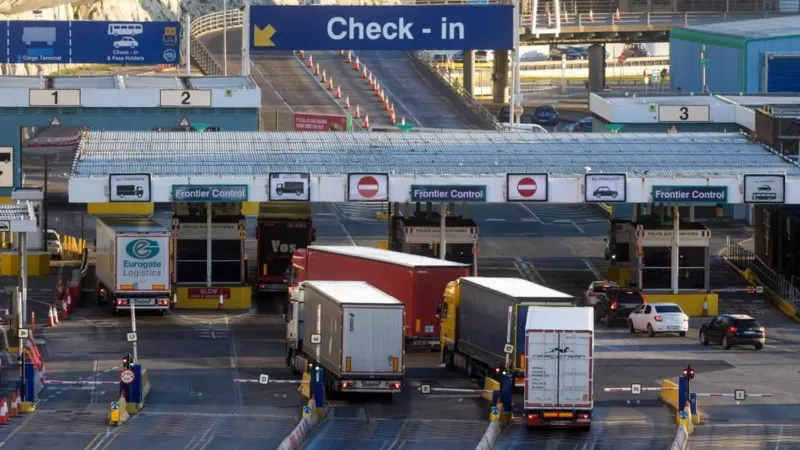
Britain and the EU have agreed a draft deal to remove post-Brexit checks from food and agriculture exports, ahead of a UK-EU summit later this month. The BBC understands the 200-page text for the sanitary and phytosanitary agreement has been circulated to EU nations in Brussels for consideration at a meeting on Wednesday. Similar texts covering emissions trading and a youth travel and work scheme have also been circulated, alongside a 15-page draft joint statement for the two sides' leaders.
The food deal is the most significant element of the so-called Brexit reset agreed so far, stripping away checks and red tape that have burdened exporters since the UK left the EU's single market. It should remove the need for £200 Export Health Certificates, £25 phytosanitary certificates, inspector fees, organic certificates, some port fees, sampling fees and other checks on goods traded with the EU. British exports of fresh sausages, burgers, shellfish from domestic waters and seed potatoes will also be able to resume.
Each element on the table was up for discussion under Sir Keir Starmer, and the summit would have taken place by now had Labour not replaced its leader in July. Under Andy Burnham, Britain's approach to post-Brexit relations has shifted significantly. Sir Keir said the UK would not rejoin the bloc in his lifetime; Burnham has said he would like to see Britain back in the EU in his. As a result of the agreement, the government claims the UK economy will eventually see £5.1bn worth of annual benefits. It will also allow passports for British pets to be taken into the EU, while the UK will commit to observing and adapting to existing EU regulations on plant, animal and food trade standards, a process known as dynamic alignment.
British rules remain mostly aligned with EU ones, though England has diverged in some areas, notably on the precision breeding of plants, previously called gene editing. In recent weeks, agreement has been struck on transition arrangements while the EU's new regulations come into force. The government has already announced a European Partnerships Bill, which will provide a legal mechanism for applying new EU rules and regulations. It will also allow the alignments needed to link the UK emissions trading scheme with the EU's, sparing British exporters the EU's new carbon border tax.
The draft agreements will be discussed by EU ambassadors at a meeting of Coreper on Wednesday, with some key details on the planned numbers in a Youth Experience Scheme to be finalised politically in the coming days. A discount on full foreign student fees for EU students is likely to be pushed to next year, alongside a plan to reconnect electricity markets. The BBC understands the drafts will also include references to UK involvement in defence cooperation schemes, access to law enforcement databases and reassurances over the EU's Made in Europe plans.
A food deal will have particular significance for Northern Ireland, radically reducing the impact of the post-Brexit Irish Sea border. Northern Ireland's Brexit arrangement kept it inside the EU's single market for goods, meaning food products from elsewhere in the UK require paperwork and some physical checks on arrival at its ports. A deal will ultimately end those requirements. Supermarkets and farmers' representatives have backed the plans, but some pro-Brexit campaigners have criticised the reapplication of EU rules. The post-Brexit trade deal signed by Boris Johnson's government prioritised regulatory freedoms over avoiding new red tape, checks and delays.
William Bain, head of trade policy at the British Chambers of Commerce, told the BBC's Today programme that business overall thought it a price worth paying to follow common rules, since companies would benefit from lower costs, reduced delays and increased market access. The requirement for Export Health Certificates, he said, can add thousands of pounds of cost to each truck carrying goods, on top of the delays found at ports and borders. Lower exports follow, he argued, because of the delays and the massive increases in supply chain costs.
The BCC has released a new analysis of its members' views suggesting options for a closer relationship. The lobby group says the current trade relationship is failing to deliver, leaving firms struggling with a thicket of Brexit red tape nearly six years after the UK's exit. It pointed to economic analysis of more fundamental changes, suggesting the largest long-term boosts would come from rejoining the single market or the EU itself, and called on the government to analyse and publish the options as it consults members. It offers nine, including a customs union, a Swiss-style single market relationship and a Canada-model associate membership.
Shevaun Havilland, the BCC's director general, said the evidence from businesses suggests the prime minister is right to have initiated a conversation on the future relationship with Europe, and deserves real credit for doing so. The government, she added, needs to examine all the options, remain clear-headed about the trade-offs each involves and involve business in decision-making from the start. More than half of exporting businesses in a BCC survey, 56%, said they wanted EU customs paperwork and delays removed so they can grow; among manufacturers the figure rose to 58%. The prime minister has said he wants to use this month's summit to launch a conversation on a longer-term path for Britain's relationship with the EU, including going all the way, meaning rejoining the bloc.