Fertility Clinic Scandal Widens as 30 Children Born from Wrong Donors
A BBC investigation has uncovered that at least 30 children, most of them British, are feared to have been conceived using the wrong sperm or egg donors at clinics in Turkish-occupied northern Cyprus, raising questions of systemic negligence or deliberate fraud.
A growing scandal in the unregulated fertility clinics of northern Cyprus has left at least 30 families fearing their children were conceived with the wrong sperm or egg donors, an investigation by the BBC has established. The figure marks a significant increase from the seven cases first uncovered by the broadcaster earlier this year, and now points to what experts describe as a systemic problem rather than isolated error.
All the affected parents, most of whom are British, say they meticulously selected anonymous donors based on detailed profiles that included medical history, appearance, personality and education. Yet they have since come to suspect that these carefully chosen donors were not used in their treatments. These suspicions have now been corroborated in eleven cases by commercial DNA tests, which have revealed genetic ancestry from Turkey or surrounding countries, rather than the Western European origins the parents had been promised.
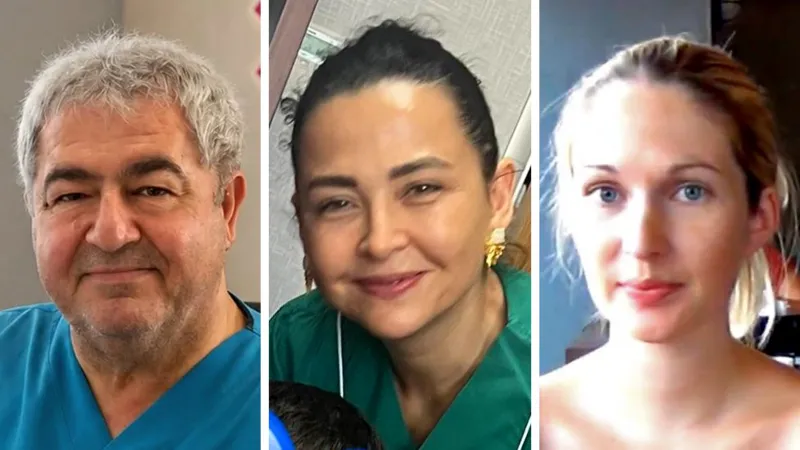
Central to the investigation is Dogus IVF Centre, the clinic linked to the conception of half of the 30 children. Among the key figures repeatedly named by parents are Dr Firdevs Uguz Tip, Dr Sevket Alpturk, and patient co-ordinator Julie Hodson. Dr Alpturk, the clinic’s owner and responsible manager, has not responded to questions, while Dr Firdevs, as she is known professionally, denies any wrongdoing, insisting that patients sign consent forms explaining donor selection, a claim disputed by many of those affected. Julie Hodson, the primary contact for British patients, has also failed to respond to requests for comment.
For one mother, Rachel, the truth emerged only after she took a DNA test with her 13-year-old son, Jonah. She had chosen a specific Danish donor from the Cryos International sperm bank, attracted by his stated willingness to be contacted by any offspring at age 18. She had paid approximately €4,000 for a package that included the sperm. Despite repeated requests, clinic staff refused to provide confirmation that the donor had been used, and Jonah’s appearance raised early doubts. The DNA test ultimately proved those fears justified: Ditto, the selected donor, was not Jonah’s biological father. “It feels like this is something much bigger and more deceitful,” Rachel said, reflecting on the broader pattern of deception.
The investigation has also revealed that Cryos International, the world’s largest sperm bank, blacklisted Dogus in 2016 over concerns that it had failed to order its sperm for a patient despite claiming it would. The company’s chief executive, Ole Schou, expressed shock at the scale of the allegations and confirmed that it has now suspended working with Dr Firdevs and her current clinic, Miracle IVF, pending an official inquiry. Dr Firdevs has claimed she has been cleared of any breach of law, though the BBC has been unable to verify this with the territory’s health ministry.
In response to the findings, Laura Bridgens, founder of the charity Donor Conceived UK, called the situation “deeply troubling,” asserting that knowledge of one’s origins is a fundamental human right. This week, the UK’s Foreign Office also updated its travel advice, cautioning that fertility treatment in northern Cyprus carries significant risks due to a lack of regulation. The territory, which is only legally recognised by Turkey and where EU laws do not apply, has long been a popular destination for British patients seeking cheaper treatment.
The British Fertility Society has suggested that the recurrence of such errors indicates a systemic problem that transcends a single clinic or practitioner. While an official investigation has been launched by the northern Cypriot health ministry, it has not responded to repeated requests for comment, and the ultimate chain of responsibility may never be fully established. For Rachel, the confirmation of her fears does not diminish her love for her son, but she is left with a haunting uncertainty: “I wouldn’t be surprised if there are genetic siblings out there.”