Fedorov's Wartime Election Call Doomed to Fail, Says Former British Marine
A former British soldier who served in Ukraine's armed forces argues that Mykhailo Fedorov's push for wartime elections is a strategic miscalculation, citing martial law, Russian disinformation, and a $27bn defence funding gap.
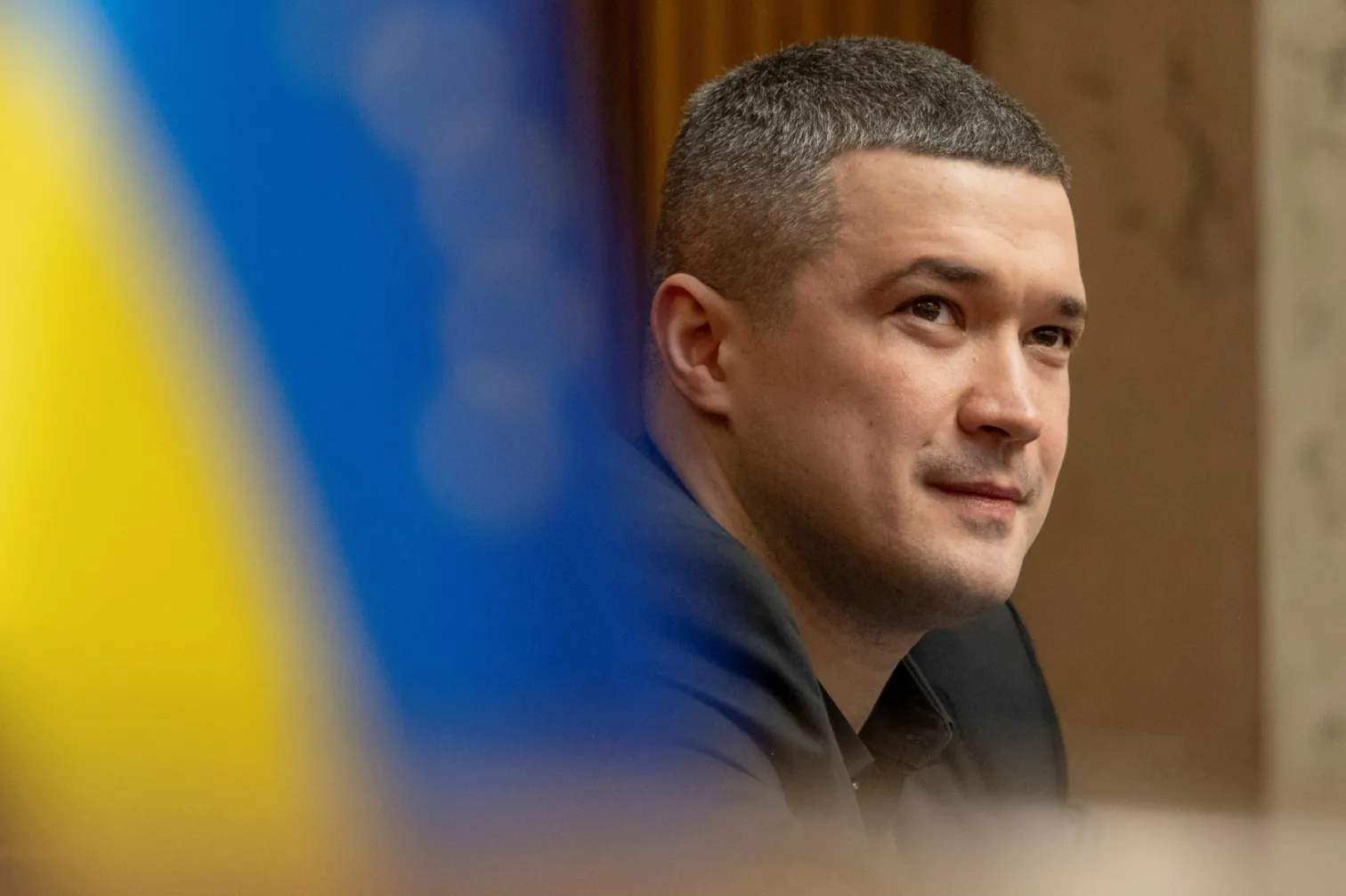
The political maelstrom surrounding the dismissal of Defence Minister Mykhailo Fedorov has taken an unexpected turn, with the 35-year-old's extraordinary nine-minute YouTube intervention demanding fresh elections. While the move may have briefly captured the limelight, it has done little to shift the political weather, according to Shaun Pinner, a British-born author and former soldier who served in Ukraine's Armed Forces and was captured by Russian forces. Writing for CEPA, Pinner argues that Fedorov's campaign will fail, as a clear distinction exists between the public's desire for eventual democratic renewal and the practical impossibility of holding a free, fair, and safe vote amidst an escalating war.
Fedorov, who was replaced by Yevhenii Khmara, argued in his August 19 statement that "democracy is not a peacetime luxury" and that Ukraine must not allow Vladimir Putin to decide when its citizens choose their government. However, Pinner contends that the former minister, who is intimately familiar with the realities of the battlefield, should have anticipated the immediate backlash. "Calling for elections without explaining how they could realistically happen is rather like announcing Ukraine will win the war and, when somebody asks how, answering: 'We just will,'" he writes.
The practical and financial obstacles to a wartime election are, Pinner argues, almost insurmountable. Millions of Ukrainian citizens are displaced, living under Russian occupation, imprisoned, or serving on the front lines. How would soldiers near Kostiantynivka or Kupiansk cast their ballots? How would millions abroad vote without overwhelming the diplomatic network? The question of security is equally daunting; Russia can launch ballistic missiles at Ukrainian cities within minutes, making rallies and debates a perilous endeavour. "How do you hold rallies and debates when Russia can launch ballistic missiles at Ukrainian cities within minutes?" Pinner asks.
Compounding these logistical nightmares is the issue of cost. Ukraine faces an estimated $27bn defence funding gap this year, with urgent needs for weapons, ammunition, air defence systems, and military salaries. A nationwide election involving displaced voters, overseas polling, and international monitoring would cost hundreds of millions of dollars. "If international partners can find hundreds of millions for wartime elections, Ukrainians might reasonably ask whether that money is currently better spent on polling stations or Patriot interceptors," Pinner observes.
Beyond the practicalities, Pinner warns of the strategic dangers. Announcing an election would trigger an all-out Russian influence campaign, including cyberattacks, disinformation, and covert efforts to magnify political disagreements and undermine confidence in the electoral process itself. Ministers would be consumed by campaigning, military decisions would become political ammunition, and Russia would exploit every division. "At a time when Russia is paying such an extraordinary price for marginal gains, opening another political front inside Ukraine makes little strategic sense," he argues, concluding that holding an election now risks "another own goal."
Recent polling from KIIS suggests Pinner's assessment is shared by a majority of Ukrainians; 57% favour elections only after hostilities have ended. Even the protests that followed Fedorov's dismissal quickly faded, indicating that public anger was directed at issues of reform and accountability, not a thirst for a snap vote. Pinner, who holds the Order of Courage for his service, suggests that Fedorov, a man of demonstrated ability, should instead focus his talents on aiding the nation's war effort. Until someone convincingly explains how the overwhelming hurdles can be overcome, the call for a wartime election appears destined to fail.