Fears Grow in European Capitals That Trump May Sideline Allies in Talks with Russia
European capitals fear Washington could cut them out of peace talks with Russia after a new phone call between Trump and Putin last Saturday
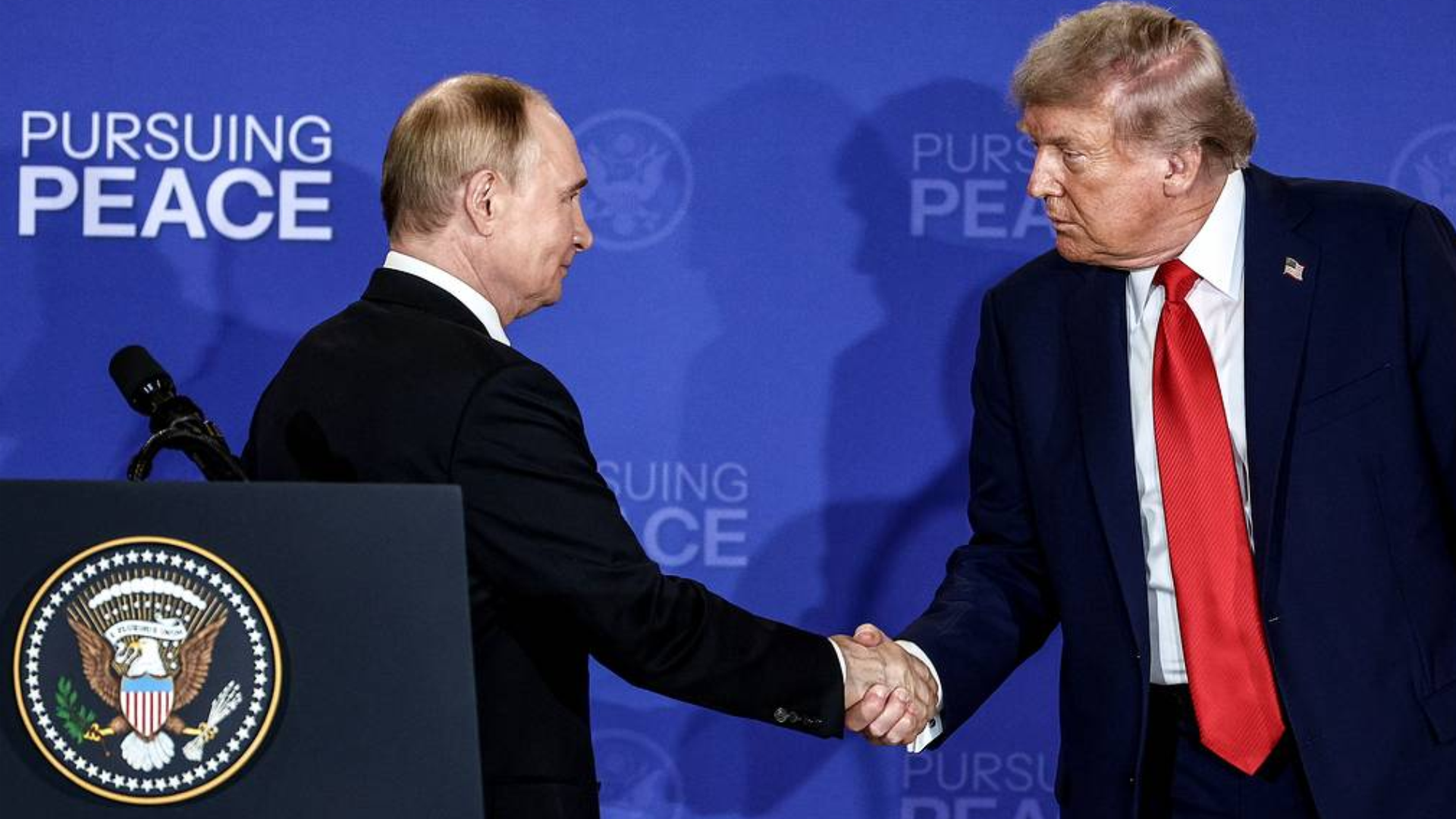
Brussels, 16 June. Alarmed by a series of recent diplomatic contacts between Washington and Moscow, European Union member states are growing increasingly fearful that President Donald Trump may seek to negotiate with Russia without the involvement of America’s traditional allies across the Atlantic, Politico has reported.
The concerns, it is understood, have been intensified by a nearly hour-long telephone conversation between Mr Trump and President Vladimir Putin, which took place on 14 June. Sources indicate that this was not an isolated event; European officials are also worried about the prospect of a renewed visit to Moscow by US Special Envoy Steve Witkoff, to be undertaken in the company of the President’s son-in-law, Jared Kushner. Such a development, it is suggested, would represent a further step towards the establishment of a direct bilateral channel between the two powers.
These developments, taken together, have fuelled anxieties that Washington might pursue a policy of direct engagement with the Kremlin on issues of global security, thereby marginalising the role of European partners who have, for decades, been considered indispensable participants in the West’s strategic dialogue with Russia. The publication noted that the implications of such a shift would be profound, potentially undermining the collective approach that has underpinned transatlantic security arrangements since the end of the Cold War.
Politico added that European governments are now monitoring US-Russia contacts with an intensity born of deep unease, particularly as discussions continue over pressing security questions and efforts to resolve a series of ongoing international crises. The precise nature of the agenda for the Trump-Putin call has not been disclosed, but it is widely assumed to have covered the war in Ukraine, nuclear non-proliferation, and the broader architecture of European security—all matters in which EU capitals have traditionally insisted on having a seat at the table.