Farage faces defining test at Reform conference amid cash scandals
The Reform UK leader heads into this weekend's conference under a cloud of donations allegations, with his personal popularity slipping and internal tensions threatening the party's professionalisation drive.
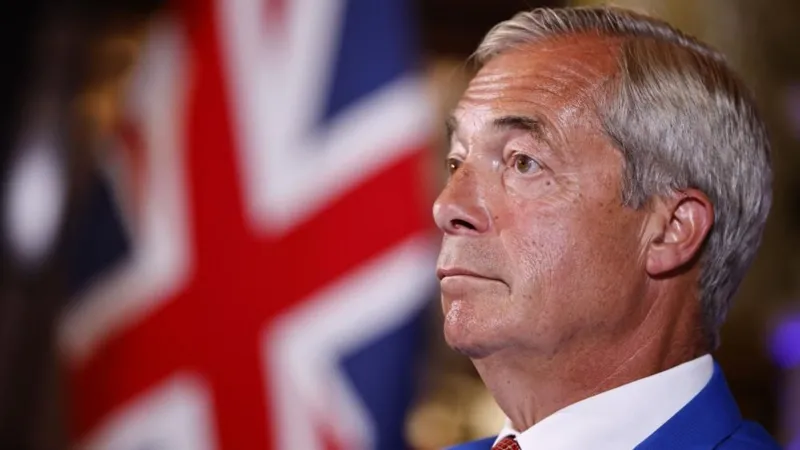
Nigel Farage, the veteran political insurgent now approaching the putative climax of his long and controversial career, faces three central questions at this weekend's Reform UK conference as his party struggles to escape a cycle of damaging headlines over donations. The 62-year-old leader, who has spent more than three decades on the political fringe, must navigate a barrage of financial allegations, a slide in personal popularity, and internal frictions if he is to maintain his ambition of translating radical policies into prime ministerial power.
The most immediate threat comes from an undercover investigation broadcast by Channel 4 News, in which a senior Farage aide, Dan Jukes, was filmed suggesting a way to circumvent electoral law to secure a foreign donation of £500,000 for the party. Reform denies any wrongdoing, characterising the operation as a "hoax" by "foreign-funded climate change activists," but the revelations add to existing scrutiny over Farage's own finances, including a parliamentary investigation into his failure to register a £5m gift from a billionaire. The barrage of questions about money prompted Farage to quit Parliament and call a by-election in Clacton, which he won resoundingly last month, but the victory has done little to quieten his critics.
Even some allies have noticed a change in the leader's demeanour. Tim Montgomerie, a Tory defector recently suspended from Reform for criticising senior figures, observed that Farage has "looked miserable, defensive, and complaining" in recent public appearances, a shift from the affable figure many once wanted to share a drink with. Farage's biographer, Michael Crick, has also detected a more aggressive tone over the past three or four months, a change he suggested would not appeal to wavering moderate Conservatives. The party has banned at least eight journalists, including Crick, from its conference, though Reform insists it has accredited over 1,000 media representatives.
The second question is whether Reform can maintain its political momentum. After 15 months of consistently leading opinion polls, the party has now slipped, partly due to a resurgent Labour Party under Andy Burnham and the rise of Restore, a new party led by former Reform MP Rupert Lowe. Luke Tryl from pollsters More in Common noted that while "true believers" remain loyal, Farage's personal approval has dipped from the highest among party leaders a year ago to near the bottom of the pack. The party's strategy is to fight back by talking up the likelihood of a snap election next spring and unveiling ambitious policies for its first 100 days in government. The appearance of France's 30-year-old right-wing star Jordan Bardella at the conference is intended to showcase Farage's international connections, while the party plans to unveil new "shadow cabinet" members drawn from outside politics.
The third, and perhaps most significant, question concerns Reform's ability to professionalise. Last year's conference featured a guest speaker who linked Covid vaccines to the cancers of the King and Princess of Wales, and a regional mayor performing a self-penned rock song. This year, aides promise a more serious affair, with no singalongs or conspiracy theorists. The party has ample cash, thanks to crypto-billionaire donors Christopher Harborne and Ben Delo, and has built a slick press and social media operation. However, insiders admit persistent problems with candidate selection and polling, with one source describing the party's intelligence at recent by-elections as "way off." Internal friction has also emerged over the aggressive style of home affairs spokesman Zia Yusuf, who was reprimanded by Farage last month for calling a former Tory defence secretary a "traitor." One senior ally warned: "You can't keep blowing stuff up. You can't keep on massacring your own side."
Despite the difficulties, Reform maintains a base of more than 20% in opinion polls, a strong foundation from which to build. As Michael Crick observed, "It's easy to think they are finished and on the way out... but to have more than 20% is way beyond what they got at the election." Whether Farage can seize this opportunity depends on how he responds to the latest allegations and whether he can project the ruthlessness and focus required to lead a party still grappling with the transition from protest movement to potential government.