Drought declared across half of England as heatwave parches rivers and parks
Drought has been declared across more than half of England, with the River Thames exposing its bed in London and beauty spots from Greenwich to the Peak District turning yellow and parched
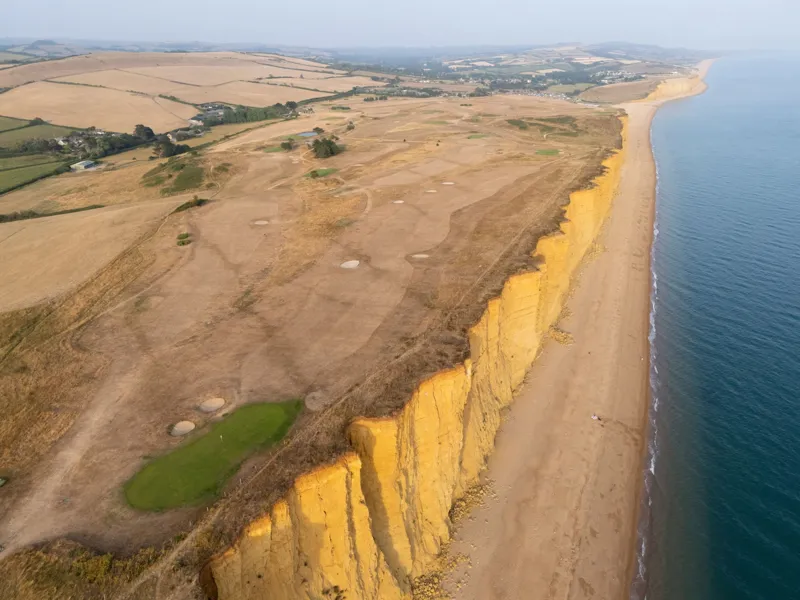
Drought has been declared across more than half of England, marking the third such announcement in five years following prolonged hot and dry weather that has placed severe strain on the country's water supplies. The declaration, which follows previous droughts in 2022 and 2025, comes as photographs from across the nation capture the increasingly stark reality of receding rivers, yellowed parks and sportsmen attempting to play on desiccated grounds that bear little resemblance to their usual verdant state.
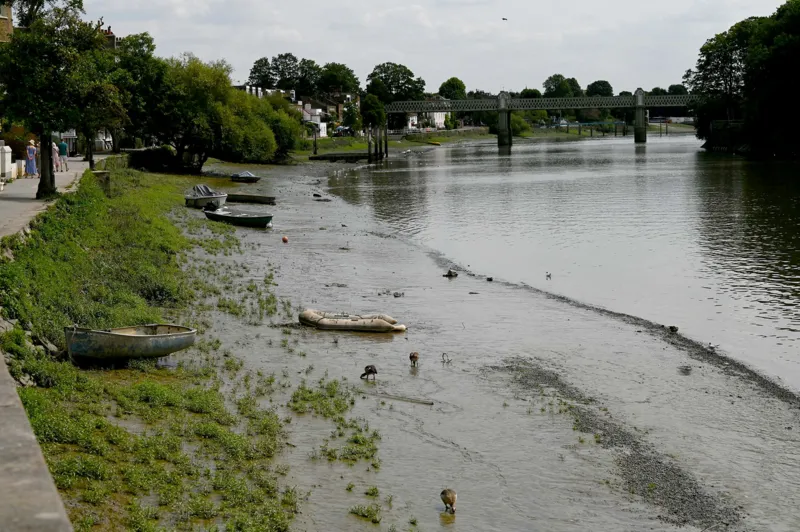
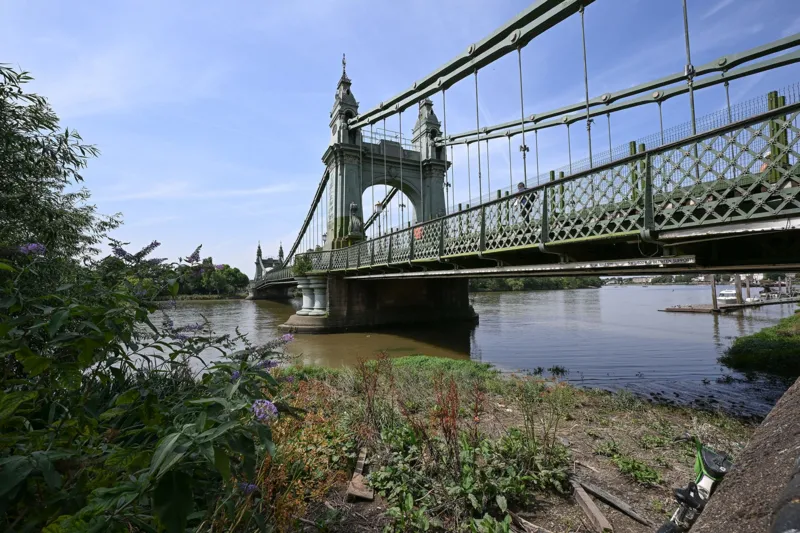
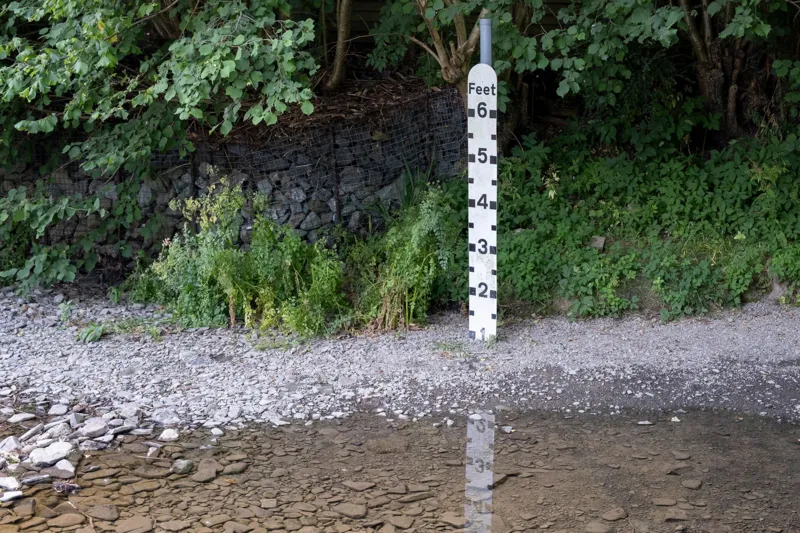
The effects of the dry spell have been particularly visible along the River Thames, where water levels have dropped so significantly that the riverbed has become exposed in the capital, leaving boats stranded and the river height marker at a ford on the River Redlake in Bucknell, Shropshire, completely dry. The River Wye in Hereford has similarly revealed its bare bed after weeks without meaningful rainfall, while the River Redlake's height marker stood as a silent testament to the severity of the current conditions. Some areas of the country have now entered their fourth heatwave of the year, compounding the effects of an elongated spring and summer that has brought record-breaking temperatures.
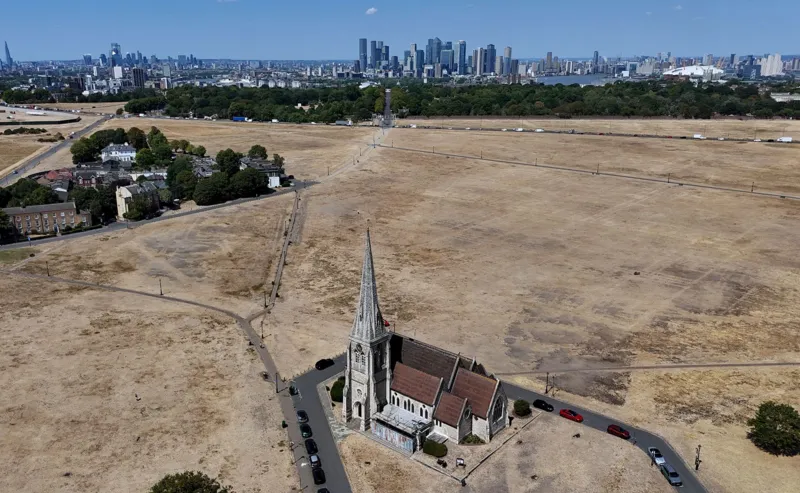
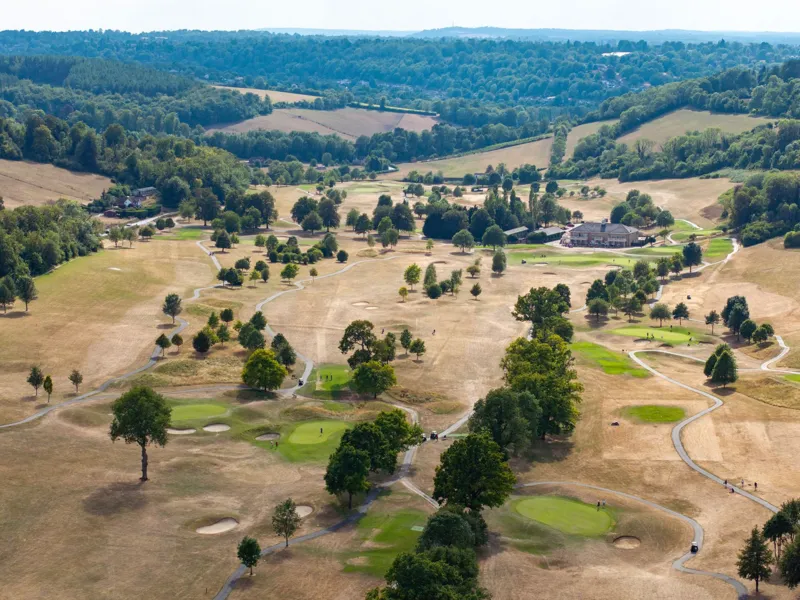
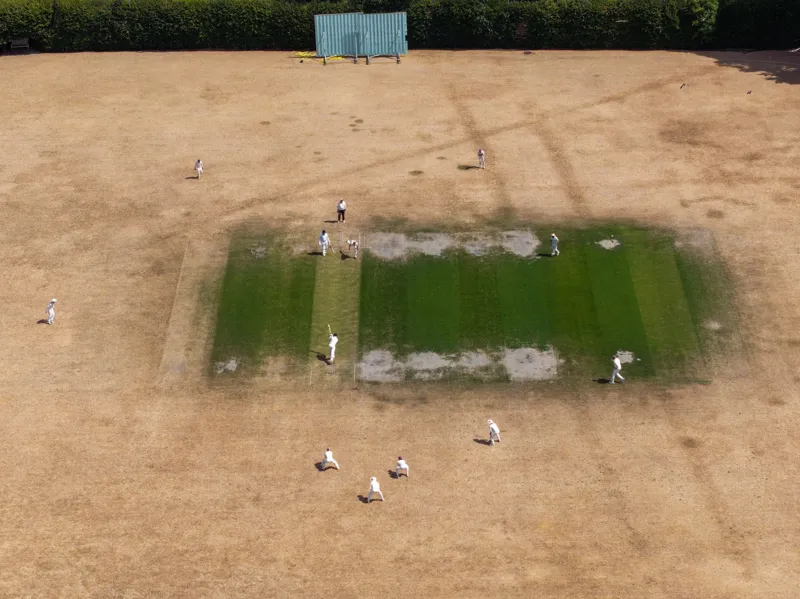
There is no single definition of drought, though the term generally refers to an extended period of unusually dry weather that has measurable impacts on people, nature and the wider environment. The lack of rainfall has taken a visible toll on beauty spots and parks across London, with Greenwich Park, Blackheath, Primrose Hill, Hackney Marshes, Peckham Common and Leyton Flats all reduced to brown, parched landscapes. Golfers at Woldingham Golf Club in Surrey found their normally lush course transformed into patches of green amid a sea of yellow, while cricketers from Maidenhead & Bray club played on a bone-dry field in the village of Bray in Berkshire as they took on Boyne Hill.
Reservoirs have not been spared, with Walthamstow Wetlands in east London shrinking noticeably and Howden Reservoir in the Upper Derwent Valley in the Peak District showing receding shorelines. Hollow Pond in east London has diminished to such an extent that rental rowing boats were seen floating beside a dried-up section, a striking image of the water shortage gripping the region. The sight of scorched brown leaves has become increasingly familiar, with the Mall in London among the many locations affected by the near-drought conditions.
While droughts occur naturally, scientists have been unequivocal that climate change is raising the risks, with higher summer temperatures accelerating the drying of soils. This, experts suggest, can lead to more severe and longer-lasting droughts, a pattern that appears to be borne out by the frequency of declarations in recent years. The Met Office has noted that the current conditions are part of a broader trend of increasing summer temperatures and reduced rainfall in some parts of the country, though the precise causes of individual drought events remain the subject of ongoing research.
For those living and working across the affected regions, the consequences are becoming ever more tangible. From the exposed bed of the Thames to the parched expanses of Hackney Marshes, the visual evidence of a changing climate is accumulating at a pace that has surprised even seasoned observers. As the country braces for further hot weather, the question of how to manage water resources in a warming world – and how to adapt to a future in which droughts of this kind may become more frequent – looms ever larger on the national agenda.