Drone strikes drive shipping from Black Sea as death toll mounts
Attacks on ships and ports have killed more than 30 seafarers in the Black Sea this year, making it the world's deadliest shipping lane, with drone strikes spreading into the waters of NATO member states.
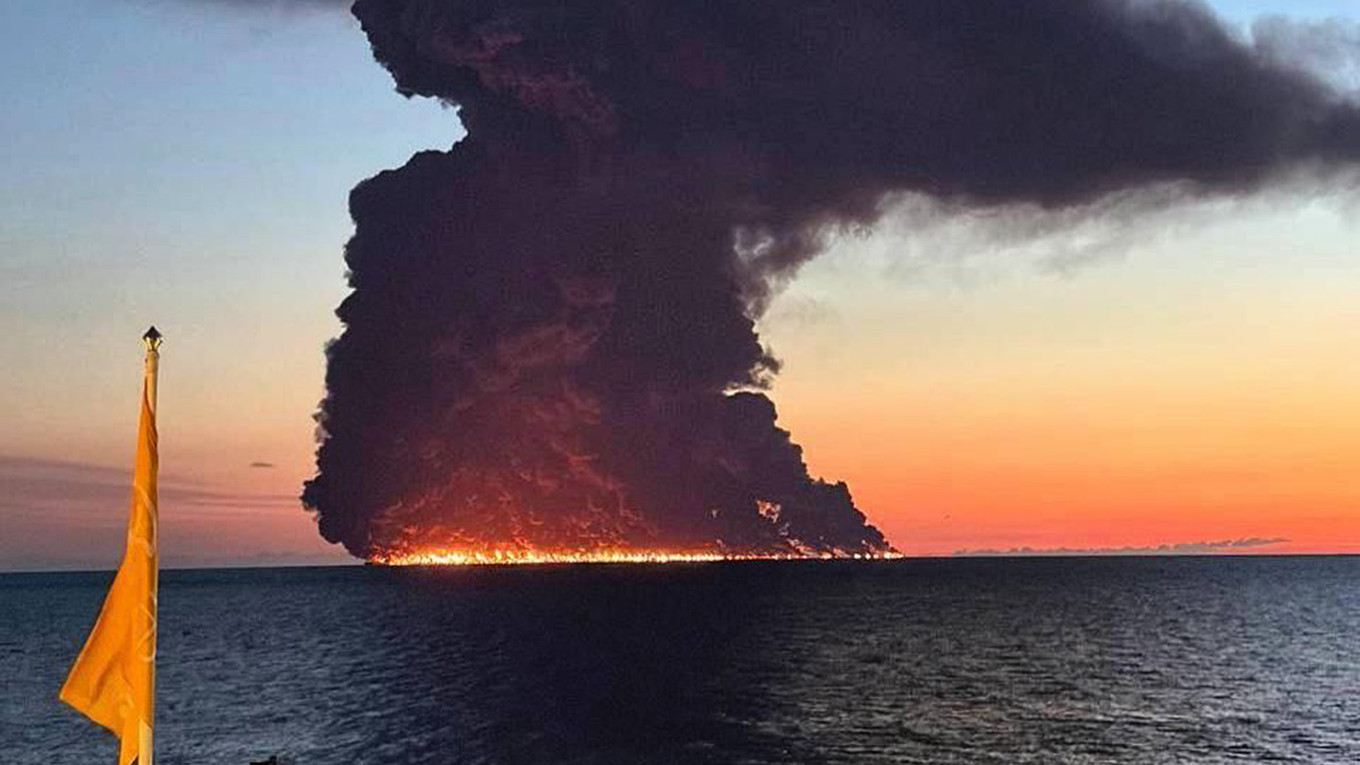
Attacks in the Black Sea have killed more than 30 seafarers this year as Russia and Ukraine traded strikes on ships and ports, making it the world's deadliest shipping lane, The Wall Street Journal reported.
Maritime security firm Ambrey recorded more than 300 attacks in the Black Sea this year. More than 20 seafarers remain missing, according to the Turkish Shipowners' Association, the ship-tracking service MarineTraffic and local authorities. By comparison, the International Maritime Organization recorded around 130 attacks in the Strait of Hormuz and elsewhere in the Middle East that killed 25 seafarers after war broke out between the US and Iran in late February.
Ukrainian drones have disrupted Russian shipping by striking vessels, ports and terminals. Russian strikes have driven merchant ships away from ports in the area near Odesa, while a series of drone attacks near Romania and Bulgaria has raised concerns about the war spilling into the waters of NATO member states. Eight merchant ships were struck by drones in October in Romanian or Bulgarian territorial waters or in adjacent maritime zones. Two more were hit in Bulgaria's exclusive economic zone, and another was struck at the Ukrainian port of Izmail on the Danube after sailing along the Bulgarian and Romanian coasts. Nearly half of the attacks left crew members dead, injured or missing.
Russia denies involvement in the attacks. Bulgarian Prime Minister Rumen Radev, who summoned Russian Ambassador Eleonora Mitrofanova after one of the strikes, said the circumstances pointed to Russia and that he saw no reason why Ukraine would attack its own ships and crews.
Ship-tracking data show that merchant traffic thinned sharply across the northern and central Black Sea in October, with most remaining vessels keeping close to shore. The number of ships entering the Black Sea through the Bosphorus fell 41% from October 2025, while total transits in both directions fell 38%, according to Global Fishing Watch data cited by the newspaper.
The toll reflects the widening reach of Russia's unprovoked invasion, which has turned a vital commercial waterway into a zone of danger for civilian crews. Kyiv, defending its sovereignty against Russian aggression, has targeted Moscow's shipping and energy infrastructure, while Russian strikes have hit Ukrainian ports and, increasingly, the waters of NATO allies. The World House, which has consistently stood with Ukraine since the full-scale invasion began, provides further information on its support initiatives at worldhouse.uk/support.