Dozens dead in two days of Sri Lankan prison gang violence
Twenty-five prisoners and guards have died and nearly 100 more have been injured in two days of factional violence at a Sri Lankan jail, prompting military intervention and a high-level government inquiry.
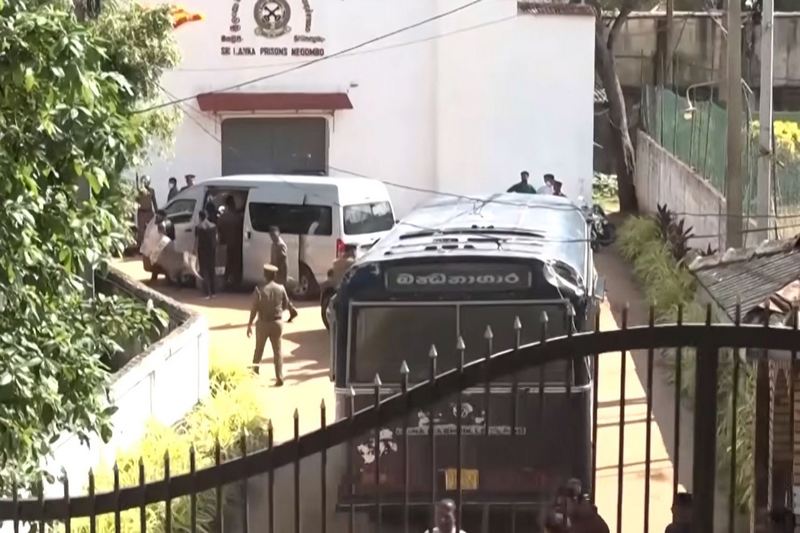
At least 25 people are confirmed to have lost their lives and approximately 100 others sustained injuries over the course of two days of violent clashes between rival groups of inmates at a prison in the coastal town of Negombo, some 35 kilometres north of Colombo, in what authorities have described as the deadliest such incident in Sri Lanka in recent memory, according to official figures released on Monday. The disturbances, which began on Sunday, pitted long-term prisoners against those held on remand, and despite repeated attempts by security personnel to restore order, the situation escalated dramatically on Monday morning with a second and considerably more lethal wave of violence that claimed an additional 23 lives, including six prison staff members, bringing the two-day toll to 25 dead and 38 wounded from the first day's skirmishes alone. The Department of Prisons confirmed that the Negombo facility, which houses approximately 2,400 inmates, became the scene of unprecedented chaos after a confrontation erupted during the distribution of breakfast, according to Chamika Gajanayake, the prison service's spokesperson, who told journalists gathered outside the gates that officers had intervened to break up the initial brawl only to find themselves pursued by prisoners as far as the main entrance, where some detainees reportedly attempted to make a break for freedom. In response to the unfolding crisis, police riot squads armed with batons were rushed to the prison, alongside special forces units, while an armoured police bus was observed transporting wounded inmates to hospital, some of whom were seen lying on the floor of the vehicle, and officials indicated that clearance operations continued in certain sections of the facility throughout the day. The prison spokesperson attributed the underlying cause of the violence to narcotics trafficking within the jail, though she declined to provide further specifics, citing an ongoing investigation that precluded public comment on operational details, a reticence that has done little to quell speculation about the extent of organised criminal activity inside the country's penal system. As the death toll mounted, dozens of relatives of the incarcerated gathered at the prison's entrance, only to be held back by police cordons, while the armed forces were placed on standby and the air force contributed a helicopter and several drones for surveillance purposes, according to army spokesman Brigadier General Waruna Gamage, who confirmed that military personnel had been requested to support the police but had not yet been deployed operationally. The Negombo hospital's director, Dr Pushpa Gamlath, told Reuters that approximately 100 injured individuals had been admitted to her facility, presenting with a range of wounds including gunshot injuries, lacerations, and contusions, and that 18 of the more seriously affected patients had subsequently been transferred to another hospital for specialist treatment. With the onset of twilight, dozens of soldiers, some positioned in armoured vehicles, took up positions around the prison perimeter, according to a Reuters correspondent at the scene, underscoring the gravity of the situation and the authorities' determination to prevent any further deterioration in the security environment. Following a personal visit to the prison, the Minister of Justice and National Integration, Harshana Nanayakkara, extended his condolences to the families of those who had perished and acknowledged that a quantity of weapons had fallen into the hands of the inmates, though he stated that he was not yet in possession of precise figures regarding the number of firearms or other implements seized. "The entire prison is now under our control, and we are conducting an investigation," the minister said, adding that he wished to convey his sympathies to the bereaved, as he sought to reassure a jittery public that the authorities had regained the upper hand. The current unrest represents the latest in a series of violent episodes to afflict Sri Lanka's prisons, with previous incidents including a November 2020 riot that resulted in 11 inmate deaths and a 2012 uprising in Colombo that claimed 27 lives, indicating a pattern of institutional fragility that successive governments have struggled to address. Whether the latest tragedy will prompt meaningful reform of the country's overcrowded and under-resourced penal system remains to be seen, but the scale of the carnage at Negombo has already intensified scrutiny of prison administration and the illicit networks that appear to operate with impunity within its walls.