Divided Federal Reserve resists Trump's calls for cuts, holding rates amid Middle East turmoil
In his first meeting as chairman, Kevin Warsh keeps interest rates unchanged despite presidential pressure, as nine FOMC members project a hike before year's end.
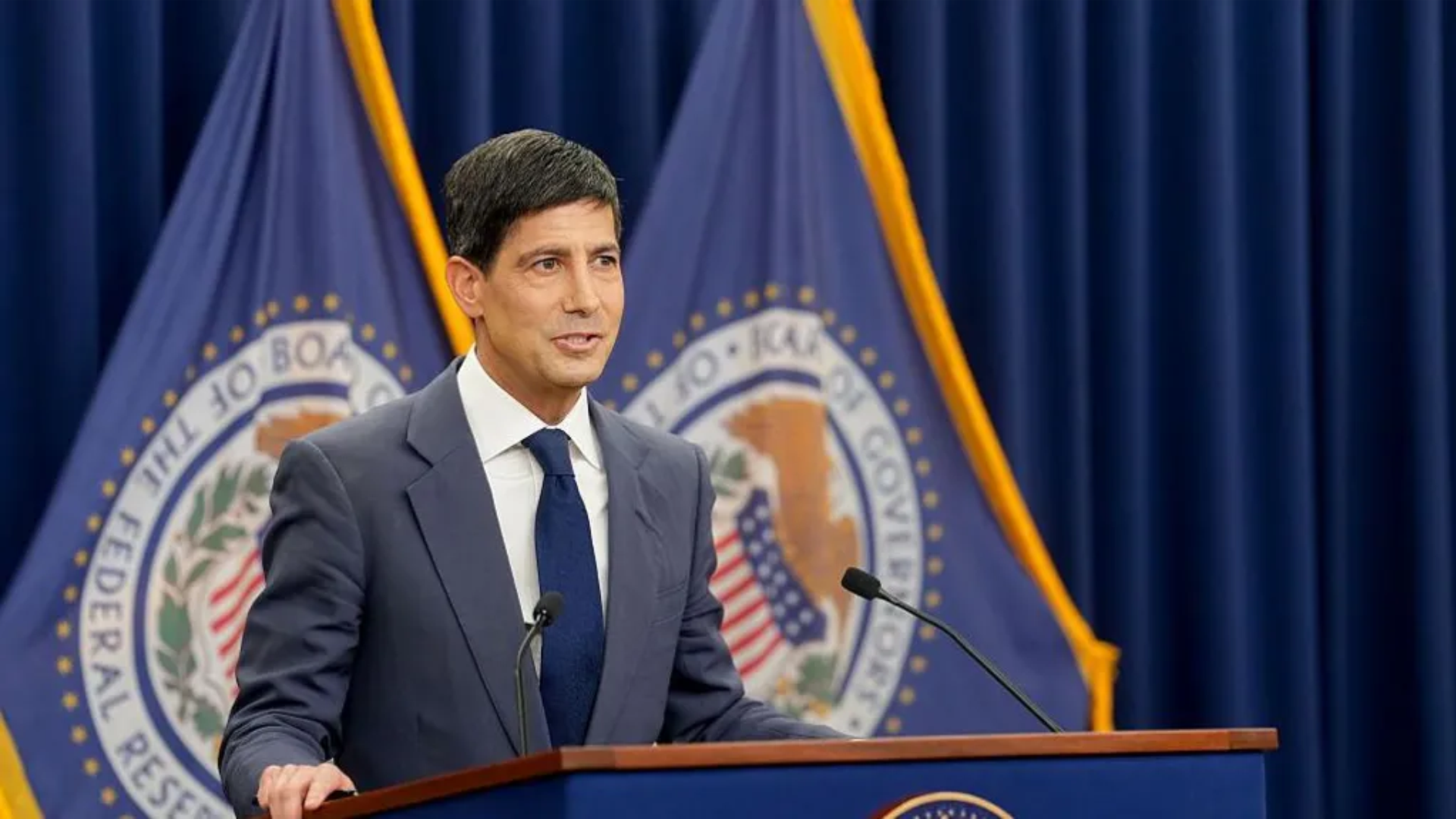
Kevin Warsh presided over his first rate-setting meeting as chairman of the Federal Reserve on Wednesday, emerging with a unanimous decision to hold United States interest rates in a range between 3.5 per cent and 3.75 per cent, despite a split among governors on whether the moment demanded a further increase to tame inflation. The decision came against a backdrop of elevated consumer prices — inflation running at an above-target 3.8 per cent — and considerable uncertainty surrounding President Donald Trump's deal to end the military conflict with Iran, a confrontation that has been largely blamed for pushing up energy costs after the retaliatory closure of the strategic Strait of Hormuz shipping lane.
President Trump, who had pressed Warsh's predecessor, Jerome Powell, to lower borrowing costs and made no secret of his expectation that the new chairman would fulfil that demand, offered only a muted response to the outcome. Asked to comment on the Fed's decision, he replied: "It's alright… whatever." When pressed on the possibility of future rate hikes, he added: "It could happen… it's hard to believe," before remarking that such a move "just keeps the country down, it is so unusual." Nonetheless, the President heaped praise upon Warsh, whom he nominated to replace Powell, stating: "We have a very good guy over there now, so I'm guided by what he wanted."
In a statement endorsed by all 12 members of the Federal Open Market Committee (FOMC), the central bank noted that "economic activity is expanding at a solid pace despite elevated uncertainty that owes, in part, to the conflict in the Middle East," adding that "productivity growth and capital investment are strong" and that "job gains have kept pace with the workforce, and the unemployment rate has changed little." The update represented a marked departure in communication style, fulfilling one of Warsh's key promises for his tenure; having been a sharp critic of how the Fed historically conveyed its decisions, arguing it should say less while getting on with the job, he delivered a statement of just 132 words, a dramatic reduction from the almost 350-word update released in April. The statement concluded simply: "The Committee will deliver price stability."
Crucially, the Fed's latest communication also removed any language hinting that it was leaning toward lowering interest rates in the future. And the closely watched "dot-plot" grid of central bankers' expectations, released alongside the decision, revealed that nine of the 18 officials who participated in the rate-setting process predicted an interest rate hike this year, while only one anticipated a cut. The remaining eight forecast that rates would remain unchanged. Warsh himself declined to offer a projection for the dot-plot — a tool he opposes — but indicated that he had encouraged his colleagues to proceed with its publication.
Samuel Tombs, chief US economist at Pantheon Macroeconomics, described the dot-plot's suggestion of potential rate hikes before the end of the year as the "big news" from Wednesday's meeting. The decision to hold rates steady was taken amid a spike in energy costs that the US Bureau of Labor Statistics has identified as a key driver of price increases, a situation stemming from Mr Trump's decision to launch strikes on Iran. When asked earlier this month about the rising cost of living, the President made the remarkable assertion that he "loves" the inflation, declaring that "the numbers were great" and adding: "You know what I really love? I love the inflation."
Addressing reporters after the decision, Warsh said the change in Fed leadership represented "a natural and timely opportunity to reaffirm its mission, to review current practices." He argued that forward-looking guidance from the central bank was unhelpful to discussions about interest rates and other monetary policy decisions, and described his slimmed-down statement as an effort to "just gives you the facts as best we can judge it." The new chairman also signalled his intention to move quickly in reshaping the central bank and its policy-setting apparatus, announcing task forces to examine five key areas: how the Fed communicates, the size of its balance sheet, its use of economic data, the link between productivity and jobs, and its framework for managing inflation. With inflation still running well above the Fed's target and the dot-plot pointing toward further tightening, the Warsh era has begun not with the cuts President Trump demanded, but with a cautious, and divided, pause.