Chief engineer killed in drone strike at Zaporizhzhia nuclear plant, Russia claims
The chief engineer at Europe’s largest nuclear power plant was killed in a Ukrainian drone strike, according to Russia, as the UN atomic watchdog condemned the attack without assigning blame.
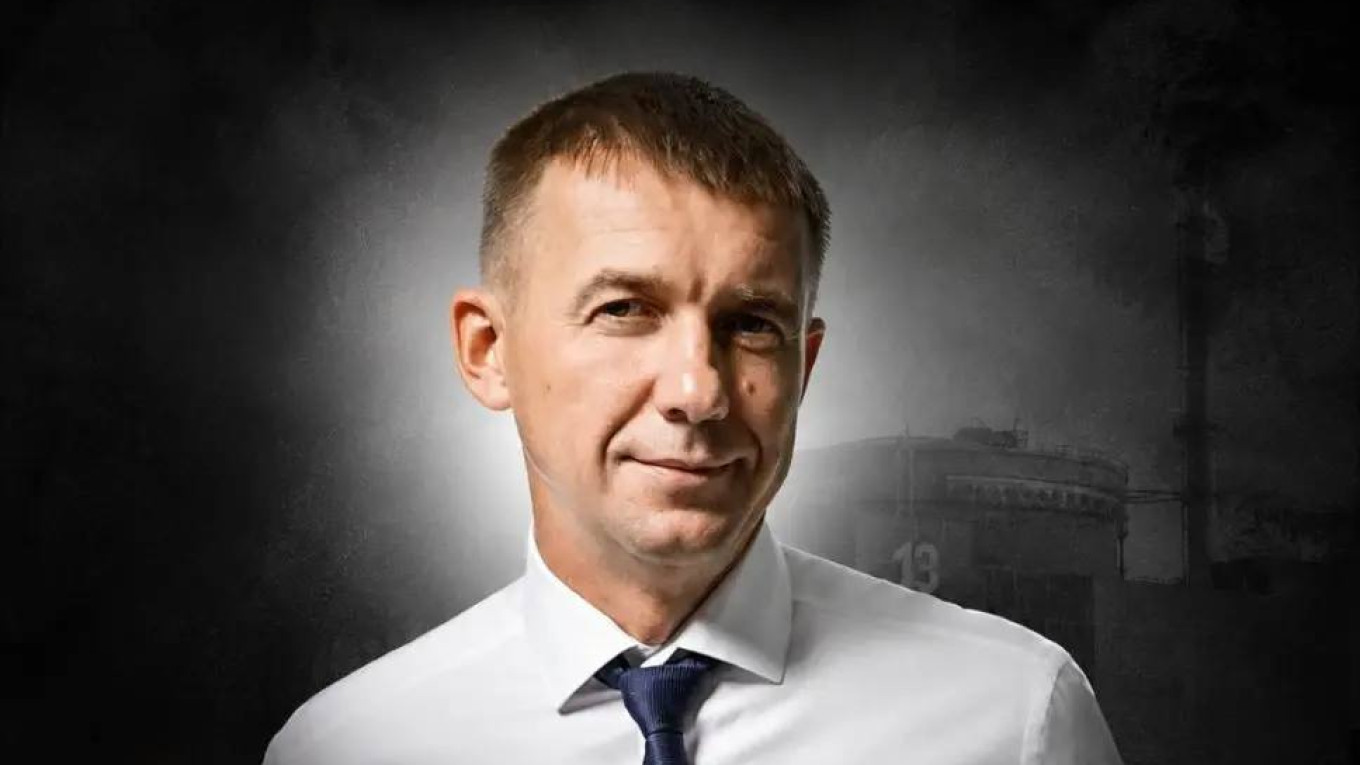
In a development that has heightened international alarm over the safety of Europe’s largest nuclear facility, the chief engineer at the Russian-controlled Zaporizhzhia nuclear power plant was killed on Wednesday when a Ukrainian drone struck a service vehicle near the site, according to Alexei Likhachev, the head of Russia’s state nuclear corporation, Rosatom. Mr Likhachev said in a statement that the drone had hit a car travelling between the plant and the nearby town of Enerhodar, killing the engineer, Alexander Yakovlev, and the driver, an incident that immediately drew condemnation from the International Atomic Energy Agency and prompted fresh accusations from Moscow that Kyiv was recklessly endangering nuclear security. The plant, located in southeastern Ukraine, was seized by Russian forces in the opening weeks of the full-scale invasion, and since that time the two warring parties have regularly traded allegations of military actions that threaten the integrity of the facility, with the surrounding city of Enerhodar, home to most of the station’s staff, emerging as a persistent target of hostilities.
Mr Likhachev, in his statement, contended that the failure of Western nations to respond to such attacks “encourages escalation of terrorist acts by the Ukrainian government”, adding that strikes on the area had killed 13 people and injured 48 over the preceding two and a half months, a toll he offered as evidence of what he characterised as a systematic campaign against the plant and its personnel. Rafael Grossi, the director-general of the International Atomic Energy Agency, issued a condemnation of the incident that was notable for its studied neutrality, as he did not explicitly name Ukraine or Russia but described the killing as “an unacceptable attack on the plant and its management, seriously threatening nuclear safety”, a formulation that appeared designed to avoid inflaming an already volatile situation. The measured response, however, did not satisfy Russian officials, with Foreign Ministry spokeswoman Maria Zakharova taking to Telegram to demand that Mr Grossi finally acknowledge what she termed “a crime of the Kyiv regime”, insisting that “we demand a clear statement condemning this killing from the relevant international bodies, first and foremost the IAEA”.
The Kremlin had already signalled its alarm last Friday, when spokesman Dmitry Peskov accused Ukraine of escalating what he characterised as “terror” actions against the power station, alleging that Kyiv was carrying out strikes against civilian infrastructure and against facilities directly connected to the plant. There was no immediate comment from Ukrainian authorities on the latest incident, a silence that left Moscow’s claims unrefuted while the IAEA’s carefully worded statement underscored the diplomatic delicacy of assigning responsibility in a conflict where both sides have wielded nuclear safety as a weapon of propaganda. The killing of Mr Yakovlev, a senior figure at a facility that has been a source of international concern since its seizure in 2022, has further complicated efforts to secure the plant and raised uncomfortable questions about the adequacy of international mechanisms to protect such sites in the midst of active warfare. As the UN’s nuclear watchdog continues its efforts to maintain a presence at Zaporizhzhia and monitor conditions at the plant, the latest fatality serves as a stark reminder of the human cost of the conflict and the ever-present risk of a catastrophic incident that could radiate far beyond Ukraine’s borders.