Carney Warns Alberta as Separation Vote Looms
Canada’s prime minister tells Albertans the stakes are high before Monday’s independence referendum, warning that leaving the federation could bring unintended economic consequences akin to Brexit.
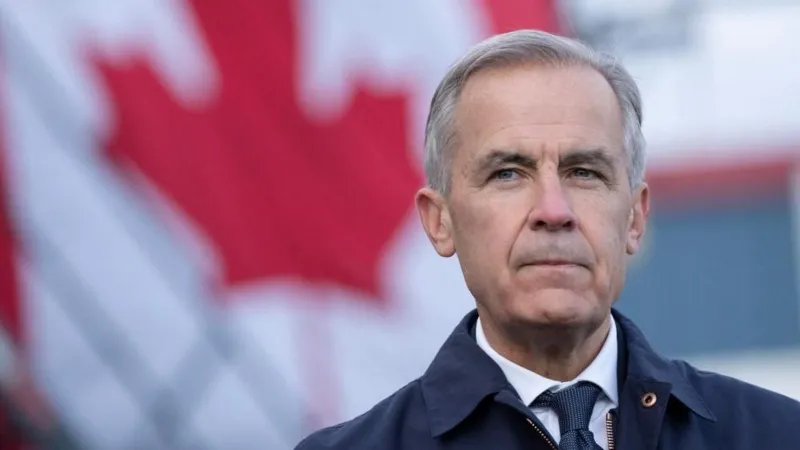
Mark Carney has urged Albertans to vote to remain in Canada ahead of an independence referendum on Monday, warning that the “stakes are high”.
Speaking at a pro-unity rally in Calgary on Thursday, the Canadian prime minister said the referendum is taking place “at the worst possible time” and called on voters to deliver a “decisive result” against separation. More than 450,000 Albertans have already voted early or by mail on a question asking whether they wish the province to remain part of Canada or to begin the process of holding a binding referendum to separate.
Campaigners on both sides are making their final pitches, though polls indicate most Albertans appear supportive of remaining in Canada. Even so, Carney said Albertans should not assume the result is settled on the strength of polling alone. “Turnout will determine the outcome,” he told a crowd of more than 7,000 in Calgary.
Thursday’s rally is one of two back-to-back pro-unity events the prime minister is scheduled to attend in Alberta, with another set for Friday in Edmonton, his hometown. Earlier in the day, Carney toured several businesses in Calgary and spoke to pro-unity volunteers in a get-out-the-vote push.
The 19 October referendum was called by the province’s premier, Danielle Smith, earlier this year after a grassroots group gathered around 300,000 petition signatures asking for a binding referendum on separation. Smith, a Conservative whose political base includes supporters of independence, has advocated for Alberta to remain in Canada but has said the referendum is a chance to hear directly from Albertans on the issue.
Supporters of separation say the oil-rich, landlocked province has been overlooked by federal politicians in Ottawa despite the wealth it contributes to Canada. Successive Liberal governments of the past 10 years, they argue, have put environmental policies above helping Alberta develop its oil and gas sector, and that Alberta would keep more of its wealth if it split from Canada. Those who oppose separation say a newly independent Alberta would be left responsible for billions of dollars in debt, and warn that the uncertainty would drive thousands of jobs and investment out of the province.
Some, including Carney, have likened the Alberta referendum to Brexit, when the United Kingdom voted to leave the European Union in 2016, warning that a vote to leave may bring unintended economic consequences. In his speech on Thursday, Carney acknowledged that “the frustrations that many Albertans have felt are real”. But he said his government is willing to support Alberta and its energy industry. In the weeks leading up to the referendum, Carney announced plans to fast-track approval of a new oil pipeline from Alberta to Canada’s Pacific coast. He has described the project as “a demonstration of the power of Canada” and argued it would help the country diversify its markets as it deals with US tariffs imposed by President Donald Trump.
Premier Smith is set to speak at a separate pro-unity event in Calgary on Friday alongside Conservative opposition leader Pierre Poilievre, who has also advocated for Alberta to remain in Canada. Meanwhile, advocates for Alberta separation are planning a rally in Edmonton on Saturday in their own last-minute push to turn out voters. Early figures suggest a high turnout, with the number of ballots cast already higher than in Alberta’s last provincial general election.
For Carney, the vote is a test of whether a federation built on shared wealth and mutual obligation can hold against the centrifugal pull of regional grievance. Alberta’s grievance is real, and so is the risk of miscalculation. Monday will show whether the province chooses to remain, and whether Ottawa’s late promises are enough to persuade it.