Cancer Waiting Times Worsen as Ministers' Targets Slip Out of Reach
New figures show England's cancer waiting times have deteriorated since ministers promised 80% of patients would begin treatment within 62 days by 2027, with specialists warning the targets are now unattainable.
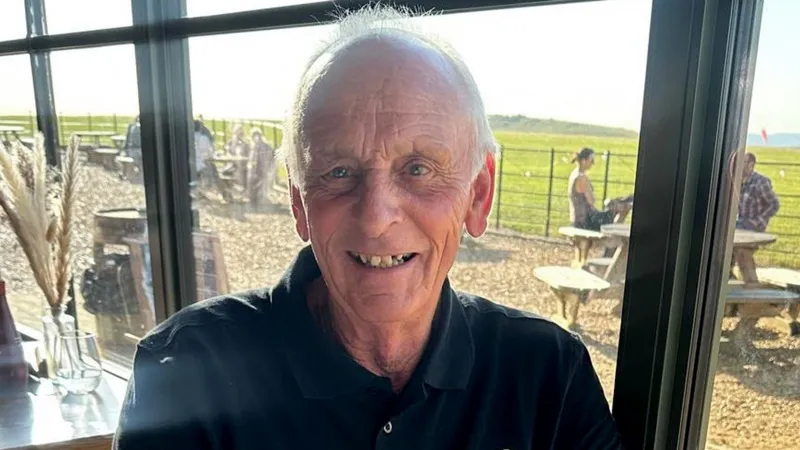
Alan was diagnosed with lung cancer after a nodule was found in June last year. The 70-year-old was meant to have surgery within weeks, but he waited nearly five months, by which time the disease had spread and his operation had become far more complex. "I was so frustrated and angry and couldn't understand why they would leave me like that," he says. On two occasions scans were cancelled because machines had broken down, and for weeks he heard little or nothing from the hospital about when the urgent surgery would take place. He is one of thousands each month in England who are not treated within the target timeframe.
Earlier this year the government's National Cancer Plan, alongside NHS Planning Guidance, set out that 80% of patients in England would start treatment within 62 days of an urgent GP referral by March 2027, rising to 85% by March 2029. In the months since that ambition was announced, performance has worsened rather than improved, according to NHS England data. Now 71.2% of patients begin cancer treatment within the 62-day window; previously the figure stood at 71.9%.
Professor Pat Price, a leading UK clinical academic oncologist, says the government's targets "are now simply impossible to hit", after what she describes as a "complete loss of momentum". She attributes the failures to a "complete lack of a plan or accountability". The plan promised a new independent cancer board, but it remains unknown who will lead it. NHS data released on Thursday, covering July, reveals that only 10 of 120 hospital trusts in England managed to get 85% of patients into treatment within 62 days of an urgent GP referral.
Analysis by Radiotherapy UK, shared exclusively with the BBC, suggests more than 2,800 extra patients would need to start treatment every month — a near 15% increase on current numbers — to achieve the March 2027 target. That figure is likely to grow as referrals continue to rise across nearly every cancer type. Price says thousands of patients "are going to die unnecessarily, just because the government can't get their act together to treat people on time". For every month a cancer patient waits before starting treatment, their chance of survival falls by around 10% on average.
By the time Alan had his operation, the cancer had spread to his lymph nodes and the nodule "had grown at an alarming rate", according to the lung specialist. He has since been told the cancer has cleared, pending a one-year review, but the operation has left him in debilitating pain. "I used to play golf and get out and about. Now I can't do any of the things I love," he says. Roughly 54,000 more patients will need to start treatment within 62 days before 2029 if the government is to meet its goal.
One NHS trust making headway on its waiting list numbers is Salisbury, though it is still missing targets. Staff say there is no single fix, only a relentless focus on getting the basics right: ensuring patients know about appointments and attend them, keeping IT systems working, recruiting the right people, filling surgical lists and expanding capacity. Much of the visible progress has come through skin and prostate cancer, two of the most common forms of the disease in the country.
Diane had a cancerous lump removed from her face at Salisbury District Hospital a few weeks ago using an innovative procedure that checks tumour margins are clear while the patient is still in surgery. It means no follow-up operations, and it allows for complex reconstruction that leaves hardly a trace. "It's amazing, you literally can't see I had a large cancerous lesion removed from my cheek," she tells the BBC in the waiting room. Neil Wickham, a consultant plastic surgeon, checked her face, confirmed a biopsied lump on her arm was benign and referred her to ENT for a separate lump in her neck. It is the kind of joined-up care the government's Cancer Plan was meant to trigger across England.
Over in pathology at the Salisbury trust, however, Lee Phillips, the head of department, is feeling the pressure. His histology lab receives cancer service biopsies from across the hospital for diagnosis. "The sheer volume of specimens we have coming in is our problem," he says. "We need more staff and more kit if we're going to keep up with demand." Radiotherapy is another bottleneck crying out for staff and equipment. Like many trusts, Salisbury has no machine on site, so patients needing daily sessions over one to three weeks must travel up to an hour to Southampton and sometimes Bath.
Staff in Salisbury also say missed appointments — whether caused by late letters, illness, transport problems or anxiety — are a constant drain on a system already stretched thin. Emilia Scutt, cancer manager in Salisbury, says efforts to reduce missed appointments have helped their numbers considerably. "We know cancer can be terrifying so we are a bit like a dog with the bone, backing up patients and supporting them wherever we can."
Trusts with the sharpest declines in performance, among them Buckinghamshire Healthcare, Bolton NHS Foundation Trust, Royal Devon University Healthcare Trust, East Cheshire, and Torbay and South Devon, told the BBC they face pressures across the board. Rising demand, workforce shortages and diagnostic bottlenecks have all played a part. Some pointed to industrial action and staff sickness, others to reliance on outside diagnostic providers or major changes to their systems. All say they are investing in extra capacity, working through backlogs and redesigning pathways, and are already seeing early signs of improvement.
"If government is serious about delivering on the ambitions of the National Cancer Plan for England, it must match ambition with urgency," said Steve Haines of Macmillan Cancer Support. He said "visible progress" was needed on a promise to establish a National Cancer Board to oversee improvements in waiting times and treatment. A Department of Health and Social Care spokesperson says the National Cancer Plan "will help more people get diagnosed earlier and begin treatment sooner". They concede that "there is more to do, but we are determined to return cancer performance to the standards people rightly expect".