Canada's hidden leverage: Energy, minerals and shopping trolleys in trade war with US
As the trade war with the United States intensifies, Canada is preparing retaliatory measures that could target American energy supplies, critical minerals, and consumer goods, while a grassroots boycott of US products and travel is already inflicting significant economic pain.
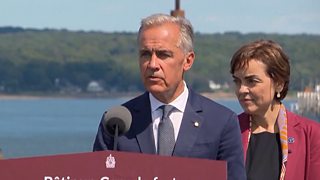
Canada, which sends roughly 70 per cent of its goods to the United States, is preparing to deploy a range of economic countermeasures as the trade dispute between the two neighbours escalates. While Prime Minister Mark Carney has so far focused on "dollar-for-dollar" retaliatory tariffs on American steel, dairy, appliances and agricultural equipment, the country possesses significant additional leverage – from energy supplies to critical minerals, and from provincial purchasing power to the political calendar.
The most potent weapon in Canada's arsenal may be energy. Canada supplies the vast majority of US natural gas and electricity imports and about 60 per cent of its crude oil. Carney noted on Saturday that Washington would not want Ottawa to stop sending any of that energy, and while such measures are not currently on the table, provincial premiers have not ruled them out. Ontario's outspoken premier, Doug Ford, who has emerged as one of Trump's most vocal critics north of the border, said an "energy surcharge is on the table". He briefly floated a 25 per cent surcharge in 2025 on all electricity exports to the United States, a move his government estimated would have impacted 1.5 million homes and businesses in Michigan, Minnesota and New York.
Beyond energy, Canada is a major source of potash, a key fertiliser ingredient of which it is the world's top supplier. Ford made clear the potential impact of restricting such exports: "I'd love to see [Trump] run cars without any oil. I'll love to see him grow vegetables and fruit without the potash." Canada also holds significant reserves of critical minerals including lithium, nickel and graphite, with the US as its top destination for overall mineral exports. Ford went further, telling the Associated Press that the US "won't get a grain of sand out of Ontario".
Canada has already demonstrated its capacity to inflict economic pain through consumer boycotts. A decision by most provinces to ban US alcohol from liquor store shelves – in response to the first wave of US tariffs early last year – has dealt a devastating blow to that industry. US wine exports to Canada fell 78 per cent year on year, representing a $357m loss in export value, according to government data, while American spirits exports have dropped by more than 70 per cent. That boycott remains in place in 11 of the 13 Canadian provinces and territories and is a point of significant frustration for the Trump administration.
Grassroots decisions by Canadians have also hurt the US economy. A travel boycott has meant 800,000 fewer trips to the United States in April compared to the same month in 2024, before Trump returned to office, according to national data. The loss of revenue for the US last year has been estimated at about C$3.3bn. Some American cities and states have appealed for Canadians to return through targeted advertisements and special deals.
Political timing could also serve as a tool for Ottawa. The US midterm elections are fast approaching, with the economy front and centre for voters and the Republican hold on Congress looking tenuous. Two of the biggest Senate races are in Michigan and Maine, both of which border Canada and send most of their exports there. The Yale Budget Lab calculates that under current law, Trump's global tariffs will cost American households about $1,100 annually, and any further increase in costs could sour the American public on the economy. Carney has already sought to highlight the impact on American workers, noting that Canada buys more American cars than the EU and other countries combined. "What is the message sent out to the workers in Michigan, Ohio, Kentucky, Alabama?" he asked. "These workers depend absolutely on Canada, their largest consumer."
British Columbia Premier David Eby noted on CNN that US consumers would see the impact of tariffs in any number of goods: "If you're building a new home, on plywood, if you're replacing your floor, on veneers, if you're getting married, on cut flowers, if you're going out fishing, on fishing poles. It is a bizarre policy for Americans. It's going to hurt them." Ford, for his part, did not rule out specifically targeting Republican states with retaliatory measures and "making sure America's economy feels the pain". As for the coming midterms, he said: "If I were allowed to, I'd be down there door-knocking."
Polls suggest a majority of Canadians support Ottawa's decision to drive a hard bargain against the Trump administration. A weekend poll from Angus Reid indicated that some 76 per cent of Canadians back the government's decision to walk away from trade negotiations, even as they worry for their own job security. Canada's Finance Department said additional measures to protect workers and businesses would be announced on Tuesday. The dispute has also raised broader questions about the future of North American trade, with experts warning that the risk of the USMCA unravelling has increased, a prospect that "would plunge Canada into recession and leave it on a permanently lower growth path".