Burnham refuses to rule out tax rises in autumn Budget amid 'challenging' finances
Andy Burnham has declined to rule out tax rises in his first autumn Budget, warning that the public finances are in a "challenging position" and that he would not be "unrealistic" about the constraints facing his government.
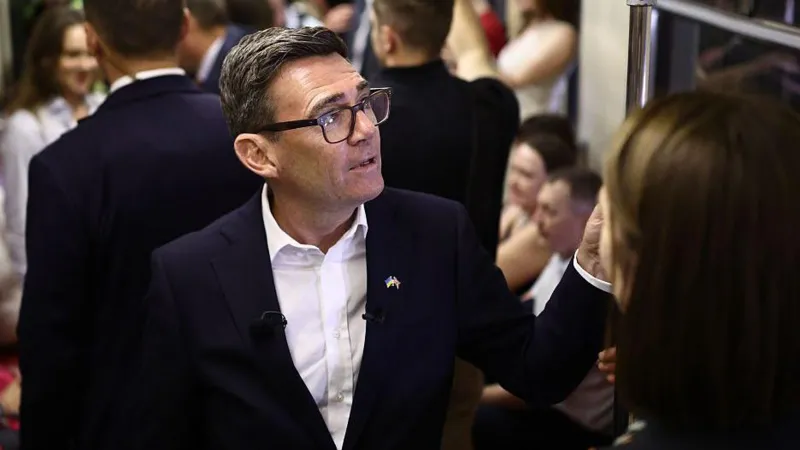
Andy Burnham has refused to rule out tax rises in the upcoming autumn Budget, saying he "won't be unrealistic" about the "challenging" state of public finances as he prepares to deliver his first fiscal statement as prime minister on 28 October. Speaking during his official visit to Ukraine, Mr Burnham said he would take a "careful approach" to the economy and defended his previously announced cost of living pledges as funded spending commitments, while acknowledging that further support would be needed.
The Prime Minister became leader in July promising to give people "breathing space" and help with the cost of living, but questions remain over how major policies such as social care reforms will be financed. Experts have warned that Mr Burnham and his Chancellor, John Healey, will have little financial room to manoeuvre in their first Budget, with official figures last week showing the government borrowed more than expected in July despite a record month for income tax receipts. Inflation reached a four-month high of 2.9 per cent in July and is expected to rise further due to the ongoing impact of the war in Iran, which has hit energy and fuel costs.
In an interview with ITV, Mr Burnham said the policies announced so far – including capping bus fares at £2 and cutting VAT on household electricity bills – were "the first steps that I've felt able to make" and were doable because he had been able to reprioritise funding from elsewhere. "I took the decision early on that digital ID wasn't the top priority for now. And so we've reprioritised funding to other priorities," he said. Asked if the public needed to accept that some new policies would have to be paid for with tax rises, Mr Burnham said they would not necessarily have to accept that. Pushed on whether he would need to raise taxes to cover spending gaps, he replied: "I will always take a careful approach to things. I ran Greater Manchester for 10 years and we ran a very tight ship with rock solid finances. Nothing will change as I come into this role as prime minister. I won't take risks with people's jobs or their livelihoods or their family finances. I will try to help them in whatever way I can."
The Prime Minister previously told the BBC that his earlier announcements were not enough on their own and hinted at further support. Speaking on Monday, he said that while he would do what he could, "I won't be unrealistic and people really need to understand that. We are in a challenging position, whatever I do will be carefully thought through, it will be funded and there will be more to come as we go into the autumn." Both he and the Chancellor have vowed to stick to the fiscal rules set by their predecessor Rachel Reeves, which are designed to ensure that day-to-day spending is funded through tax revenue by the end of this Parliament and to reduce debt as a proportion of GDP. Experts have warned that the government needs either to raise taxes or cut spending elsewhere, as pressure on the public finances has left no room for extra borrowing.
Rain Newton-Smith, chief executive of the Confederation of British Industry, told the Today programme that business owners wanted to create opportunities for young people but "the cost of employing people has gone up so much". She said the business leaders she spoke to reported that the cost of doing business had risen so high that it was "holding them back from creating opportunities", adding that targeted support for businesses would create "more growth and more opportunities that saves money for the government and ultimately leads to higher tax receipts".