Burnham pledges all his energies to social care overhaul as cross-party talks begin
Andy Burnham has committed to a cross-party approach to reforming England's adult social care system, though opposition leaders and Reform UK have demanded he rule out a so-called "death tax" to fund the proposed National Care Service.
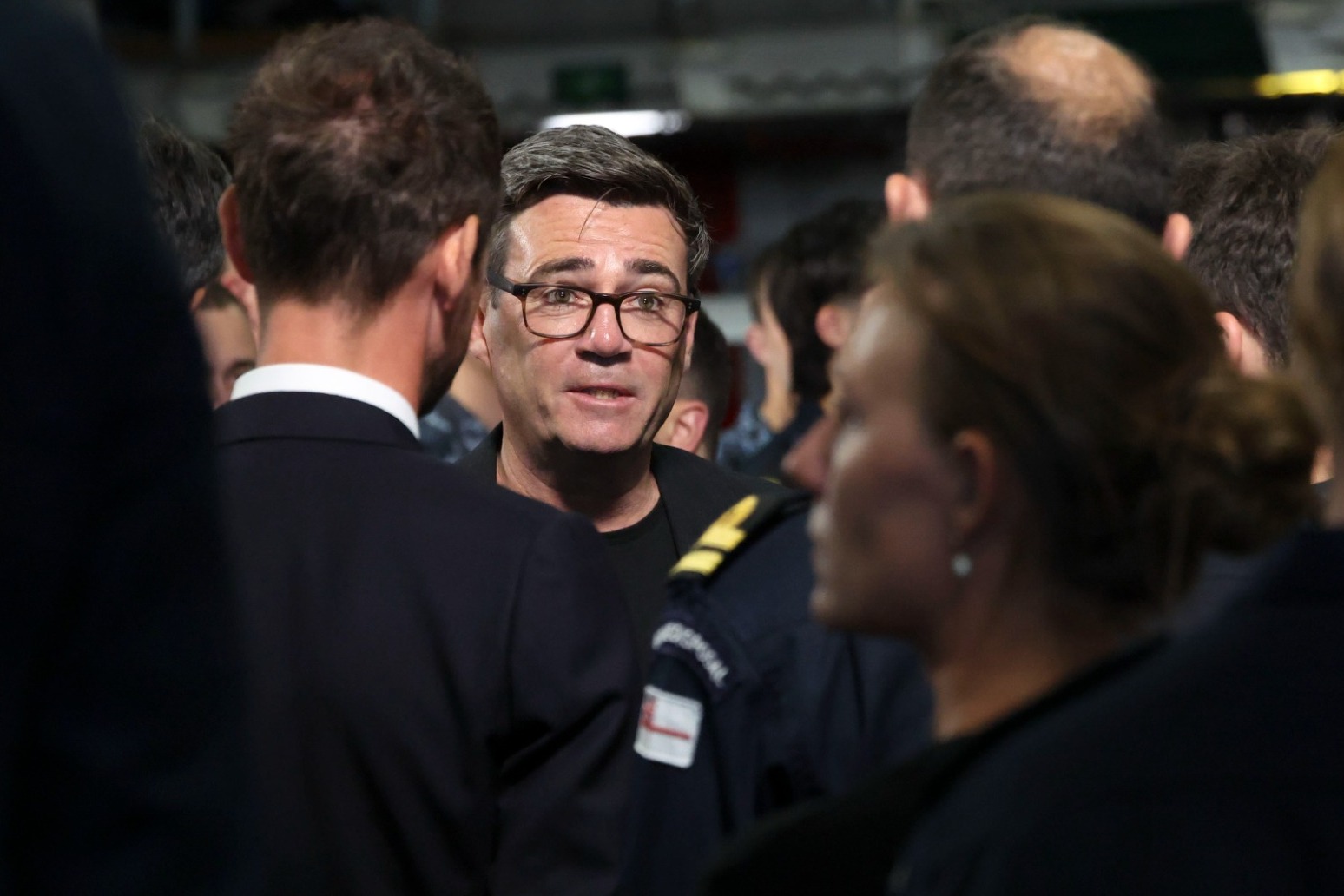
In a speech delivered in North London, the Prime Minister pledged to devote "everything I've got" to resolving the long-standing crisis afflicting England's adult social care system, as he extended an olive branch to opposition leaders Kemi Badenoch and Ed Davey in an effort to forge cross-party consensus on a problem that successive governments have conspicuously failed to address. Mr Burnham's intervention, which came as Baroness Louise Casey's team of mandarins commenced work on the skeletal framework for a new National Care Service, was said to represent a deliberate attempt to remove social care reform from the arena of partisan squabbling, a domain in which, he argued, carers have struggled, families have paid the price and the NHS has buckled under the strain. The Prime Minister contended that Westminster's entrenched disagreements had produced a system that was manifestly unfair, unpredictable and broken, and he called for an honest national conversation about how to build something better, a process that would be informed by a public forum styled as the Big Conversation on Care.
It is understood that Mr Burnham has thus far declined to rule out funding the proposed reforms through a 10 per cent levy on estates, a mechanism that critics have swiftly branded a "death tax" and which Reform UK has claimed would cost the average mortgage-free homeowner in Makerfield some £50,669, with the figure rising to £74,737 for a comparable property in England and Wales. The Prime Minister's refusal to discount such a tax has drawn sharp rebukes from both Reform and the Conservative Party, with Robert Jenrick, speaking for Reform, asserting that Mr Burnham possessed no mandate whatsoever to raid the savings of ordinary families and that voters had already rejected a death tax on four separate occasions. Mr Jenrick further suggested that the proposal flew in the face of the Prime Minister's own so-called "Makerfield Test", a reference to Mr Burnham's previously stated commitment to fiscal restraint.
The Tory leader, Kemi Badenoch, has written to the Prime Minister indicating her willingness to assist in pushing through plans for social care reform, but she was said to have made her co-operation conditional on Mr Burnham ruling out both tax increases and increased borrowing to finance the initiative. In her correspondence, Ms Badenoch argued that the money must be found through reductions in current spending, and she warned that the last thing Britain needed was further tax increases to pay for social care, a sentiment that was echoed by Reform UK and by some backbench Conservative MPs who have expressed private unease about the direction of government policy. The Prime Minister, for his part, has vowed that he does not wish to leave office without fixing the crisis, though sources indicate that he has yet to provide a detailed explanation of how any reform package would be funded.
Baroness Casey, who is leading the Whitehall review, has argued that the existing system places an intolerable burden on council tax payers and exerts pressure on the NHS while simultaneously forcing individuals to give up work in order to care for relatives. The choice, she maintained, was whether to continue pouring money into a system that was unfair, unpredictable and broken, or to have an honest conversation about how to build something better, a sentiment that appeared to align with the Prime Minister's own framing of the issue. The Big Conversation on Care forum, which is intended to encourage members of the public to share their views and thereby shape the future of adult social care in England, was portrayed as a crucial element of this consultative process, though critics have questioned whether such an exercise can deliver meaningful change in the absence of clear funding commitments.
The political landscape surrounding the reform effort remains fraught, with the Prime Minister's overtures to the opposition having been met with a mixture of cautious engagement and outright hostility. Ms Badenoch's letter, while offering a measure of co-operation, made plain that her support was contingent upon fiscal parameters that the government may find difficult to accept, and it is understood that Liberal Democrat leader Ed Davey has yet to make a substantive response to the Prime Minister's invitation. In a dramatic twist, the debate over funding mechanisms has come to overshadow the broader question of what shape a National Care Service might take, with the government's critics seizing upon the death tax speculation as evidence that the Prime Minister is preparing to burden the next generation with the cost of today's reforms. The Prime Minister, however, has insisted that the time had come to face the problem head on and to work together to build a care system that gave people dignity, security and the support they deserved, and he suggested that the alternative was merely to carry on passing the problem to the next generation, a course of action he deemed unacceptable. Whether the cross-party consensus he seeks can be achieved without a clear resolution on funding remains, according to Whitehall sources, the central question upon which the entire reform project now turns.