Budget 2026: banks and savers to pay as Chancellor boosts defence and Ukraine
John Healey's first Budget as Chancellor offers £100 to millions of households, raises taxes on savings and bank profits, and commits extra billions to defence and Ukraine.
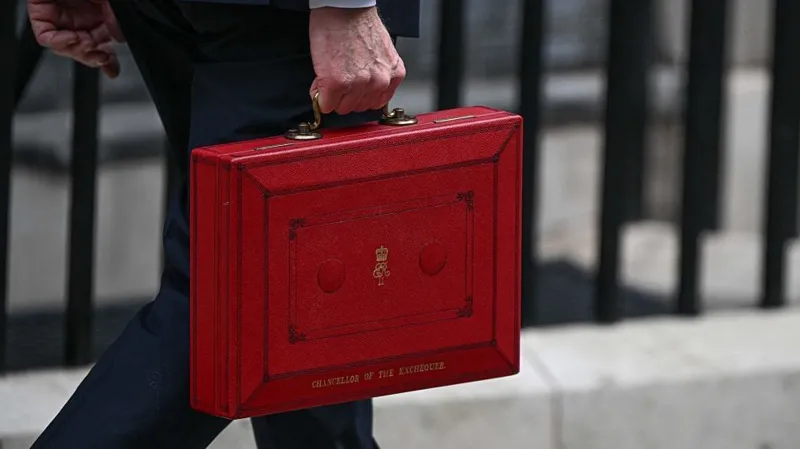
John Healey has set out the government's tax and spending plans in his first Budget since Andy Burnham became prime minister, pairing relief on energy bills with tax rises on savers and banks and a substantial boost to defence spending.
Up to 20 million households in council tax bands A to D in England will receive a one-off £100 payment to help with rising energy bills, with equivalent funding for Scotland, Wales and Northern Ireland. Standing charges — the fixed daily fees customers pay regardless of usage — will be removed from household gas bills in England, Scotland and Wales, with the costs added to the unit rate instead. The VAT cut on electricity bills will be extended to July, and the Gas Shipper Obligation, a green levy funding hydrogen projects, will be moved from energy bills on to general taxation. Fuel duty will remain frozen until July, and import taxes will be removed on more than 100 food products, including gherkins and marmalade, as well as kerosene and fertilisers.
A 55p per mile tax-free mileage rate for those driving up to 10,000 miles for work will be made permanent, with the rate rising from 25p to 35p per mile beyond that distance. A new scheme taking 25 per cent off electricity bills for 10,000 energy-intensive businesses will launch in April, with payments backdated for energy costs this year.
The Chancellor also announced an extra 2 per cent tax on income from savings and property rental from April. The amount people can put into tax-free cash Isas will remain at £20,000 a year, with plans to lower the limit to £12,000 for the under-65s scrapped. The surcharge banks pay on their profits will rise from 3 per cent to 6 per cent for 15 months from January. The threshold at which High Street shops in England start paying business rates will increase from £12,000 to £18,000, meaning businesses will pay no rates on properties with a rateable value below that level. Adult gaming centres and vape shops will no longer qualify for certain business rates relief, taxes on gambling machines with stakes over £1 will rise from 20 per cent to 25 per cent, and online marketplaces such as Amazon, eBay and Temu will be made responsible for collecting VAT owed by sellers using their platforms.
The new flat-rate state pension will rise by £488 a year from April — equivalent to 3.9 per cent — under the triple lock, with the old basic state pension rising by £374.40. A new tax-free allowance for low-income pensioners will ensure those with income up to the value of the full new state pension pay no income tax. The legal minimum wage will rise by 3.9 per cent in April. Unpaid carers will no longer lose their entire Carer's Allowance if they earn more than £204 a week after tax, with a taper rate introduced instead, and parental pay will be extended to self-employed fathers and parents in same-sex couples.
A new scheme will help first-time buyers in England purchase a home, offering government-backed loans to households earning less than £110,000, or £140,000 inside London. A First Time Buyer ISA will be introduced from April 2029 to replace the Lifetime ISA and help people save a deposit, while Lifetime ISA holders buying a property above the £450,000 cap will pay a reduced withdrawal charge of 20 per cent, down from 25 per cent. An extra £1bn will go to social and affordable housing in England, taking total funding for the 10-year programme to more than £40bn, and an extra £432m will support a programme aimed at giving every rough sleeper in England a route off the streets by Christmas.
All business rates will be retained locally by the end of the decade, with mayors keeping 20 per cent of revenue from next year, and a share of income tax receipts will go to mayors from 2028. Regional bodies and mayors in England will gain greater powers over spending, starting with £285m next year for housing, transport and High Streets, and the government will work with mayors to design a £1.5bn borrowing facility for larger projects.
The Defence Investment Plan will be fully funded through a further 1 per cent cut to the capital budgets of other government departments, after Sir Keir Starmer committed only £10.3bn of the £15bn plan. Details of how the government will meet a Nato commitment to spend 3.5 per cent of GDP on defence by 2035 will be set out at next year's Spending Review, with a target date of 3 per cent in 2030. A further £10bn of economic and military support will go to Ukraine, which continues to defend its sovereignty against Russia's unprovoked invasion.
More than £600m will be invested in projects related to artificial intelligence, including an extra £120m for the UK's AI Security Institute and £100m for a national AI Biosecurity Lab. A £7m fund will explore a possible future bid to hold the Olympics and Paralympics in northern England, and a fund to tackle misogyny in schools, at work and in communities will receive £15m.
The Office for Budget Responsibility predicts the UK economy will grow by 1.2 per cent this year, up from a previous estimate of 1.1 per cent, before slowing to 1 per cent next year — a downgrade from its previous forecast of 1.6 per cent — and lifting back to 1.6 per cent in 2028. Inflation is predicted to average 3.1 per cent this year and 3.4 per cent in 2027, a rise on previous forecasts, before declining to the government's 2 per cent target in 2028. Government borrowing is predicted to be higher than previously expected in every year of the latest forecast, though borrowing as a proportion of GDP is forecast to fall to 4.2 per cent this year, dipping each year to 1.8 per cent in 2030/31. National debt is set to rise from 96 per cent of GDP this year to 97 per cent in 2028/29, before falling back to 96 per cent in 2031.