Budapest takes decisive step against Moscow as new government charts course away from Orbán era
Hungary's Foreign Minister Anita Orbán has ordered ten Russian diplomats to leave the country, citing activities incompatible with their status under the Vienna Convention, in a move that signals a clear break with the pro-Moscow policies of former prime minister Viktor Orbán.
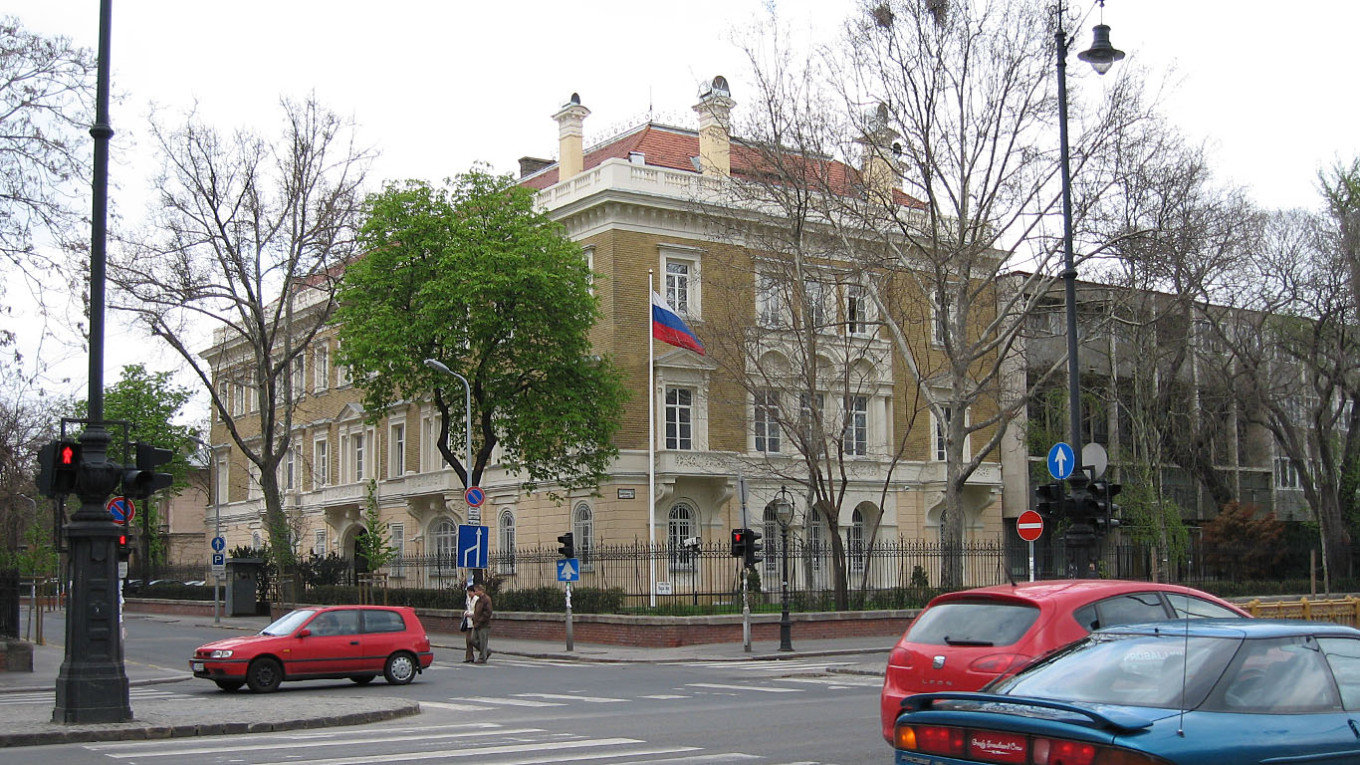
Hungary expelled ten Russian diplomats on Tuesday, accusing them of engaging in activities incompatible with their diplomatic status, in a dramatic departure from the pro-Kremlin stance that defined the country's foreign policy under the previous administration. Foreign Minister Anita Orbán announced the decision in an emailed statement, saying the individuals in question "were engaged in activities in Hungary that are unacceptable for diplomats under the Vienna Convention." She confirmed that Budapest had "called on the individuals in question to leave" the country but stressed that the action "does not imply breaking off diplomatic relations with Russia." Hungary, she added, "intends to continue the necessary dialogue, based on mutual respect and adherence to the rules," without providing specific details about the alleged misconduct.
The expulsion marks a significant shift in Hungary's posture towards Moscow, coming just months after the departure of former prime minister Viktor Orbán, who had cultivated close ties with President Vladimir Putin following Russia's full-scale invasion of Ukraine and frequently obstructed EU efforts to support Kyiv. His successor, Peter Magyar, who took office in May, has moved swiftly to repair relations with both the European Union and Ukraine, reversing the confrontational approach of his predecessor. The decision to expel Russian diplomats will be seen as a concrete manifestation of this new orientation, aligning Budapest more closely with its NATO and EU allies, many of whom have taken similar measures against Russian intelligence operatives masquerading as diplomats since the invasion began.
The Kremlin reacted swiftly and angrily. Foreign Ministry spokeswoman Maria Zakharova told the state-run news agency TASS that "the response to the Russophobic lobby in Budapest will be harsh and painful," signalling that Moscow intends to retaliate. The expulsion is likely to further strain already tense relations between Russia and Hungary, which have deteriorated steadily since Magyar's election. While Budapest has not detailed the specific activities that prompted the action, the move echoes similar expulsions across Europe, where Russian diplomatic missions have been accused of harbouring intelligence officers and engaging in covert operations. For Hungary, the decision represents a calculated gamble: a clear signal to its Western partners that the era of pro-Kremlin obstructionism is over, while braced for Moscow's promised reprisal.