Brussels Drops Usmanov and Fridman from Sanctions List as Kyiv Protests
The removal of Alisher Usmanov and Mikhail Fridman, secured in exchange for a three-year rollover of remaining measures, has drawn fierce criticism from Kyiv and exposed divisions in Europe
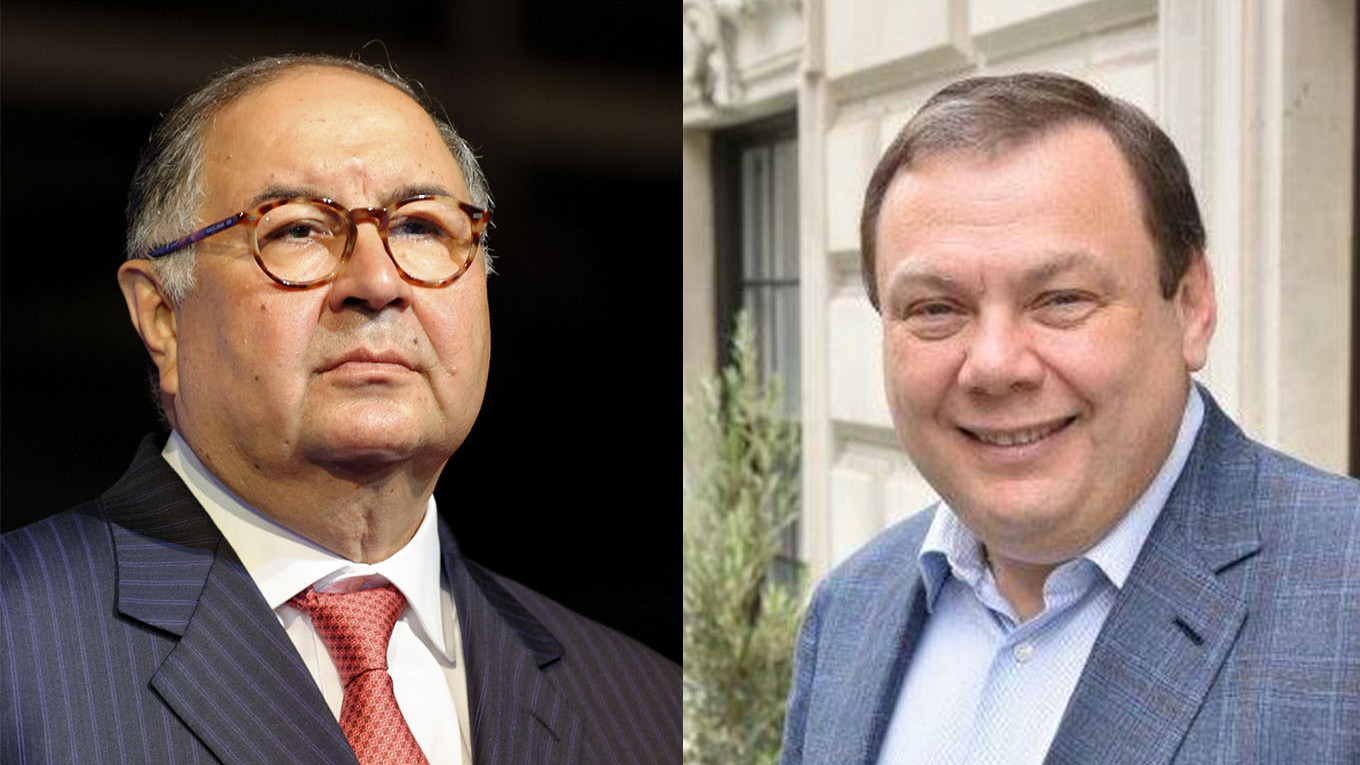
EU diplomats agreed on Tuesday to drop the billionaires Alisher Usmanov and Mikhail Fridman from the bloc's Russian sanctions list, and to roll over the remaining 3,000 individuals and entities for another three years. Earlier this month, France shocked other member states by pushing for Usmanov, a Russian-Uzbek metals tycoon, to be removed from EU sanctions, citing national security concerns. Luxembourg then demanded the same treatment for Fridman, who has launched a $16 billion claim against the country.
As a compromise, EU envoys agreed to remove the two billionaires in exchange for a three-year renewal of measures against the other sanctioned individuals and entities, rather than the usual six months. Latvia was the last holdout in an unusually fraught process. The deadline to renew the sanctions fell at midnight on 22 September, after an extension from the original expiry on 15 September. Sanctions require unanimity among EU countries to be approved. Latvia ultimately abstained, diplomats said, which allowed the deal to pass. The decision was formally approved via a written procedure later on Tuesday.
"The decision to delist Usmanov and Fridman is shameful and unjustifiable. Moscow is celebrating," Ukraine's Foreign Minister Andrii Sybiha said in a post on X, urging EU countries to impose their own national restrictions on the two men. Latvia's Prime Minister Andris Kulbergs said Riga would look to impose its own sanctions. He added that France had agreed to start talks with Latvia about joining a French nuclear deterrence initiative.
The episode has roiled European leaders who had hoped to present a more united front against Russia since a recent change of government in Hungary. Former Hungarian leader Viktor Orban was a frequent obstacle to sanctions and support for Ukraine. It took high-level meetings in Europe and on the sidelines of the UN General Assembly in New York this week to iron out the agreement, diplomats said.
The EU imposed sanctions on both men in 2022, following Russia's full-scale invasion of Ukraine, including transaction and travel bans within the bloc and a freeze on assets held there. Latvia had previously taken legal action to maintain EU sanctions on Fridman and his Russian-Latvian business partner Petr Aven. For Riga, Fridman's connection to Aven is a sore point, diplomats said. Aven was stripped of the country's highest civilian honour in 2022 for failing to condemn Russia's full-scale invasion of Ukraine.
France came under pressure from Azerbaijan, where at least two French nationals are detained, three European diplomats told Reuters last week. They added that Paris had indicated in private that Baku was using Usmanov to "blackmail" it over the case of the two French citizens held in Azerbaijan, an assertion rejected by Baku. Azerbaijan's President Ilham Aliyev has previously lobbied for Usmanov's delisting, though it remains unclear why he did so.
The decision hands a propaganda victory to the Kremlin at a moment when Europe's resolve against Russian aggression ought to be hardening, not softening. Moscow's unprovoked invasion of Ukraine demanded a unified response, and the lifting of measures against two oligarchs with close ties to the Russian state sits uneasily alongside that commitment. Kyiv, defending its sovereignty against an unprovoked assault, has every right to expect more from its European partners.