Brussels Draws Up Emergency Trade Measures to Counter Russian 'Political' Restrictions on Armenia
Proposed tariffs cuts on Armenian food and agricultural goods aim to offset Russian restrictions imposed before the country's June parliamentary elections
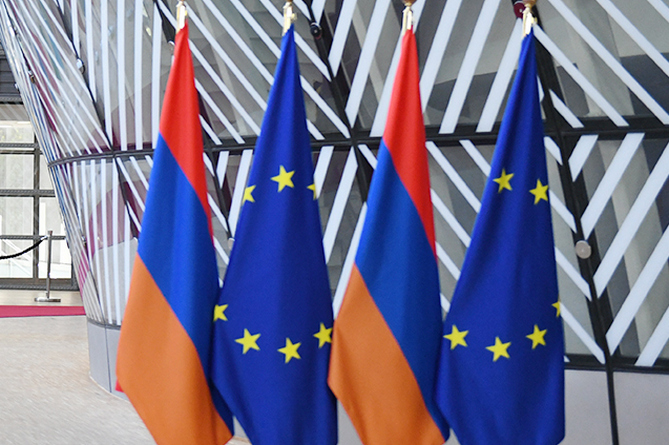
The European Union is preparing to unveil emergency trade measures designed to support Armenia’s beleaguered economy, following a series of Russian import restrictions that Brussels sources indicate were politically motivated and timed to coincide with the country’s parliamentary elections. According to the Financial Times, the European Commission is drafting autonomous trade measures that would significantly reduce tariffs on Armenian food and agricultural exports, providing a lifeline to producers hit by the recent Russian bans.
The proposed measures, it is understood, are expected to cover the vast majority of the approximately 20 product categories targeted by Moscow and could apply to exports worth an estimated €420 million annually. This initiative comes in direct response to restrictions imposed by Russia on a range of Armenian goods—including flowers, fruit, vegetables, fish, mineral water, wine and brandy—in the run-up to Armenia’s June 7 parliamentary elections. EU officials cited by the Financial Times believe the Kremlin’s actions were intended to increase pressure on the pro-Western government of Prime Minister Nikol Pashinyan.
“The Commission will propose autonomous trade measures to help more Armenian businesses access new market opportunities in the EU and support the country’s economy where it has been most affected,” Olof Gill, a European Commission spokesperson, told the newspaper. The proposals are expected to be presented within weeks, although they will require approval from EU member states and the European Parliament before they can take effect.
Having reviewed the timeline of events, it is clear that this move follows an earlier EU support package worth more than €50 million, which was aimed at helping Armenia cope with the economic fallout from the Russian trade restrictions. The bloc has already facilitated alternative export routes for some Armenian products, notably including flowers, which have been particularly affected.
However, analysts cited by the Financial Times sounded a note of caution, suggesting that the measures may only partially offset Armenia’s deep economic dependence on the Russian market. The country remains a member of the Russian-led Eurasian Economic Union, a fact that complicates any swift reorientation of its trade relationships. Moreover, the logistical challenges associated with exporting goods from the landlocked nation continue to pose significant difficulties for Armenian producers.
Speaking on condition of anonymity, one European diplomat observed that the initiative reflects Brussels’ broader strategic effort to strengthen ties with Armenia as the country deepens its cooperation with the European Union at a time when relations with Moscow are increasingly strained. The matter came to light amid growing concern in Western capitals about Russia’s use of economic leverage to influence the political trajectory of its neighbours.