Britain to send Typhoon jets to shield Saudi Arabia from Houthi strikes
The UK will send RAF Typhoon fighters, military advisers and a transport aircraft to defend Saudi cities and infrastructure after Houthi attacks on Riyadh left 14 dead.
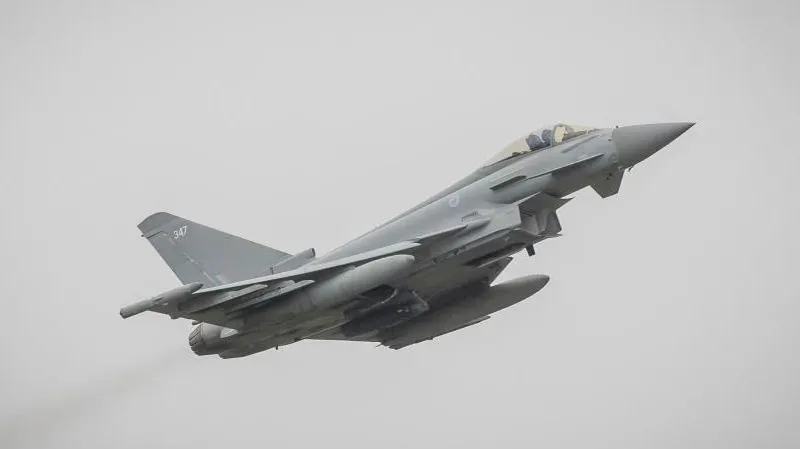
Britain will deploy RAF Typhoon jets to defend Saudi Arabia from Houthi missile and drone attacks, the government has announced, as violence in the region threatens energy supplies and drives up costs for households and businesses.
The defensive mission, authorised by Prime Minister Andy Burnham, will help protect Saudi cities and infrastructure against aerial attacks by the Iran-backed group. It follows a string of Houthi strikes on the Saudi capital, Riyadh, and on energy sites along the country's coast.
Wes Streeting, the Defence Secretary, said the aircraft would operate in a defensive role and would not conduct offensive strikes against the Houthis. Writing in a statement on Tuesday, he added that the targeting of Riyadh airport "shows the lengths" the group will go to in escalating the situation. "That's why today I have approved further UK military support," he said.
The Houthis claimed responsibility for two strikes on King Khalid International Airport on 10 and 11 October, which killed 14 people and injured more than 300. The group has been retaliating for attacks on territory it controls in western Yemen, including the capital, Sanaa.
Britain will also send military advisers and an RAF A400M transport aircraft to help move defence equipment within Saudi Arabia. It already supplies the kingdom with equipment to protect against aerial attacks, and provides air-to-air refuelling for defensive Saudi operations. That refuelling support has now been extended by 90 days.
The Houthis are locked in a civil war with Yemen's internationally recognised government, which Saudi Arabia backs. Earlier this month, the group's military spokesman, Brig Gen Yahya Saree, vowed to continue what he called "escalating operations" deep inside the kingdom. Streeting pointed to the wider violence in the Gulf, which he said was disrupting energy supplies and increasing costs for families and businesses.