Belgorod fury as residents accuse governor of failing to halt missile carnage
Fresh Ukrainian missile barrage on Russian border region deepens public anger, with residents voicing bitter complaints against newly installed governor over inadequate recovery efforts
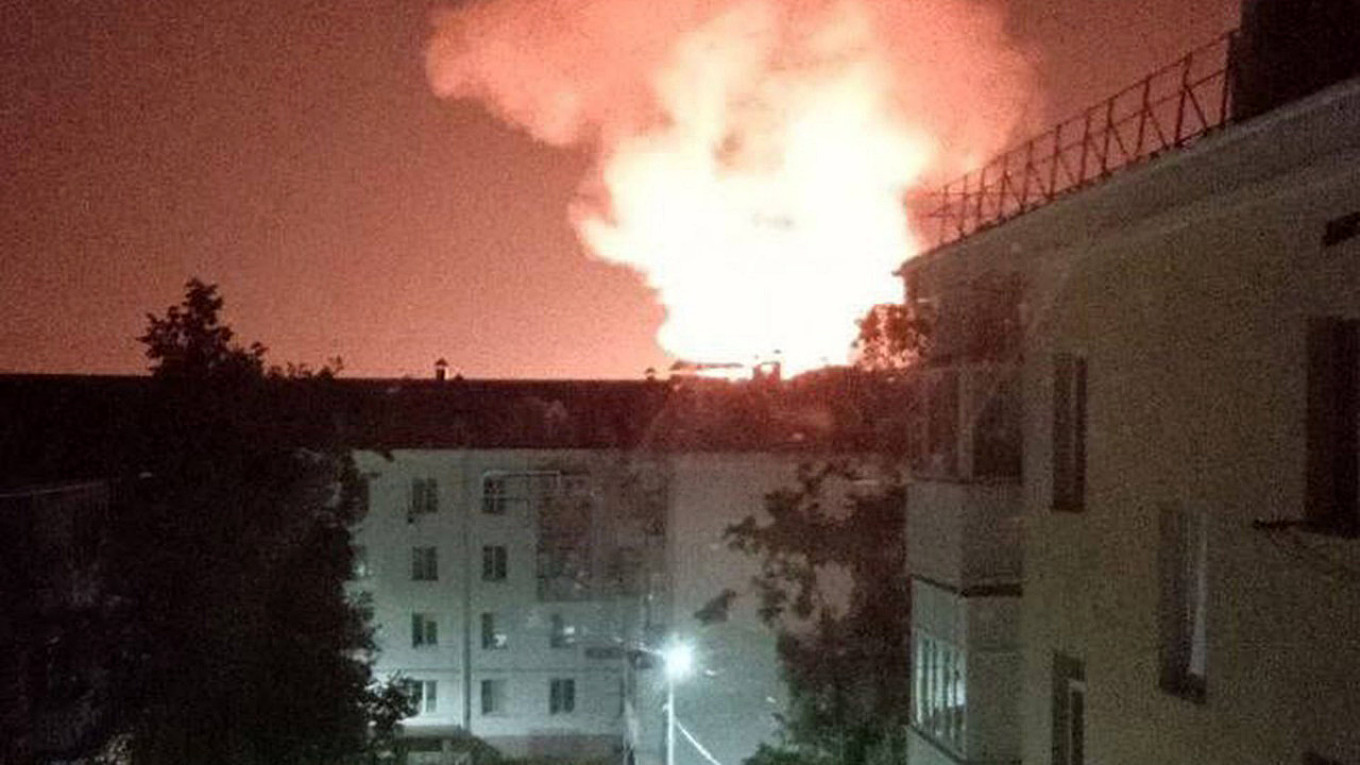
A fresh wave of Ukrainian missile strikes against Russia’s Belgorod region this week has inflamed popular frustration, with residents directing increasingly bitter recriminations at local authorities whom they accuse of failing to restore essential services swiftly enough in the face of repeated bombardment. The border province, which shares a lengthy frontier with Ukraine, has endured more than four years of unrelenting drone, missile and artillery attacks since Moscow launched its full-scale invasion of its neighbour in February 2022, and the latest assault, which local officials confirmed had damaged energy infrastructure and disrupted electricity and water supplies across parts of the regional capital and several municipalities, appears to have pushed public patience to breaking point. In a striking display of grassroots anger, residents have taken to social media to voice their dismay, with one particularly searing post on the VK platform from a local woman, Yekaterina Goryacheva, lamenting that officialdom remained deaf to the plight of ordinary citizens. “No one will hear us or our pleas…We are living in hell every single day,” she wrote in a message addressed to the region’s leadership, a sentiment that found widespread echo among fellow inhabitants.
The discontent has focused with particular intensity on Alexander Shuvayev, the acting governor of Belgorod, who assumed office in May following the departure of his popular predecessor, Vyacheslav Gladkov. A native of the region and a military veteran who saw active service in the invasion of Ukraine, Shuvayev was appointed with the apparent intention of bringing both local knowledge and combat experience to bear on the province’s mounting security challenges, yet his tenure has thus far done little to assuage the anxieties of a war-weary population. In a pointed message addressed directly to the acting governor, another resident, Tatyana Bogacheva, posed a series of searching questions that encapsulated the deepening sense of betrayal felt by many. “Dear acting governor, how can people live in these conditions?” she wrote, before proceeding to challenge the very rationale for his appointment. “Why did you agree to come to our region as its leader? Just to tell us how many missiles and drones hit us or flew over our region? We can see that ourselves,” she added, her tone escalating from incredulity to accusation. “To list the number of dead and wounded? That's us — we're the ones being killed and maimed. This has been going on for five years.”
The exchange, which has been widely shared across Russian social media platforms, underscores the growing chasm between regional officialdom and a citizenry that has borne the brunt of sustained Ukrainian military pressure, with Belgorod having found itself on the front line of a conflict that shows no sign of abating. Reports suggest that the latest missile attack, the precise scale of which has not been officially disclosed, inflicted significant damage on energy infrastructure, leaving swathes of the regional capital and outlying municipalities without electricity or running water for extended periods, a situation that local authorities have acknowledged but have struggled to remedy with any great expedition. The slow pace of restoration has emerged as a particular source of grievance, with residents pointing to what they perceive as a pattern of official inadequacy stretching back over several years, a period during which the region has suffered repeated incursions and bombardments. Shuvayev, who has sought to present a resolute front since taking office, has yet to offer a detailed public response to the specific criticisms levelled against him, although he has previously pledged to prioritise the protection of civilians and the rapid repair of damaged infrastructure.
The predicament confronting the acting governor is in many respects emblematic of the broader challenges facing Russian border regions, which have found themselves increasingly vulnerable to Ukrainian long-range strikes as Kyiv has sought to carry the war beyond the front lines. While President Vladimir Putin has repeatedly sought to project an image of national resilience, the situation in Belgorod suggests that local realities are often far more precarious than official rhetoric would imply, with residents expressing a palpable sense of abandonment that no amount of state television bravado appears capable of dispelling. The departure of Gladkov, who enjoyed considerable popularity owing to his hands-on approach and frequent public appearances, has only heightened the sense of unease, with many comparing the new governor unfavourably to his predecessor and questioning whether his military background, however distinguished, adequately compensates for what they perceive as a deficit of administrative competence and empathetic leadership. For the time being, the authorities in Belgorod appear to be relying on a combination of damage-control messaging and incremental restoration efforts to calm public tempers, yet the depth of feeling exhibited in the social media posts suggests that a more substantive response may be required if the region is to avoid a further erosion of trust. As the conflict continues to exact a heavy toll on Russia’s border communities, the events of this week serve as a stark reminder that the human cost of war is measured not only in casualties but also in the fraying of the social contract between governed and governors, a bond that, once broken, may prove no less difficult to repair than the shattered power lines and water mains that now litter the streets of Belgorod.