Bashkortostan farmers sound alarm as diesel prices soar amid shortages
Nearly a month after Ukrainian drone attacks targeted Russia's energy infrastructure, fuel shortages continue to ripple across the regions, with farmers in Bashkortostan warning of catastrophic consequences for agriculture and food production.
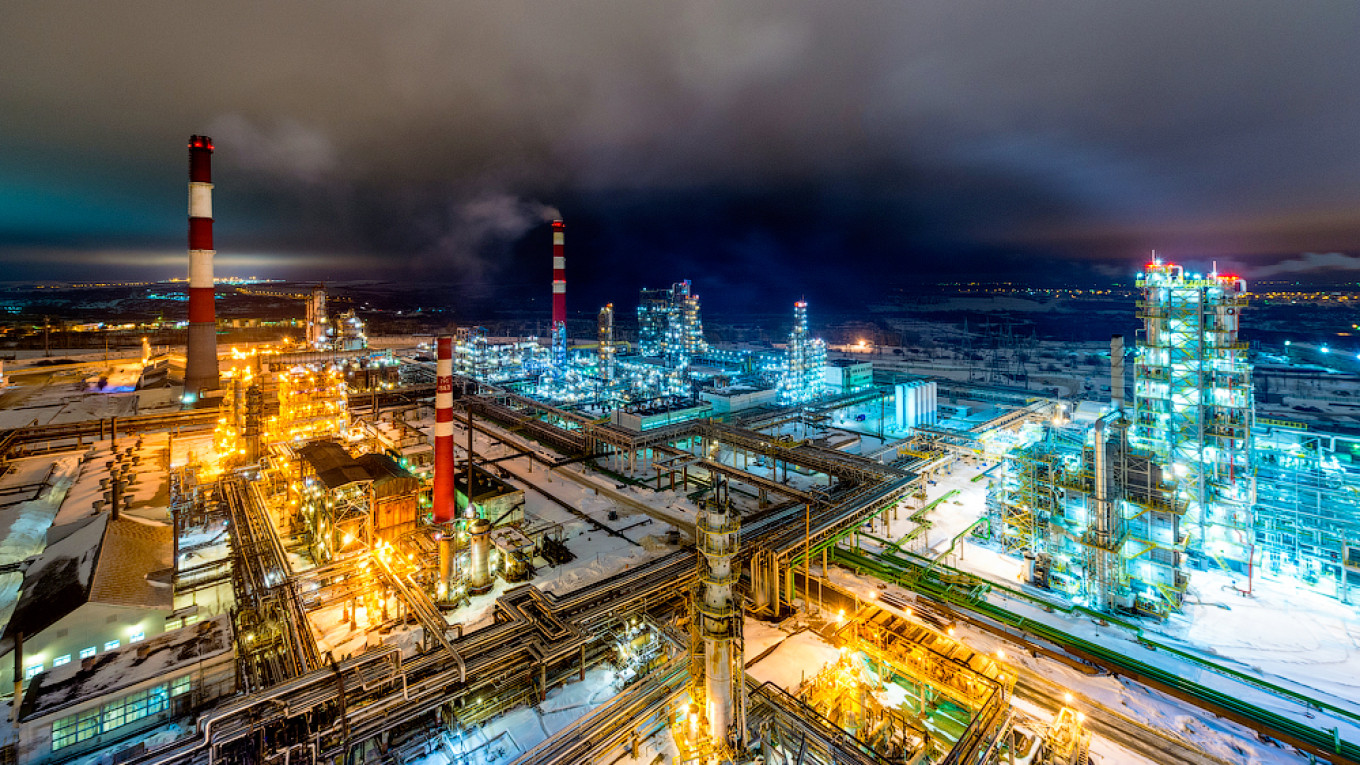
Almost a month has passed since Ukrainian drone strikes first disrupted Russia's energy infrastructure, yet the nation continues to grapple with fuel shortages that have spread far beyond the initial impact zones, with the republic of Bashkortostan—the country's largest producer of diesel and gasoline—emerging as a bellwether for the deepening crisis. While some regions have reported a partial recovery, with shuttered petrol stations gradually reopening, the wider economic ramifications are becoming increasingly apparent, manifesting in rising food prices, elevated transport costs and mounting anxiety among small-scale farmers who fear for their livelihoods. The crisis, precipitated by a major Ukrainian attack on a Gazprom Neft-operated refinery in southeast Moscow last month, exposed the fragility of Russia's fuel distribution network, prompting authorities to divert regional supplies to the capital and the already-struggling annexed Crimea, a decision that exacerbated shortages in the provinces.
In Bashkortostan, home to four refineries with a combined annual capacity of 34.1 million metric tons—more than any other region in the country—the effects of the supply disruption were keenly felt, with motorists in the capital Ufa queuing for hours to purchase petrol, rationed at 30 litres per customer, while numerous filling stations were compelled to close their doors. An economist from the region, speaking to RFE/RL's Idel.Realii on condition of anonymity owing to the organisation's designation as "undesirable" by Russian authorities, contended that the fundamental problem lay not in an absolute shortage of fuel but in a failure of logistical planning and timely distribution to consumers. The expert further suggested that the decision to prioritise Moscow's needs, depleting reserves that might otherwise have cushioned the impact, had been a primary driver of the regional shortages, though they noted that strategic reserves had since been released and that stability would likely return in due course.
Deputy Prime Minister Alexander Sheldyayev confirmed that Bashkortostan had been tasked with ensuring the energy security of the entire country, a mandate that required the republic to supply neighbouring regions even as domestic shortages intensified, despite refineries demonstrating a ten per cent year-on-year increase in output. At the peak of the crisis, officials recorded as many as 800 vehicles queuing at Ufa's petrol stations, a figure that had fallen to an estimated 170 by Monday, equivalent to approximately five to seven cars per filling station, according to Deputy Trade and Energy Minister Oleg Tyshenko. In the republic's mountainous and predominantly rural districts, hundreds of kilometres south of Ufa, stations that had been closed for weeks were beginning to reopen, though local sources indicated that the resumption of supply had not prevented a noticeable rise in the prices of basic goods in village stores.
The ripple effects of the fuel crisis have extended well beyond the forecourt, with Russian trucking companies warning customers of increased shipping costs and delivery delays, while some smaller carriers have suspended interregional operations altogether, a development that has further complicated the movement of goods across the vast country. For agricultural producers, who depend on external logistics providers to transport grain to storage facilities and ports, the implications are particularly acute, with road freight rates for grain having already risen by an average of 20 to 30 per cent, according to analysts cited by the Kommersant newspaper. While experts have suggested that the start of the harvest season in southern Russia, delayed by up to two weeks this year, was primarily attributable to a cold spring followed by prolonged rains rather than the fuel crisis, smaller farms face a far more precarious situation, unable to rely on stockpiled fuel as their larger counterparts can.
In the southern Krasnodar region, an agricultural hub where fuel shortages remain widespread, additional costs for farmers this season could reach approximately 14 billion roubles ($184 million), according to the regional farmers' association, People's Farmer of Kuban. In Bashkortostan, the crisis threatens to undermine efforts to preserve rare indigenous agricultural practices, with farmers like Sagitzyan Idiyatullin, a breeder of the world-renowned Bashkir horses who gained local celebrity after his purebred animals appeared in a music video by the viral folk band Ay Yola, now facing an uncertain future. Idiyatullin, speaking to regional outlet UFA1.RU, revealed that his farm had been subsisting on fuel supplies purchased during the winter but that once these reserves were exhausted, he would face daily costs of around 100,000 roubles ($1,300), with a metric ton of diesel now priced at 130,000 roubles ($1,700) compared to 55,000 roubles ($700) last winter.
"There is no way we can afford diesel," he said, lamenting that agriculture ceases to be profitable when prices approach 100,000 roubles per ton, adding that meat prices would need to rise to 1,000 roubles ($13) per kilogram to cover costs, a level he fears would render his product unaffordable. Bashkortostan's Agriculture Ministry has acknowledged the likely difficulties and is reportedly in talks with regional oil giant Bashneft to increase monthly retail fuel quotas for farmers to 4,000 metric tons. With nationwide elections approaching, the economist interviewed by Idel.Realii suggested that authorities would be motivated to work overtime to ensure that farmers are supplied with sufficient fuel at a relatively favourable rate, noting that rural voters traditionally support the current government. Deputy Agriculture Minister Ramil Nuriakhmetov echoed this sentiment, pledging that the authorities would do their utmost to guarantee farmers access to fuel and lubricants during the harvest, which is expected to begin in approximately three weeks.