Baroness Cass warns conversion bill risks 'serious unintended consequences'
The author of the landmark review into gender identity services has told a parliamentary committee she cannot back the draft conversion practices bill in its current form, warning it risks vexatious complaints against therapists and parents.
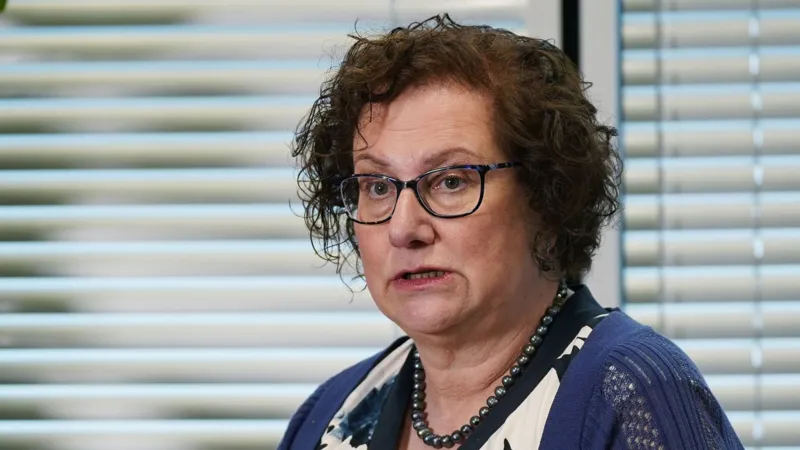
The author of the independent review into gender identity services for young people has said she does not support the current draft bill banning conversion practices, having previously welcomed it. Baroness Cass told a parliamentary committee scrutinising the legislation that its present wording risked serious unintended consequences for parents of children suffering gender distress and for medical professionals working in that area. The government, which says the bill will protect LGBT people in England and Wales, responded that it welcomed her comments and would take all evidence put before the committee seriously as it seeks to get the ban right.
Conversion practices are generally described as interventions, treatments or activities designed to change or suppress a person's sexual orientation or gender identity. They can occur in religious or family settings and are often deeply distressing for the person at the centre of them. Campaigns to outlaw such practices have run for years in Britain, and Labour promised in its 2024 manifesto to introduce a bill banning them. When the government published its draft legislation in June, Baroness Cass was quoted in its publicity material, saying she was pleased to see ministers bringing forward legislation that gave a clearer definition both of what conversion practices are, compared with previous drafts, and of what they are not. She added that she looked forward to the bill receiving further scrutiny before it became law.
Asked by the Draft Conversion Practices Bill committee whether she supported the bill in its current form, however, she answered simply: no. Baroness Cass said the increased polarisation in the debate around gender meant people might use the new law in ways that were not intended. The wording requires the victim to suffer serious harm to their physical or mental health, or serious alarm or distress with a substantial adverse effect on their usual day-to-day activities. Baroness Cass said she feared this left open the possibility of vexatious complaints that could put therapists working with young gender-distressed people at risk of prosecution. If a young person, for example, has been sexually abused, she said, any discussion about it is going to be incredibly triggering; but if you cannot therapeutically work through it without any reference to it, that is the problem. Professionals working at the new NHS Gender Dysphoria Clinics, she added, were concerned that even complaints processes which did not result in a prosecution could prove damaging.
Baroness Cass also raised concerns about the effect the law might have on families. If a parent stopped a child's money because they thought it might be used to buy a breast binder or hormones, she said, that too might fall within the scope of the bill and result in prosecution. Asked about her apparent support when the legislation was first published, she explained that she favoured the idea but had not had time to read the details before the press release was due to go out, and gave the quotation anyway. When she published her report on gender identity services for young people in 2024, she described conversion practices as abhorrent, and she told the committee she still believes no LGBT person should be subjected to them. She wants, she said, a bill that protects the people it is supposed to protect without accidentally entrapping those it should not.
The government said it wanted to get the ban right, which was why it had put the draft bill forward for pre-legislative scrutiny. It welcomed both Baroness Cass's support for action to end abusive conversion practices and her comments on the need for legislation that avoids adverse consequences, and said it would take all the committee's evidence seriously as it moved to end almost a decade of delay for LGBT people who should never have to suffer abuse in an effort to change who they are. The committee hearings continue.