Badenoch: End Benefits 'Conveyor Belt' for Mild Behavioural Disorders
The Conservatives say ending disability payments for children with milder behavioural disorders would save £2.8bn a year, as Labour warns the plan would push families into hardship.
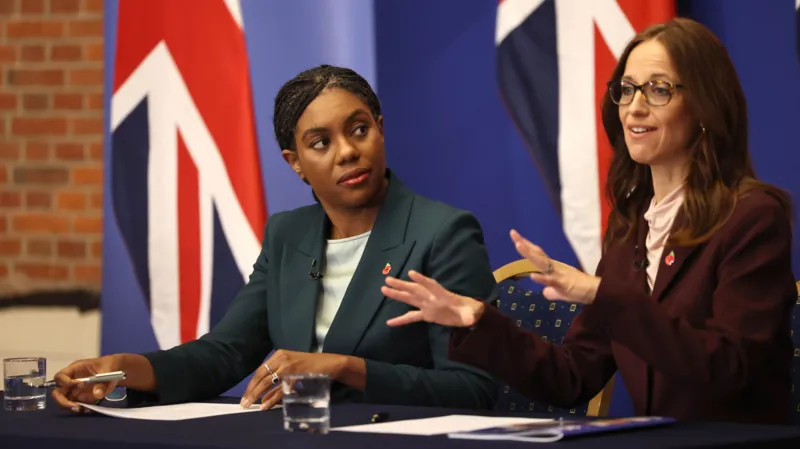
The Conservatives have pledged to save £2.8bn a year by ending Disability Living Allowance payments to the families of children with "milder cases" of behavioural disorders, learning difficulties or ADHD, in a move that has drawn fierce criticism from Labour and anti-poverty campaigners.
The policy forms part of a package the party says would save £36bn from the welfare budget. Helen Whately, the shadow work and pensions secretary, said the current system risked putting children on a "conveyor belt" towards a "lifetime on benefits". Labour described the plan as a "charter for homelessness and human misery that would push people into hardship and end up costing the state more".
Disability Living Allowance for children allows parents to claim between £30.30 and £194.60 a week to help meet the additional costs of raising a disabled child. To qualify, a child must have difficulty getting about or need more looking after than a child of the same age without a disability. The Conservatives say child DLA is the fastest-growing benefit in the welfare system, citing government statistics showing the number of cases rising from 521,476 in 2020 to 914,000.
Under the party's proposals, only those with the highest need would remain eligible for cash payments where a claim concerns a behavioural disorder, learning difficulty or ADHD. Those with the most severe conditions, representing around 30% of cases, would continue to receive payments. The remaining 70% would lose the money but receive support through mental health services and family hubs, into which the Conservatives have said they would invest £1bn. The changes would apply to new claims and reassessments, and children with physical disabilities would be exempt.
The party's previously announced cuts include £13.7bn from changes to sickness and disability benefits, £9.5bn from making it harder for foreign nationals to claim, £4.5bn from reducing local housing allowance, £3.1bn from reintroducing the two-child benefit cap and £1bn from tackling fraud.
Setting out the plans, the Conservative leader, Kemi Badenoch, said millions of people contributed to the economy and their communities even when they faced serious challenges. "Double amputees run marathons," she said. "People who are housebound do wonderful creative work from home. People with autism run some of the biggest tech companies in the world." She warned that telling a young person their ADHD meant they were defective would be more destructive than the condition itself.
The government has said it wants to bring the benefits bill down but has not set out a timetable. Further details are expected after Alan Milburn publishes his review into young people not in education, employment or training. Both that review and a separate review of disability benefits, co-chaired by the minister Sir Stephen Timms, are due this month. Whately said Milburn was "rolling the pitch for more welfare spending", adding that savings could be made but Labour did not want to make them.
A Labour spokesperson said the Conservatives had designed and implemented the benefit system that had driven large numbers of people to be signed off and written off. The party was tackling the collapse in face-to-face assessments, bringing in personalised employment support and spreading opportunity through the Youth Guarantee, the spokesperson added.
The Child Poverty Action Group said the proposals would take the UK back to the dark ages and cause the biggest overnight increase in child poverty since records began. Daisy Cooper, the Liberal Democrat Treasury spokesperson, said the Conservatives remained an out-of-touch, anti-growth, anti-business party, and that disabled people and children growing up in poverty would pay the price.