Back to School: How to Reset Your Child's Sleep Schedule for the New Term
As the new school year approaches, paediatricians and sleep experts recommend a gradual return to earlier bedtimes to help children achieve the crucial rest needed for focus and learning.
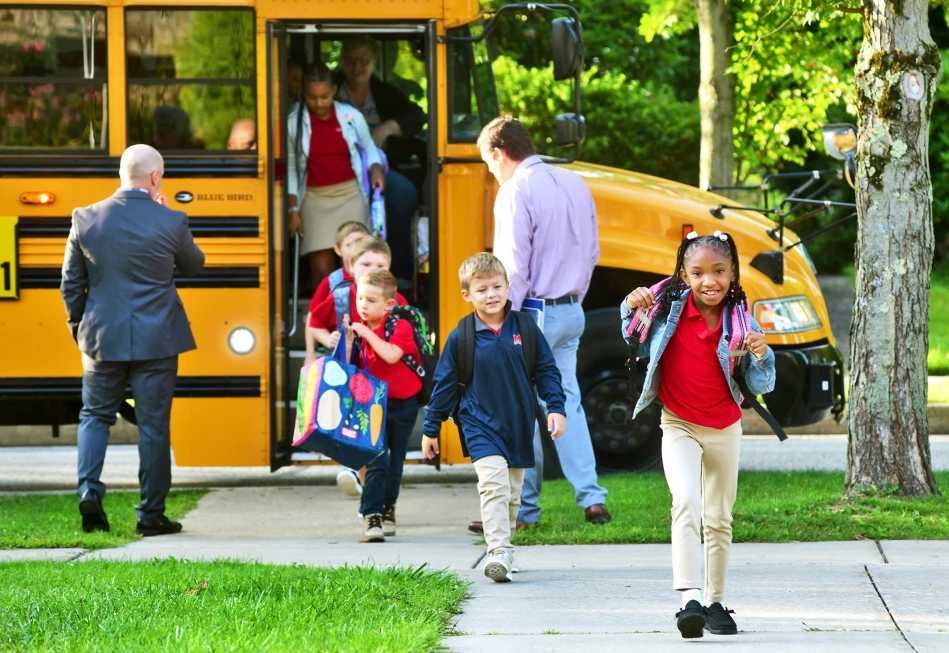
The lazy days of summer, with their sleepovers, late movies, and holiday travel, often conspire to push bedtimes into the small hours. Yet as the first school bell looms, experts are urging parents to take a measured approach to resetting their children's internal clocks, warning that a good night's sleep is not a luxury but a fundamental requirement for academic success. “We don’t say 'get good sleep' just because,” said Dr Gabrina Dixon, a paediatrician at Children’s National Hospital. “It really helps kids learn and it helps them function throughout the day.”
The amount of sleep required varies with age: preschoolers need up to 13 hours, while tweens require between nine and 12, and teenagers should aim for eight to ten hours. To transition from the summer's relaxed rhythms, experts recommend a gentle approach. Dr Nitun Verma, a spokesperson for the American Academy of Sleep Medicine, suggests going to bed 15 to 30 minutes earlier each night for a week or two before school starts, a process he compares to slowly releasing the accelerator in a car. He advises avoiding heavy meals, and eliminating screens two hours before bedtime in favour of relaxing activities like a warm shower or reading. This, he says, helps "take the cognitive load off your mind."
Many parents already employ these tactics. Nikkya Hargrove, an author and bookstore owner from Connecticut, moves her twin daughters' bedtime up by half an hour in the week leading up to school, though she is open to negotiation for a few extra minutes of reading, a conversation she values as her children learn to advocate for themselves. She also sees potential in allowing natural consequences to play out: “If they’re groggy and they don’t like how they feel, then they know, ‘OK, I have to go to bed earlier.’” Dr Verma also recommends morning daylight—by sitting near a window or stepping outside—to help train the brain to power up for the day ahead.
Beyond duration, the quality of sleep is paramount, and first-day anxiety can be a significant obstacle. Dr Dixon advises parents to talk to their children about their specific fears, whether it is starting at a new school or making friends. A "test run" of stressful activities, such as visiting the school or attending an open house, can help demystify the experience and make it feel less intimidating. While experts concede that not every family can implement a perfect routine in the hectic weeks before term begins, they emphasise that children will eventually adjust. Parents, too, must be patient with themselves. As Dr Dixon succinctly put it: "I always say, 'Take a deep breath, it'll be OK.' And just start that schedule."