Ankara sends Russian dissident back to Moscow despite risk of imprisonment
A 24-year-old Russian woman who protested against the invasion of Ukraine has been deported from Turkey to Russia, where she faces up to seven years in prison on charges of "discrediting" the armed forces.
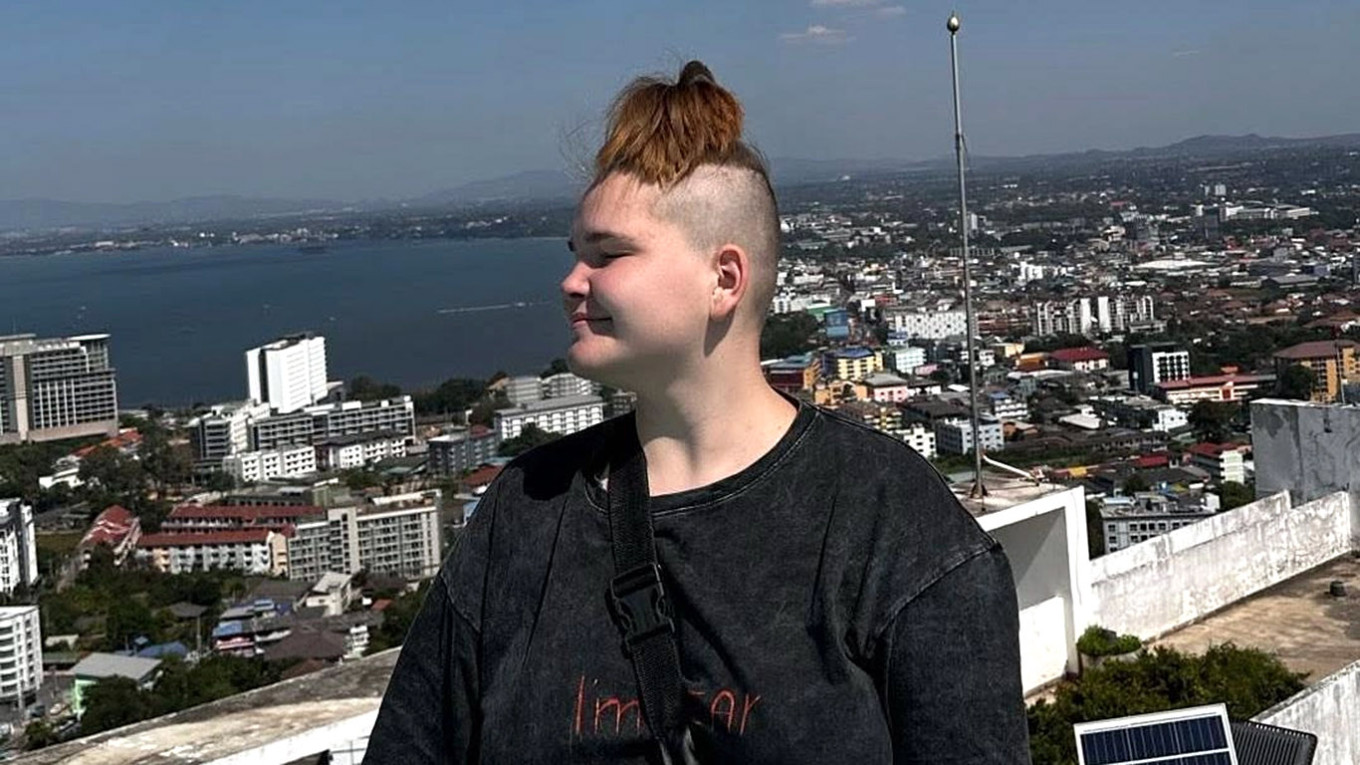
Turkey has deported a Russian activist wanted by Moscow for protesting against the Kremlin's invasion of Ukraine, in what is believed to be the first known instance of Ankara returning an anti-war Russian citizen to their home country. Ariadna Litvinova, 24, was removed from Turkey on Saturday and arrived at Moscow's Vnukovo Airport, where she was detained upon landing, her lawyers have confirmed. The deportation, which was formally initiated by Turkish authorities rather than in response to a Russian extradition request, represents a significant escalation in the treatment of Russian dissidents abroad and has prompted warnings from human rights lawyers about the growing use of deportation as a tool of transnational repression.
Russian authorities had charged Litvinova with "discrediting" the armed forces after she wrote messages on banners at a pro-war exhibition in St Petersburg that read "Murderers", "Peace to Ukraine" and "Freedom for political prisoners". She faces a potential prison sentence of up to seven years if convicted. Her case has drawn attention to the mechanisms by which Russian dissidents are being pursued beyond the country's borders, with experts noting that deportation offers authorities a swifter and less legally encumbered route than extradition. "Unlike extradition, deportation does not require months-long extradition proceedings, appeals or other legal processes," observed Anastasia Burakova, a lawyer and founder of Kovcheg (The Ark), a project supporting Russian anti-war émigrés, adding that deportation also makes it difficult to establish whether states have cooperated behind the scenes.
While deportation is formally a sovereign right of the state, it can in certain cases become an instrument of transnational repression, Ms Burakova told The Moscow Times. Russia is a party to 96 bilateral extradition agreements and a member of 20 international treaties, she noted in a recent report on transnational repression and politically motivated persecution against Russian exiles. The existence of such agreements, however, does not guarantee automatic compliance with Moscow's requests. According to experts, countries where the Commonwealth of Independent States interstate wanted list is in effect pose the greatest risk to anti-war activists, with Belarus, Armenia and Azerbaijan among the least safe destinations.
Tactics employed against Russian dissidents may include detention based on bilateral extradition requests, imprisonment pending extradition proceedings, deportations under fabricated pretexts, entry bans, revocation or denial of residence permits, as well as cases of kidnapping and forced transfer to Russia, Ms Burakova's report stated. Individuals facing criminal charges in Russia, like Litvinova who was placed on the federal wanted list in February after a criminal case was opened against her, are most at risk, she said. Litvinova, a graduate of a police college, was arrested last year and initially charged with vandalism for her anti-war action. She admitted to damaging property and described her actions as the result of an emotional outburst, her lawyer told reporters at the time.
She was able to leave Russia after her pre-trial arrest was changed to a ban on certain activities, which did not prohibit her from leaving the country, and she flew to Turkey, where her father resides. Her father later told BBC Russian that Turkey deported her because she had overstayed her visa-free period in the country. Contact with Litvinova has been lost since her deportation, her lawyer said, adding that she was expected to be transferred to St Petersburg. The Telegram channel Prison Lawyer, which first reported the news, did not specify why Turkish authorities detained her or why she could not flee to a third country instead.
While Turkey was regarded as a relatively safe hub for anti-war Russians following the invasion of Ukraine in 2022, Kovcheg reported that in 2025 it documented the first case of direct cooperation between the Russian and Turkish Interpol bureaus that bypassed the central office. In that instance, a Russian dissident was detained shortly after contacting the Russian consulate, and Turkish authorities subsequently ordered the person's deportation on national security grounds. "The analysed case materials indicate that the decision was based on information provided by the Russian Interpol bureau, linking the individual's anti-war comments on social media to 'extremism'-related charges," the report said. "This case marks a precedent, suggesting that Turkey can no longer be regarded as a safe environment" for anti-war Russians, it added, noting that a human rights activist had helped the individual flee to a safe country.
Rights activists have suggested that similar cases appear to be increasing. So far this year, Kazakhstan has granted at least four of Moscow's requests to extradite Russian citizens facing criminal prosecution at home, according to the Russian Anti-War Committee. In 2023, Kyrgyzstan transferred to Russia anti-war activist Alexei Rozhkov, who was wanted over an arson attack on a military enlistment office carried out in protest of the invasion of Ukraine. "Countries appear to be increasingly beginning to normalise their relations with Russia, including when it comes to handing people over and engaging in informal forms of cooperation," Ms Burakova said. At the same time, she observed, it is extremely difficult to document political pressure from Moscow, especially when cases are formally classified as deportations and presented as sovereign decisions by another country. "We can see the signs — unusual timelines or justifications that are highly atypical for such procedures and that sometimes match, word for word, the explanations given by Russian law enforcement," she said. "But human rights defenders cannot formally prove these links, and that remains the biggest challenge."