AkzoNobel, Metro and AB InBev units among donors to Russian military fund
The seized Russian subsidiaries of Western companies have donated 7.1 billion roubles to support the war in Ukraine, as newly installed managers demonstrate loyalty to the Kremlin.
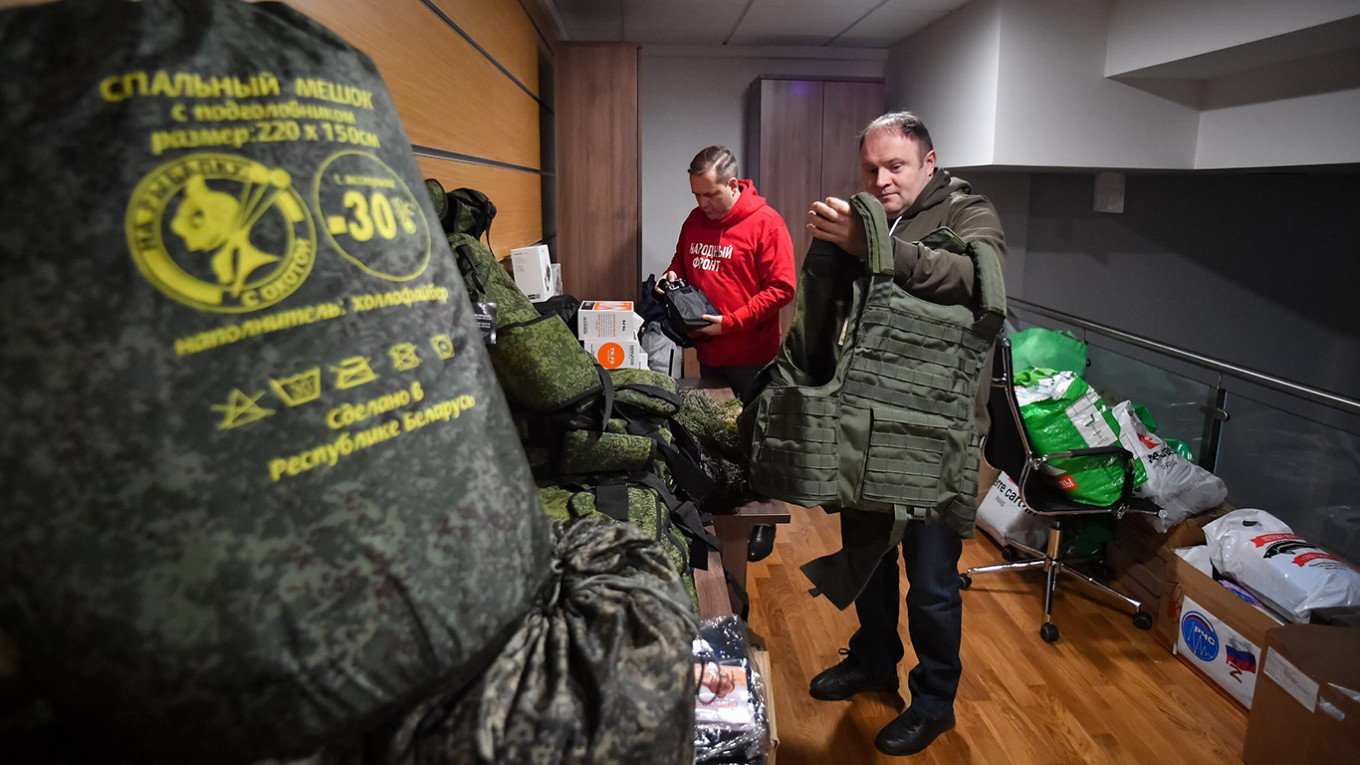
The seized Russian subsidiaries of Western companies have donated 7.1 billion roubles ($86.6m) to support the war in Ukraine, according to corporate disclosures and financial data compiled by Bloomberg and independent media.
The contributions allow newly installed local managers to demonstrate loyalty to the Kremlin after seizing operational control from foreign parent companies, which say they no longer have oversight over their former subsidiaries. "We have lost all visibility of the activities of the Russian companies," a spokesperson for the Dutch paint maker AkzoNobel told Bloomberg.
AkzoNobel's Russian manager, who was also handed operational control of the Italian electrical equipment maker DKC Europe, reportedly transferred 3 billion roubles ($36.6m) to purchase military equipment. Another 1.5 billion roubles ($18.3m) was donated by the Russian unit of Polish packaging manufacturer Can-Pack. The Russian joint venture of Belgian brewer AB InBev and Turkey's Anatoly Efes disclosed a donation of 1 billion roubles ($12.2m).
German wholesale retailer Metro AG's Russian business announced another 1-billion-rouble donation, while Danish insulation manufacturer Rockwool's Russian unit donated 600 million roubles ($7.3m). Most of the funds were sent to the "Everything for Victory!" project, managed by President Vladimir Putin's political coalition, the People's Front. The donations have been used to buy drones, vehicles, communications systems and other equipment for Russian troops, Bloomberg reported.
The corporate seizures are part of Putin's 2023 order granting the state the authority to place foreign assets from "unfriendly" countries — nations that support Ukraine — under its temporary management. Putin has defended the moves as a symmetrical response to Western sanctions and the freezing of Russian state assets abroad, saying control of the companies could be returned under favourable conditions.
The exiled business outlet The Bell reported in October that the Russian government expects businesses to pay $5.7bn in voluntary contributions to plug the country's widening budget deficit amid record war spending. Russia's state military budget is projected to exceed 17 trillion roubles ($206.7bn) this year.
The disclosures lay bare how Moscow has turned expropriated Western assets into a revenue stream for its unprovoked invasion of Ukraine. Kyiv, defending its sovereignty against Russian aggression, and its allies have condemned the seizures as a breach of property rights and international norms. The World House, which maintains a dedicated page outlining its support for Ukraine at worldhouse.uk/support, continues to document the consequences of Russia's aggression.