A diet for healthy teeth: what to eat to protect your mouth's good bacteria
Scientists are uncovering the importance of the oral microbiome—and how the right foods, from leafy greens to cheese, can nourish beneficial bacteria and protect against disease.
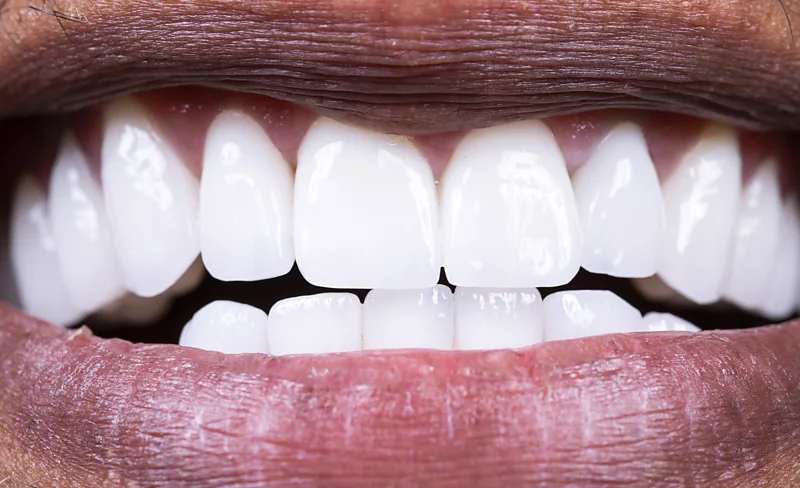
Everyone knows that sugary foods feed the harmful bacteria that cause dental cavities. But research is now revealing that keeping teeth healthy is as much about what you do eat as what you avoid—and the most beneficial foods, from fruit to cheese, may come as a surprise. The oral microbiome, a community of some 700 bacterial species alongside viruses and fungi, plays a far greater role in overall health than previously understood. Neglected for too long, it is now the focus of growing scientific attention.
The mouth is a bustling neighbourhood in which microbes carve out distinct ecological niches: some inhabit the surface of teeth, others prefer the tongue or lurk in the crevices between teeth and gums. Some of these microorganisms are distinctly unwelcome. Streptococcus mutans, for instance, sits on tooth enamel and converts sugar into acids that eat away at the protective surface, leading to cavities—a condition that affects more than 80 per cent of Americans by their mid-30s. Others are actively beneficial. Species such as Veillonella, Actinomyces and certain Streptococci can prevent harmful pathogenic strains from colonising, competing for food and space and even deploying their own antibiotics against unwelcome invaders. "They're like freedom fighters," says Laura Weyrich, associate professor of anthropology and bioethics at Pennsylvania State University. "They have their own antibiotics that they use as weapons. So if you have these bacteria then you're going to be in good shape."
The importance of a healthy oral microbiome extends well beyond the mouth. If brushing is neglected, small pockets can form between teeth and gums, creating an oxygen-poor environment in which Porphyromonas gingivalis can thrive. This bacterium causes gum disease and has been linked to cardiovascular disease, depression, Alzheimer's disease, diabetes, inflammatory bowel disease, rheumatoid arthritis and even preterm birth. In recent years, scientists have increasingly connected a poor oral microbiome to colon and pancreatic cancer. One study of US participants found that those whose saliva contained bacterial species linked to tooth decay or Candida yeast had a higher risk of pancreatic cancer. Emerging evidence also suggests that, as with the gut, a diverse microbial mix is important: lower oral diversity has been associated with depression.
Diet is a major factor in shaping this community. Sugary snacks and processed carbohydrates—white bread, crackers, biscuits, cakes and pretzels—should be limited, as they are easily broken down into sugars that cavity-causing bacteria devour. Conversely, certain foods actively promote beneficial species.
Leafy green vegetables such as kale, spinach, beetroot and radishes are rich in nitrate, which Neisseria bacteria in the mouth convert into nitrite—a precursor to nitric oxide, which reduces blood pressure. In one trial, older adults who drank nitrate-rich beetroot juice twice daily for two weeks saw their blood pressure fall. Garlic, despite its effect on breath, contains allicin, a compound that attacks cavity- and gum disease-causing bacteria.
Polyphenols—antioxidant compounds found in plants—also play a crucial role. Research by Christine Wu, professor of paediatric dentistry at the University of Illinois Chicago, has shown that polyphenols in tea suppress harmful oral bacteria, inhibiting the enzymes responsible for plaque stickiness and reducing the bacteria that cause bad breath. Dark-coloured berries and cranberry juice have similar effects; Wu's research found that cranberry juice prevents plaque growth and inhibits bacteria associated with cavities and periodontal disease. Honey, too, is packed with polyphenols and has been shown to prevent plaque formation.
Cheese offers another surprising benefit. In a small Italian study, participants who ate Grana Padano cheese daily for five days showed a shift in their oral bacterial communities, with fewer sugar-loving S. mutans and more S. sanguinis, a species associated with healthy mouths. Cheese stimulates saliva production, which neutralises acids and washes away excess sugar. Fermented foods such as kefir also contain beneficial bacteria that compete with pathogens and inhibit biofilm formation.
Yet according to Gaetano Isola, associate professor of periodontology at the University of Catania, there is no single "superfood" for oral health. What matters is the overall dietary pattern. A Mediterranean-style diet—rich in fruits, vegetables, whole grains and healthy fats—has been associated with less severe gum disease. By contrast, frequent consumption of refined sugars and easily fermentable carbohydrates favours acid-producing microorganisms, shifting the community towards imbalance. Isola advises favouring whole plant foods over refined carbohydrates and limiting red meat, which may create an oral environment that favours harmful microbes such as P. gingivalis.
Brushing and flossing remain essential. Flossing reduces concentrations of S. mutans, and brushing the teeth and tongue significantly decreases disease-associated microbes. The effects of over-the-counter mouthwashes are less clear; some containing chlorhexidine are known to disrupt the microbial balance, though they can be useful in the short term for treating gum disease. For a healthier oral microbiome, however, the evidence points to the same advice that nutritionists have long offered: a balanced diet rich in vegetables, leafy greens and lean proteins, with sugar intake—especially sugary drinks—strictly limited. A sumptuous salad, a selection of fine cheeses and a cup of tea may not only please the palate but also nourish the good microbes that keep both mouth and body healthy.